






Next-Gen AR Glasses: Capabilities and Future Expectations
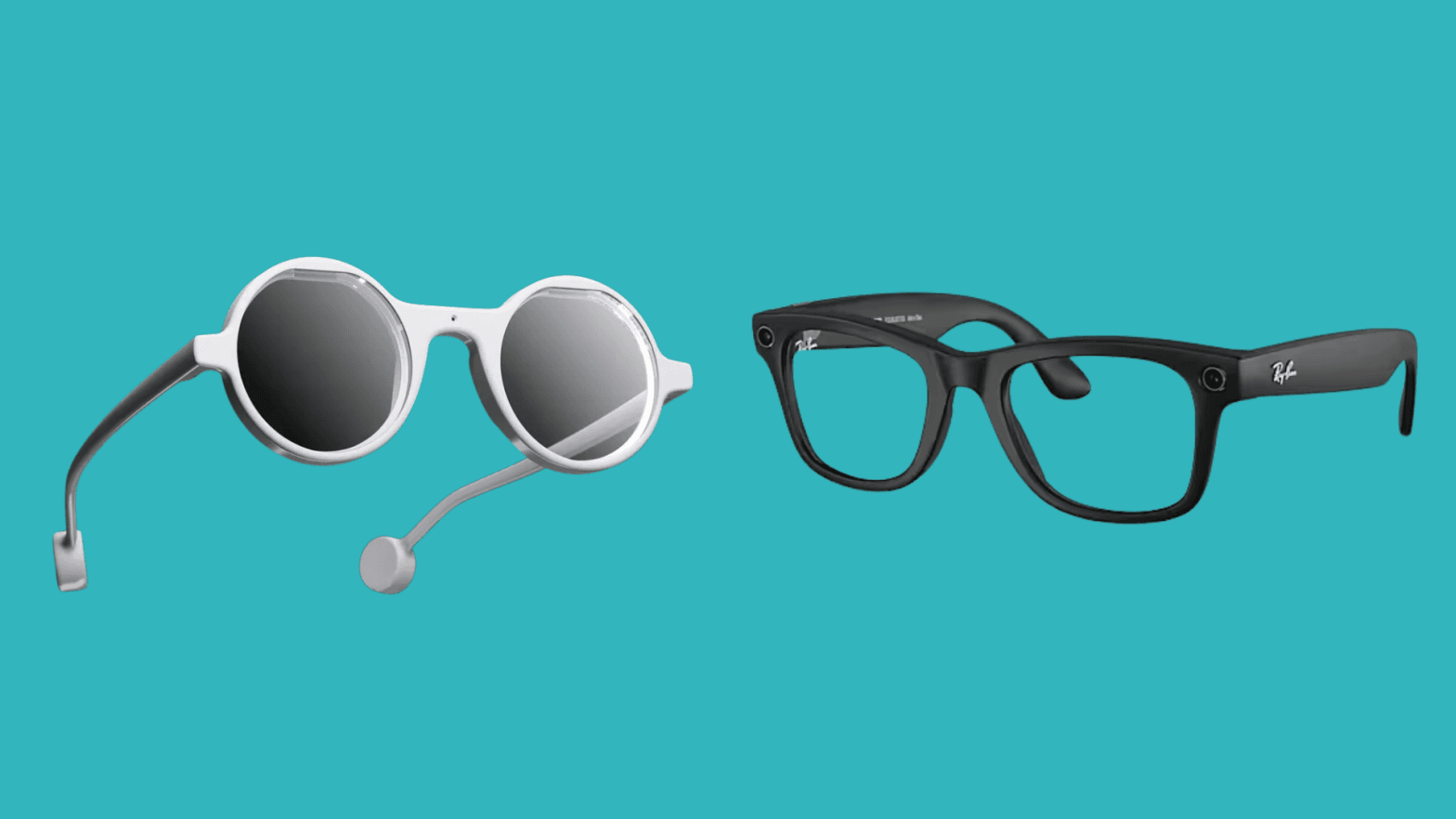
When smart glasses are talked about, Meta's Ray-Bans are often at the forefront, though this will likely change as Meta starts to receive more competition, especially from Google.
Meta's Ray-Ban AI Glasses
Currently, Meta's Ray-Ban is capable of:
- Translation: This includes live translation (i.e., the glasses audibly translate what someone is saying right in front of you).
- Object Identification: Identifying and providing information on objects prompted by a question. In other words, while looking at exotic fruits, you can ask Meta AI about the name of a fruit or how to tell when it's ripe, and it will identify the fruit, search for relevant information, and provide you with an audible answer.
- Video Recording and Image Capture: Take pictures and videos on command.
- Voice Controls: Control device features as well as limited phone features like calling, texting, and media-related settings.
The next generation is set to come out in 2026 with significant improvements in battery life and more helpful features like reminding you to bring your keys if you leave the house without them and possibly facial recognition technology which (this is only speculation) could theoretically make the childhood dream of taking photos by blinking your eyes come true.
Meta's end goal is to build a "super sensing" wearable that is just as capable as a personal assistant, if not more so.
In 2025, Meta also released the Oakley Meta glasses aimed at enterprise and outdoor use. These glasses offer better battery life, louder speakers, and improved voice input.
Google's AI Glasses
Google's up-and-coming smart glasses have similar capabilities to Meta's but with some notable distinctions:
- Android XR: An Android platform built for mixed and augmented reality products.
- Gemini: Google's own AI.
- Integrated Screen: Unlike Meta's current glasses, Google's will have a screen integrated in that allows for visual consumption of information. In other words, users can see a live translation versus hearing it (the latter is an option as well). This also allows for a number of perks like being able to see a preview of a picture when it is taken, which is not possible on Meta's.
Google is partnering with Warby Parker to design these glasses, offering a more premium, fashion-forward look than past Google Glass attempts. Expected in late 2025, these glasses are built for professionals and enterprise users alike.
Alibaba's Quark AI Glasses
One of the biggest surprise entries in 2025 has been Alibaba's Quark AI Glasses, powered by their Qwen AI assistant. These smart glasses include live translation, real-time meeting transcription, product recognition, and integration with Alipay and Taobao.
The design is minimalist and suited for daily business use, making it especially popular in China and parts of Southeast Asia. Enterprise adoption is rising fast in logistics, customer service, and education sectors.
Notable Mentions
Samsung's Project Moohan is basically the Android version of the Apple Vision Pro, but it is much lighter and will likely be more affordable when it is released before the end of 2025.
Apple is planning to launch its own version of Meta's Ray-Bans and Google's AI Glasses with similar features but with the "Apple premium touch."
Leaks suggest the upcoming Apple Smart Glasses will be compatible with Apple VisionOS and include ultra-secure data processing, iMessage integration, and exclusive AI Siri enhancements. Expect an announcement by early 2026.
Final Thoughts
Other than Meta's Ray-Bans, these devices are not yet ready for mass rollout but are something to look forward to as a new era of wearable smart tech enters the picture. A hands-free, extremely knowledgeable, and useful personal assistant is the aim and is already a reality on a smaller scale. The race is on, and with Alibaba, Apple, Google, and Meta competing, smart glasses are no longer just a niche gadget, they're shaping up to be the next smartphone.
Want to see how these next-gen features stack up against what you can buy today? VR Expert AI stocks the leading AI glasses for business and supports pilots and rollouts across the EU and US.