
Fleet Enrolment
Bulk-enrol and configure hundreds of devices without handling each one.
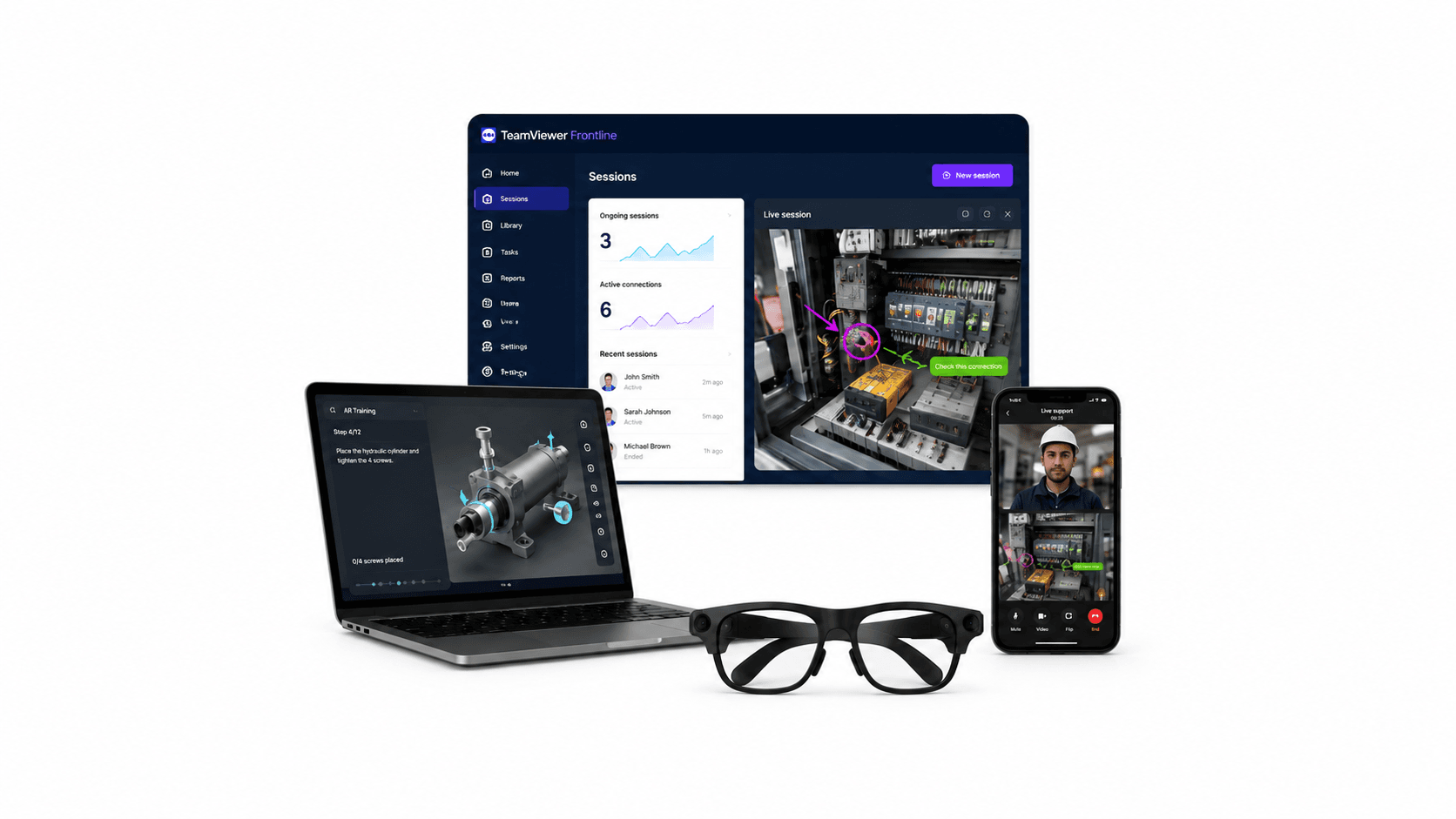
Device management software enrols, configures and updates a fleet of XR devices remotely. Compare ArborXR and ManageXR for app deployment, kiosk mode and fleet visibility, alongside remote support and the rest of our software range.
Fleet Enrolment
Bulk-enrol and configure hundreds of devices without handling each one.
App Deployment
Push apps, updates and files to every device remotely and verify install status.
Kiosk Mode
Lock a device to a single app so users stay on task and cannot tamper.
Fleet Visibility
See battery, connectivity and usage across every site from one console.
One headset is a device. Fifty are a fleet, and a fleet needs bulk enrolment, consistent configuration, remote app distribution and a way to see what is actually running on each unit. ArborXR and ManageXR are the two established platforms for this, both purpose-built for XR rather than adapted from a phone MDM, which is where most generic tools fall down.
The day-to-day value is mundane and significant: push an app update to every device overnight, lock a unit to a single app with kiosk mode so users cannot wander off task, check battery and connectivity across sites, and re-provision a device without shipping it back. ArborXR is ISO 27001 and SOC 2 Type 2 certified, which is usually the first question a security team asks.
Device management is worth planning before the hardware lands, not after. Enrolment method, app catalogue, kiosk policy and who holds admin rights are far cheaper to decide up front than to retrofit across a deployed fleet. It pairs naturally with remote support, which covers the human side once a device is in a worker's hands.
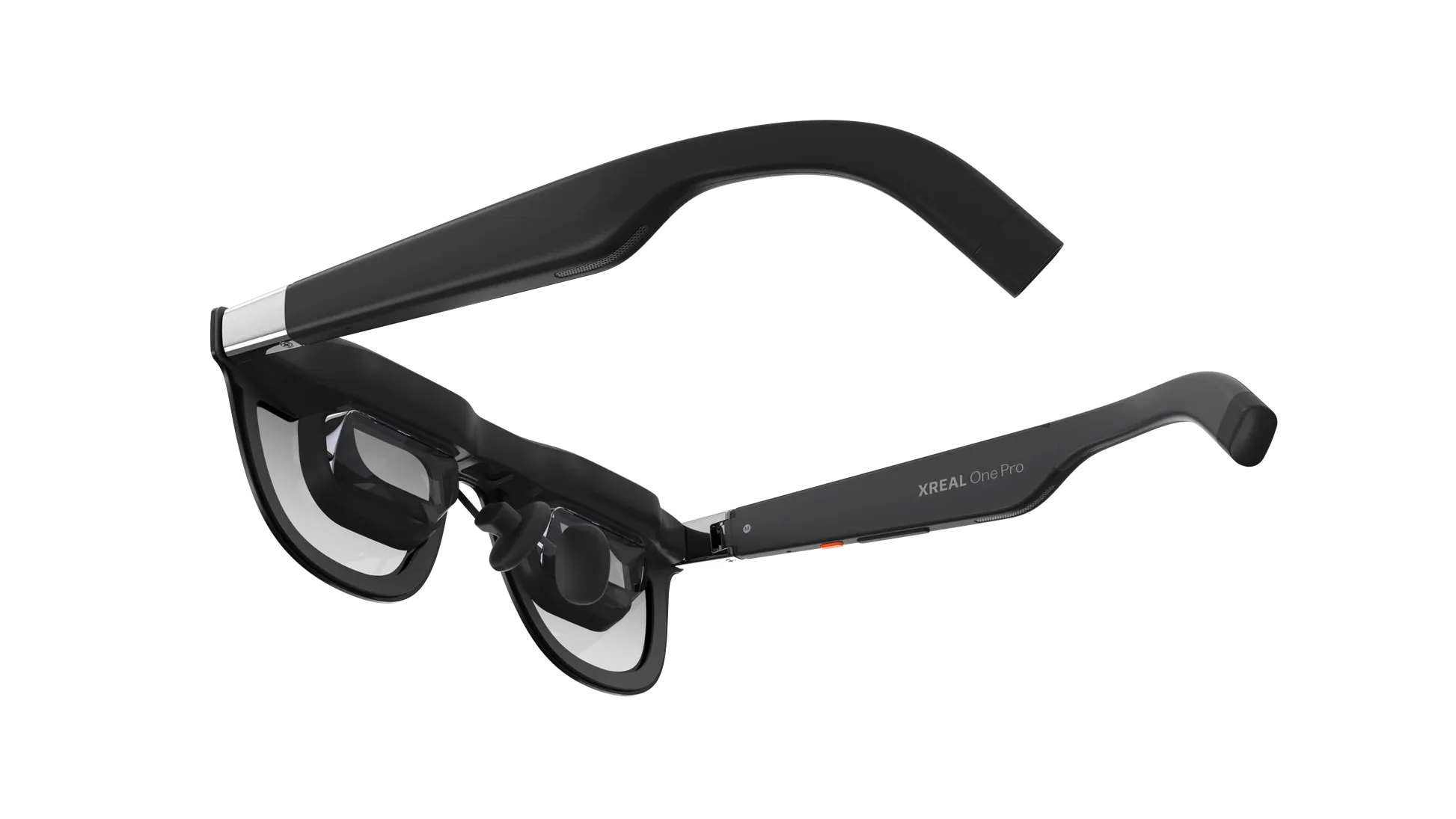
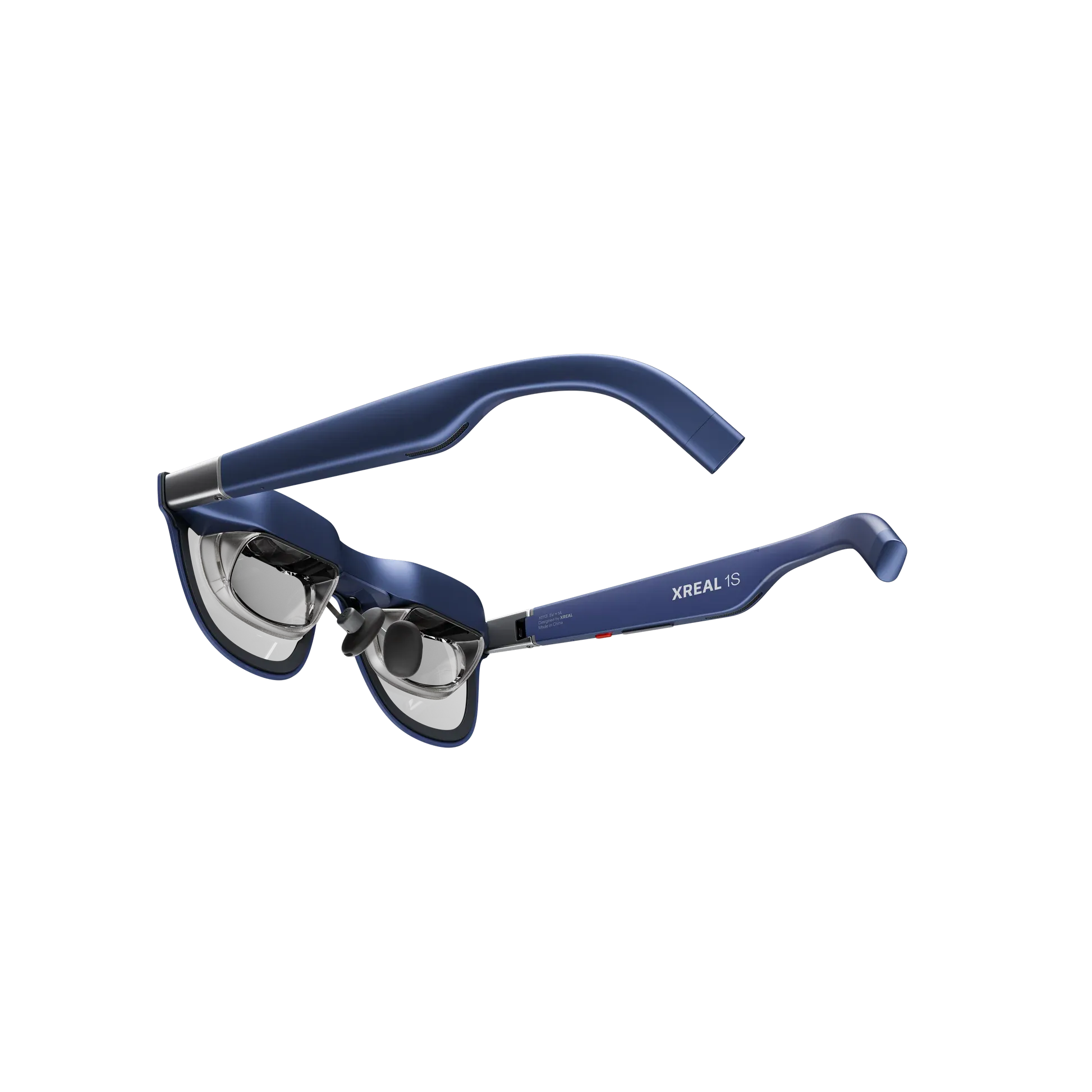
One scope note worth raising early: ArborXR and ManageXR currently target VR and AR headsets, and ManageXR lists smart glasses support as coming. If you are deploying smart glasses or AI glasses, ask us which devices are supported today and which need a standard Android MDM instead. We confirm compatibility before quoting.
Device management software is the console an administrator uses to enrol, configure, update and monitor a fleet of XR devices without physically handling each one. It covers bulk enrolment, app and file distribution, device settings, kiosk policies and fleet reporting.
Standard mobile device management was built for phones and laptops and tends to handle headsets poorly, missing app sideloading, in-headset launchers and XR-specific settings. ArborXR and ManageXR are purpose-built for XR devices, which is why organisations running a headset fleet usually end up on one of them rather than extending an existing phone MDM.
Kiosk mode locks a device to a single app or a controlled set of apps, so a user cannot leave the intended experience, change settings or access the store. For training, demos and shared-device deployments it removes most of the support burden and keeps every session consistent.
Yes. Both platforms host your apps and files centrally and push them to selected devices or groups, then report install status so you can confirm every unit actually received the update. This replaces cable-by-cable sideloading, which is the single biggest time cost in a growing fleet.
The decision usually comes down to your device mix, your security review and how much control you need over the in-headset experience. Both cover the core fleet tasks well. We can run a demo of each against your actual devices and deployment plan rather than a generic feature comparison.
ArborXR publishes ISO 27001 and SOC 2 Type 2 certification, and both platforms are built for enterprise deployment with admin roles and permissions. Send us your security questionnaire and we will route it to the vendor rather than answering on their behalf.
ArborXR is an enterprise XR device management platform used to enrol and configure AR and VR devices, deploy apps and content remotely, control the in-headset experience through its Home launcher and kiosk mode, and track usage. It states ISO 27001 and SOC 2 Type 2 certification and is a Qualcomm preferred MDM.
ManageXR is an XR device management platform for deploying, monitoring and controlling VR and AR devices at scale, covering remote content distribution, device settings and enterprise security. Its supported device list currently centres on Meta, Pico and HTC headsets.
Not universally, and this is worth checking before you buy. ArborXR and ManageXR are built around VR and AR headsets, and ManageXR currently lists smart glasses support as coming rather than available. Several enterprise smart glasses run standard Android and can be managed with a conventional MDM instead. Ask us to confirm compatibility for your specific devices.
Supported device lists change often and are maintained by each vendor. ArborXR lists support across Meta, HTC VIVE, PICO, Magic Leap, DPVR, Apple and Samsung devices; ManageXR centres on Meta, Pico and HTC. We check the current list against your hardware before quoting.
Both platforms are licensed per managed device on an annual term, so the number of units in your fleet is the first figure to settle. Tell us your device count and expected growth and we will quote accordingly.
Yes. Buying licences and devices together means one quote and one point of contact, and devices can arrive already enrolled and configured to your policy. Request a quote with your device count and use case, or book a demo to see the console running against your own deployment plan.