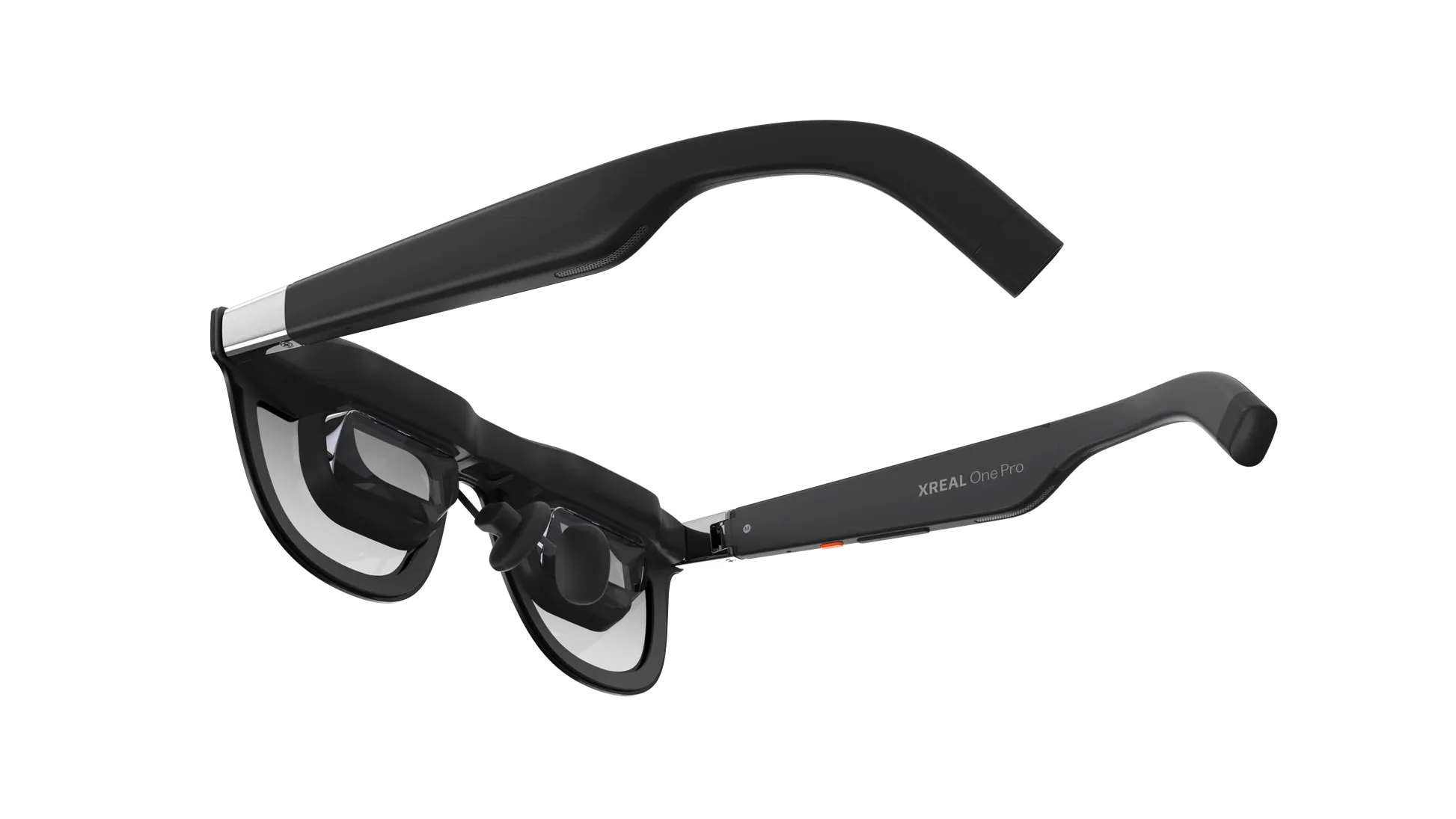
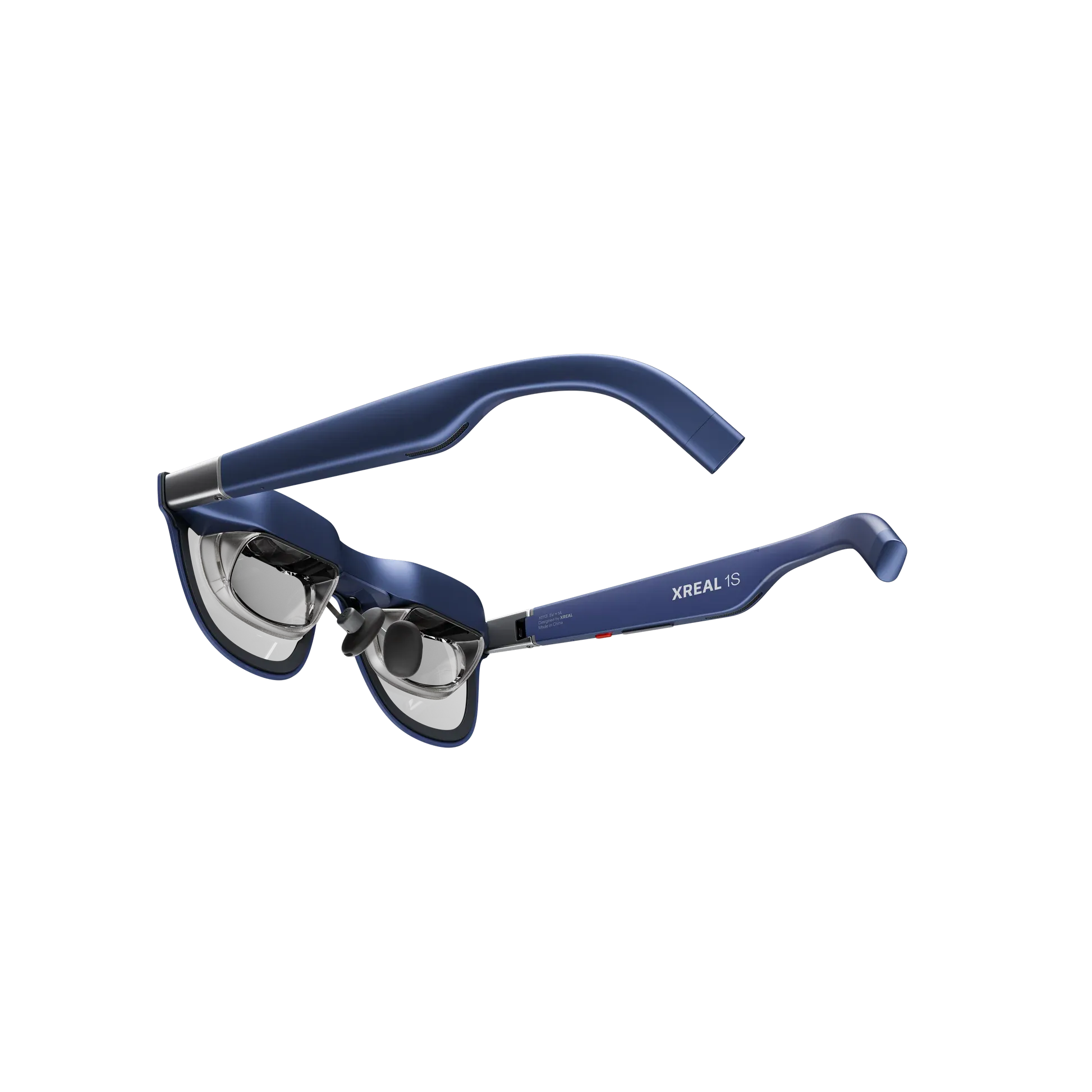
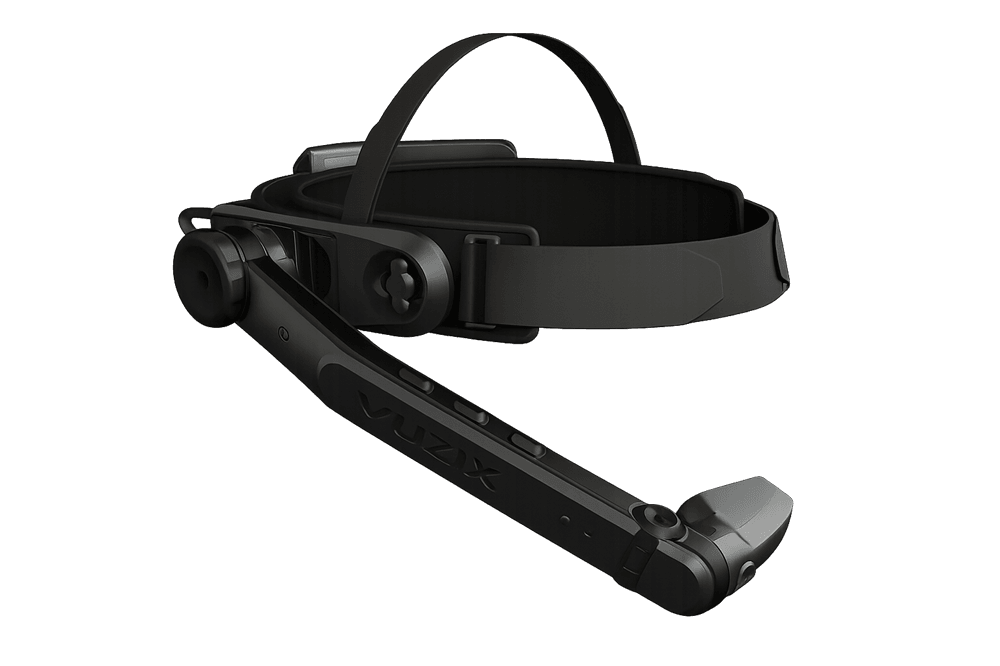
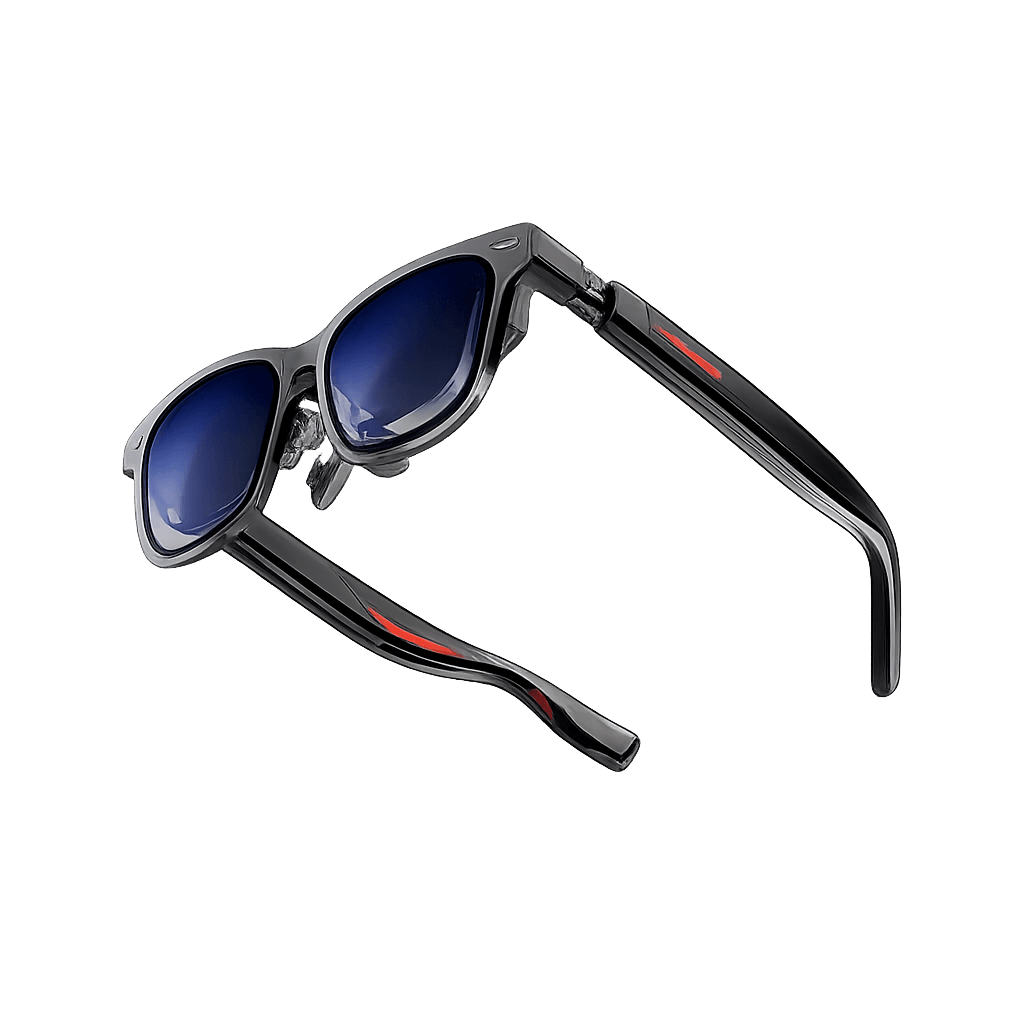








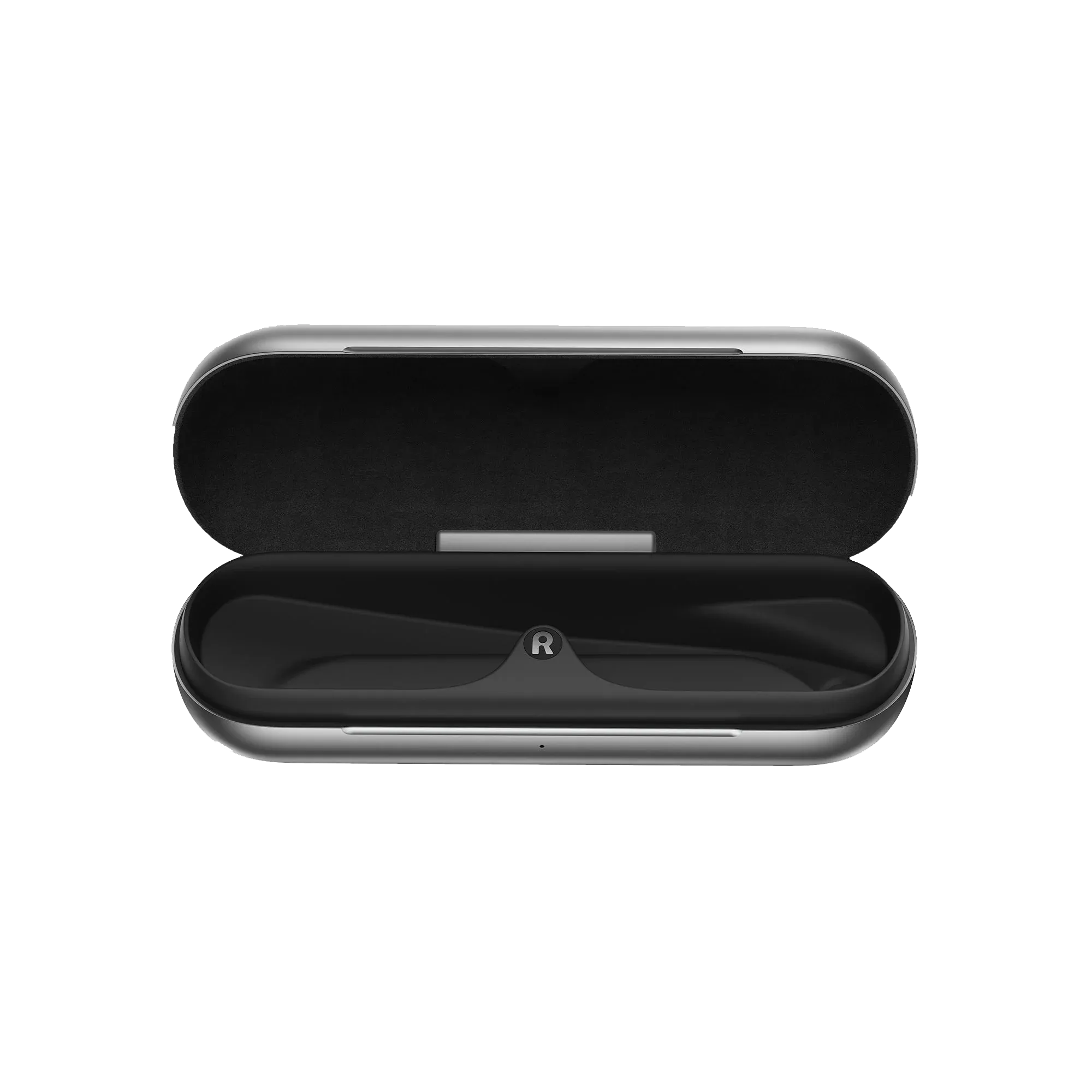
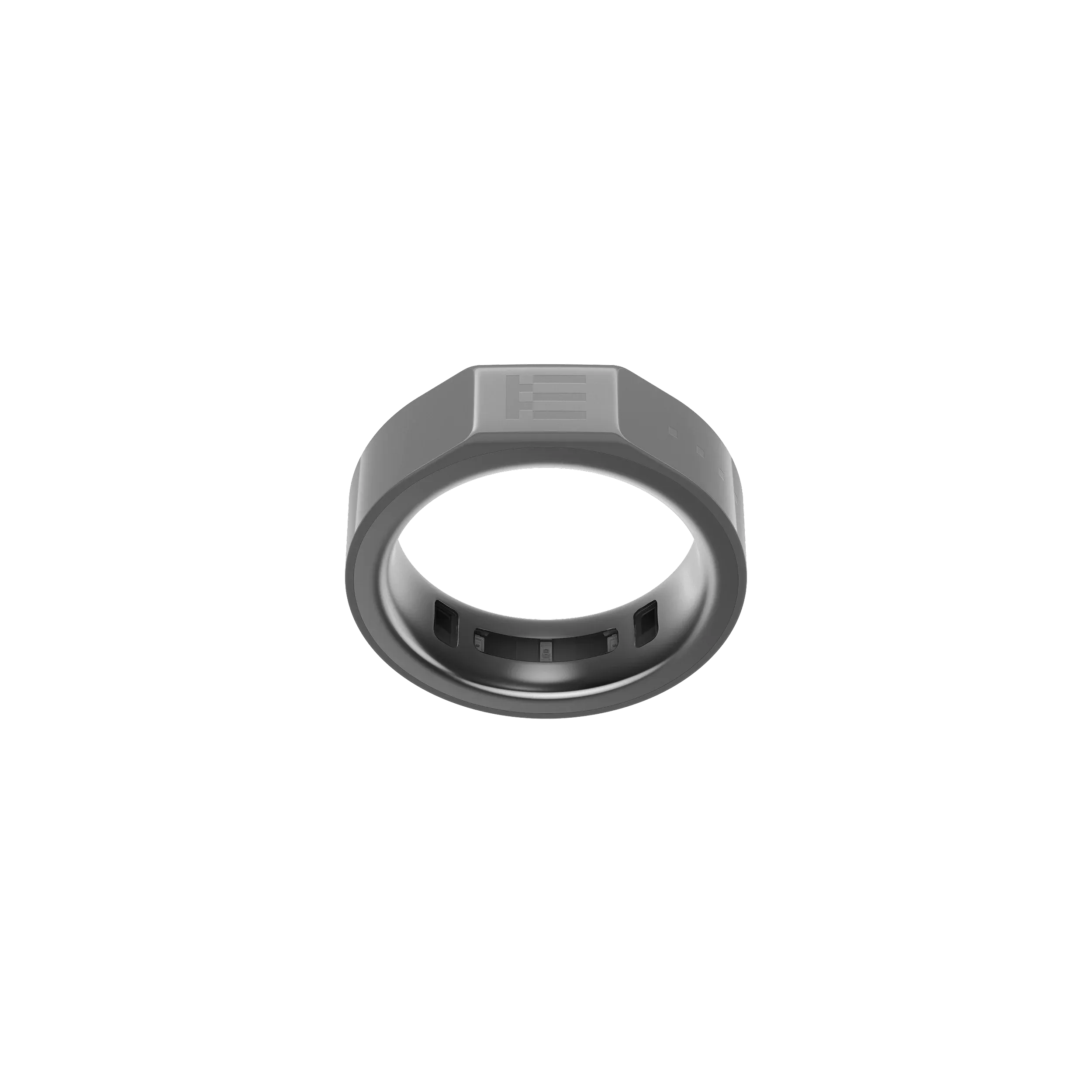
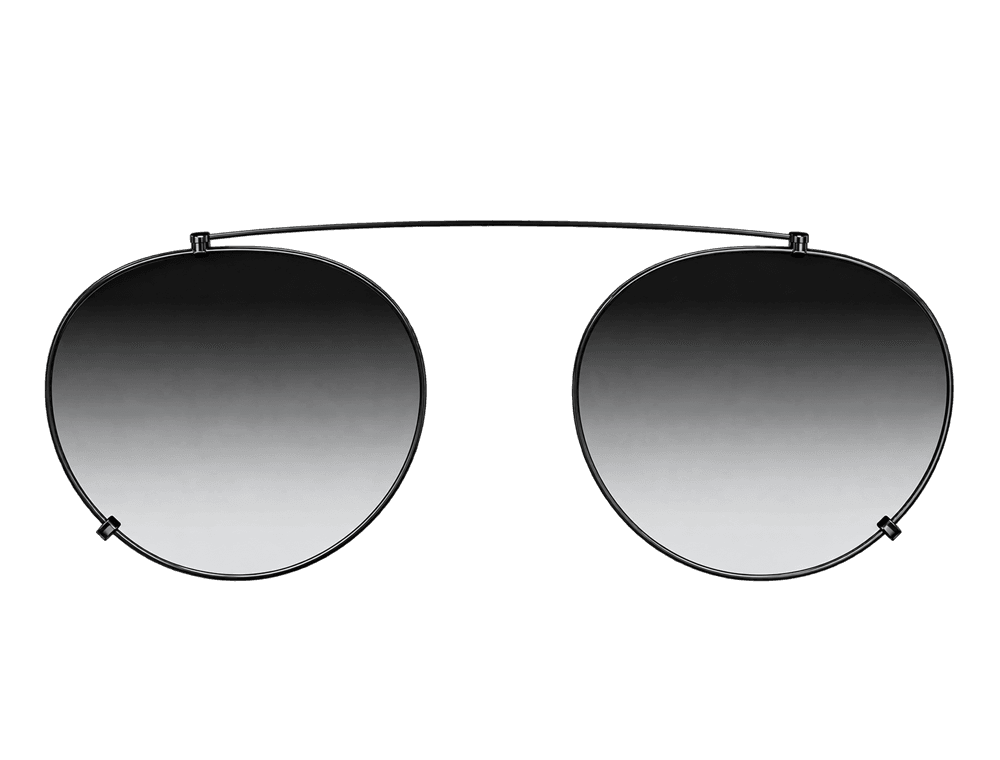
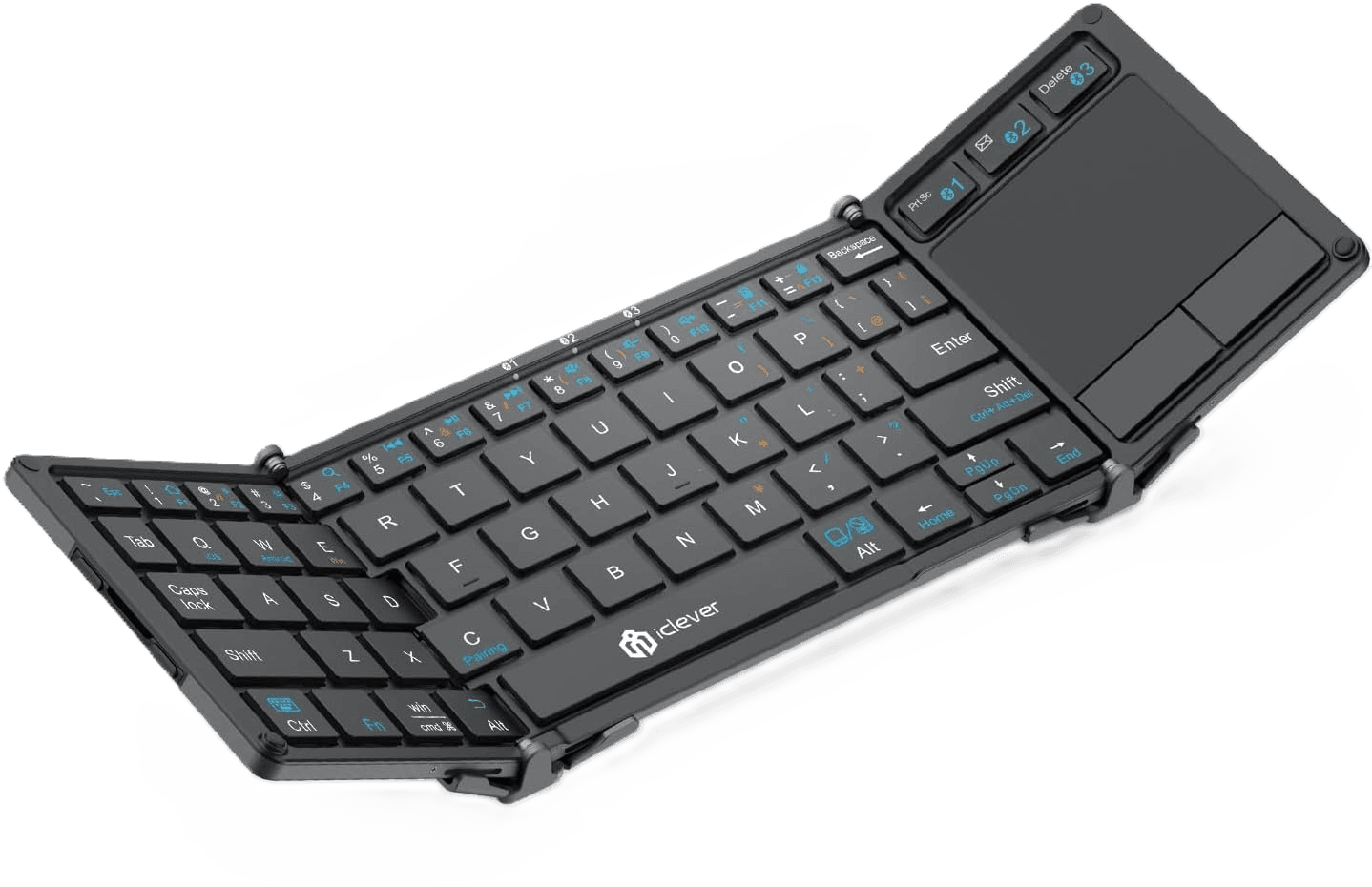
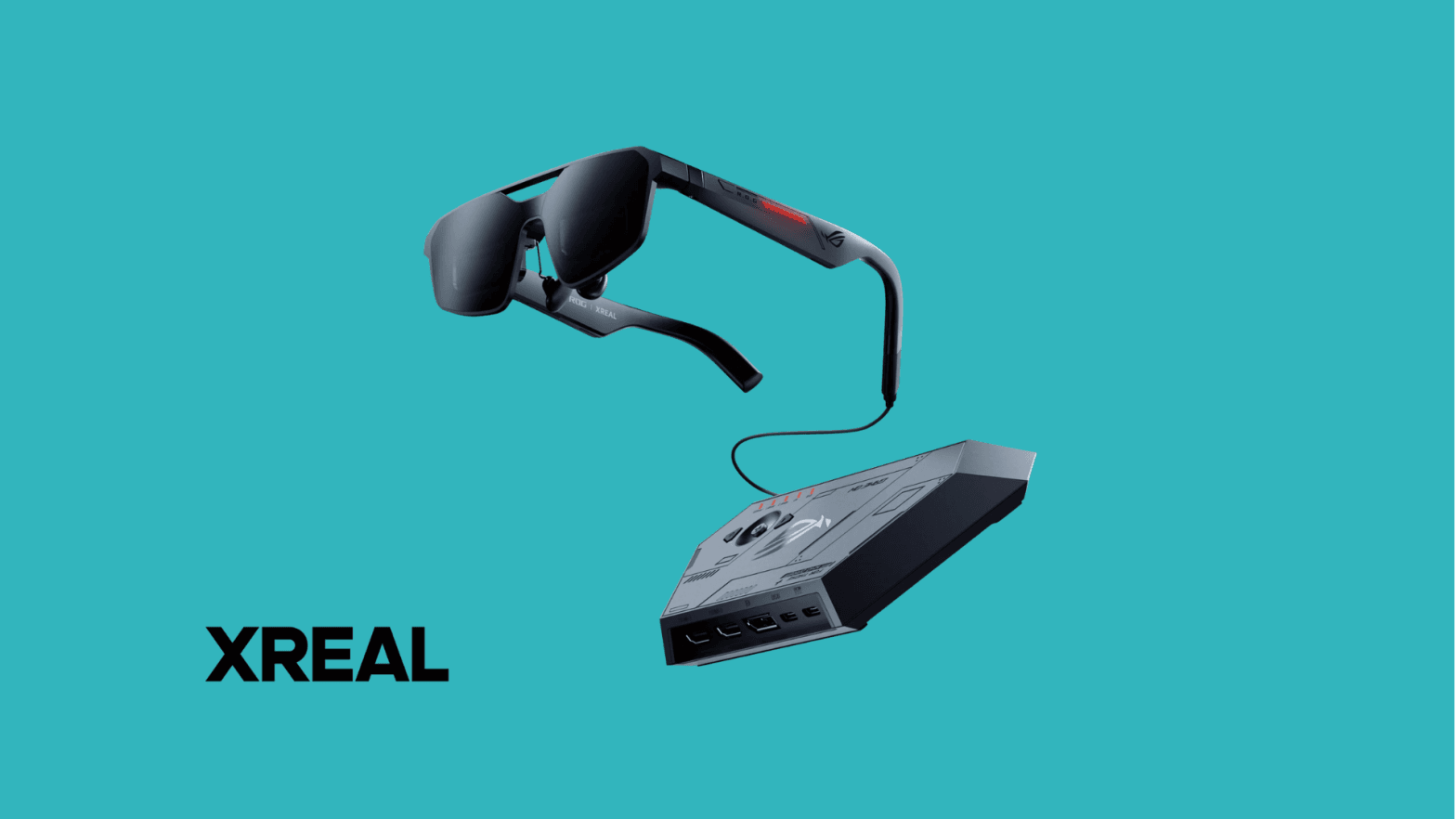
ROG XREAL R1 specifications
Specification | Value
Refresh rate | 240Hz
Response time | 0.01ms
Display type | Micro-OLED
Resolution | Full HD per eye
Peak brightness | 700 nits
Color gamut | 107% sRGB
Virtual display size | 171-inch
Field of view | 57°
Spatial tracking | 3DoF + 6DoF supported
Audio | Bose tuned
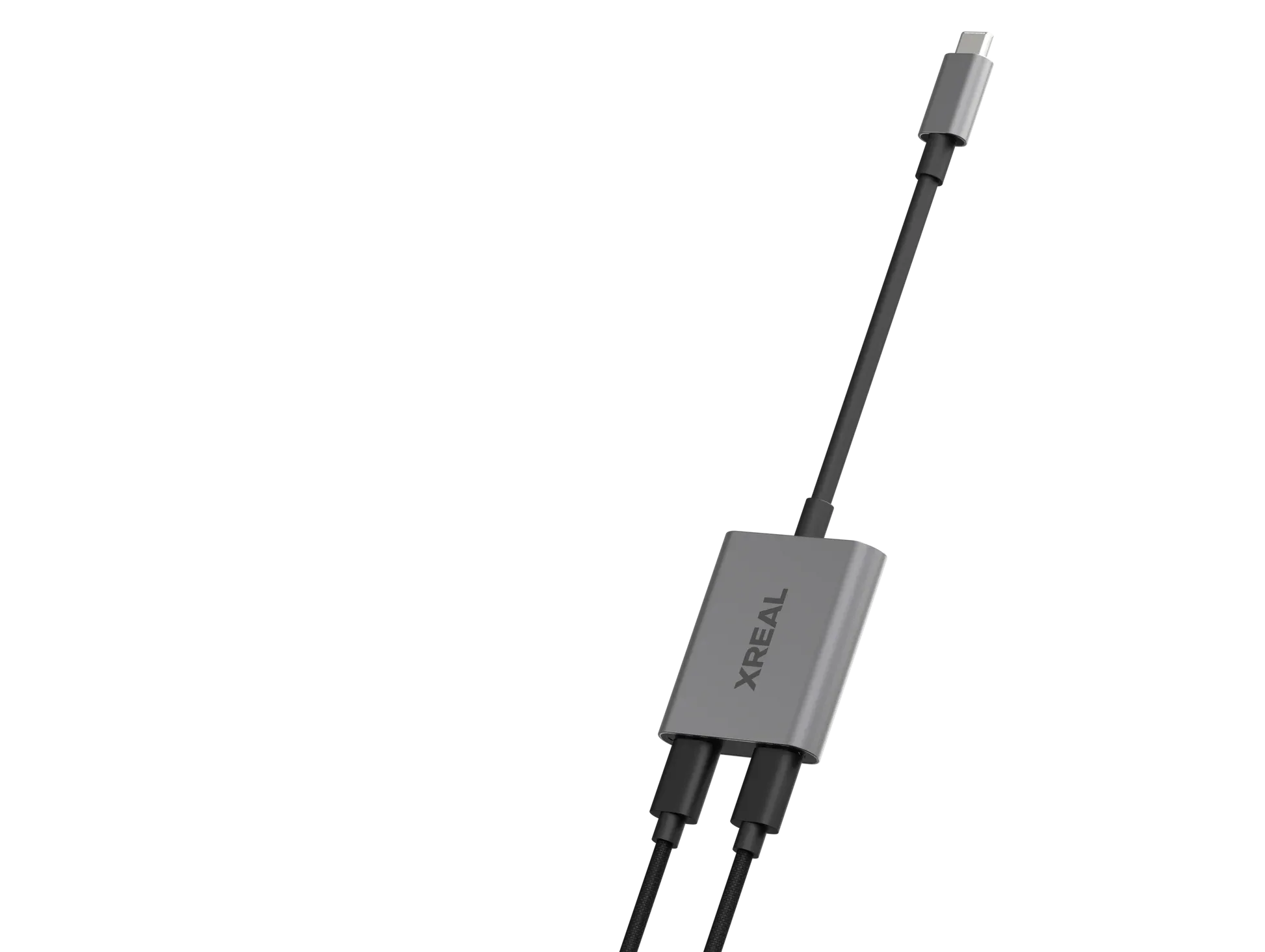
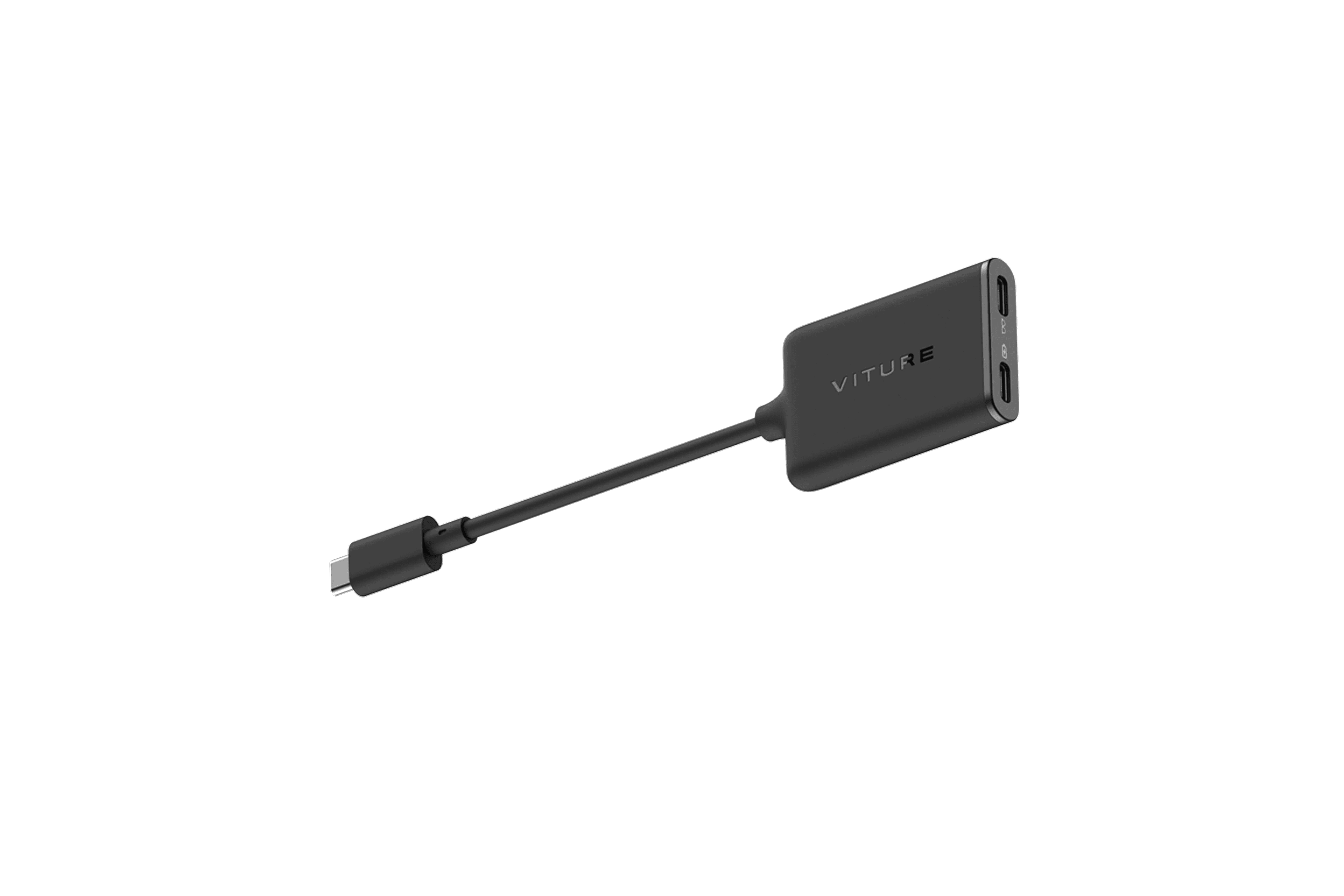
Connectivity | USB-C + ROG Control Dock
Weight | 91 grams
ROG Control Dock specifications
I/O ports (Input) | 2 x HDMI® 2.0, 1 x DisplayPort™ 1.4
I/O port (Output) | 1 x USB-C®
Video resolution | 4K, 60Hz
Dimensions | 215 x 100 x 25mm
Weight | 230g
Why the 240Hz refresh rate matters
One of the biggest technical highlights of the ROG XREAL R1 is its 240Hz refresh rate. A higher refresh rate means the display can update more times per second, which can make fast movement look smoother and more responsive. For gaming, this is especially relevant in racing games, shooters, action games, and competitive titles where motion clarity and reaction time matter.
Most AR glasses are still positioned around entertainment, productivity, or general screen mirroring. The 240Hz refresh rate pushes the ROG XREAL R1 more clearly into gaming territory. However, users will only benefit from the full refresh rate if the connected device and game can output high frame rates. So while 240Hz is a strong feature on paper, the real advantage depends on the source device, game performance, and connection setup.
Focus on handheld gaming
The ROG XREAL R1 is clearly aimed at handheld gaming users who want a larger screen experience without carrying a separate monitor. For devices such as the ROG Ally, Steam Deck, gaming laptops, or compatible smartphones, the glasses act as a wearable display that turns a compact setup into a much larger virtual screen. This makes them especially interesting for travel, gaming on the couch, hotel setups, and players who want more immersion from a handheld device.
The 240Hz refresh rate, 57° field of view, and micro-OLED display make the R1 more gaming-focused than many standard AR glasses. However, it is important to note that the device is not wireless. Users still need to connect it to a source device or the ROG Control Dock, which makes the setup less free than a standalone headset, but potentially more stable for gaming performance and latency.
ROG XREAL R1 Compatibility
The ROG XREAL R1 is designed to work with compatible gaming devices through USB-C and the included ROG Control Dock. This makes it suitable for handheld PCs, consoles, laptops, and smartphones that support video output.
However, one limitation is that the glasses are not wireless. Users still need to connect the R1 to a source device or dock with a cable. For many gaming setups this is acceptable, especially because wired connectivity can help reduce latency and maintain display quality. Still, it makes the experience less free and flexible than a fully wireless headset or standalone XR device.
ROG XREAL R1 price and release information
The ROG XREAL R1 has entered pre-order availability with pricing around $849 USD.
That pricing places it well above mainstream media-focused AR glasses, showing that ASUS and XREAL are positioning the device as a premium enthusiast product rather than an entry-level wearable display.
Can AR glasses replace portable monitors?
For gaming and entertainment, AR glasses like the ROG XREAL R1 make a strong case as an alternative to portable monitors. They are easier to carry, more private in public spaces, and can create a much larger virtual display than most compact external screens. For handheld gaming, streaming, and lightweight travel setups, this could make the ROG XREAL R1 more convenient than packing a monitor, stand, and extra cables.
Still, AR glasses are not a perfect replacement for every use case. Portable monitors remain better for shared viewing, long productivity sessions, spreadsheet work, and situations where you do not want to wear a display on your face. The ROG XREAL R1 should therefore be seen as a premium wearable display for gaming and media, rather than a full replacement for every portable monitor setup.
Final thoughts
The ROG XREAL R1 is shaping up to be one of the most ambitious gaming-focused AR glasses announced so far. Between the 240Hz micro-OLED displays, handheld gaming integration, and spatial features, ASUS and XREAL are clearly targeting enthusiasts looking for next-generation portable gaming setups.
The product is still approaching full market rollout, so real-world performance and long-term comfort remain unanswered questions. However, from a specifications standpoint, the ROG XREAL R1 is already positioning itself as one of the most advanced AR gaming glasses currently announced.
Want AR glasses that ship today for work as well as play? VR Expert AI stocks the leading AI glasses for business and supports pilots and rollouts across the EU and US.