





The short answer
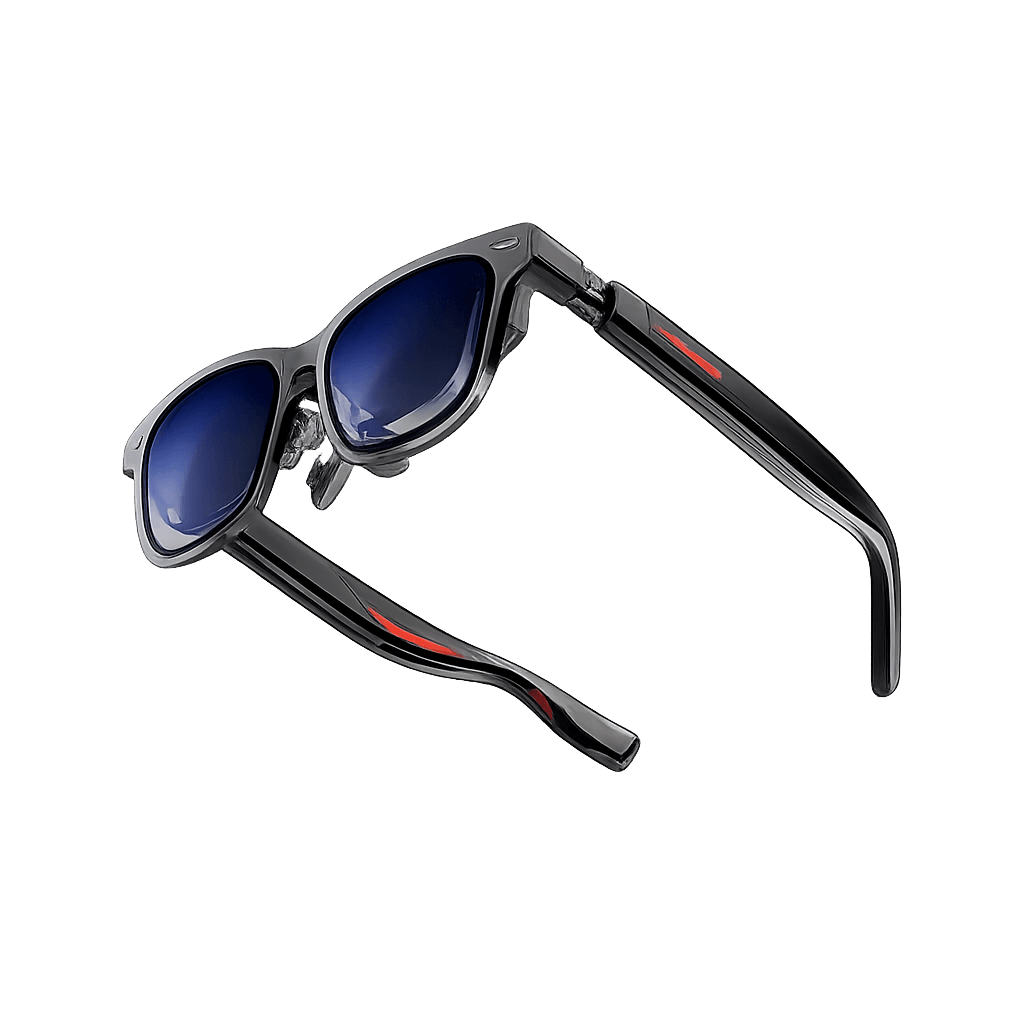
AI glasses are organized around an AI assistant. Their sensors exist to feed the assistant; their headline features are translation, visual understanding and voice interaction.
AR glasses are defined by their display. They project digital content over your view of the real world, from simple floating screens to graphics anchored in 3D space.
Smart glasses are connected eyewear without a defining assistant or large display: camera glasses, audio glasses, and the rugged voice-controlled devices used in industry.
Historically smart glasses was the umbrella term for all three, and technically it still is. But the industry, retailers and search behavior now treat the three as siblings, so that is how our catalogue and this article are organized. The label matters less than knowing which capability you are actually buying: an assistant, a display, or hands-free utility.
AI glasses: the assistant is the product
The hardware recipe is consistent: microphones, speakers, usually a camera, sometimes a small display, all wrapped around a connection to a large language model.
What makes a product an AI glass is not any single component but the center of gravity. On AI glasses, the assistant is the product:
You talk to the glasses, and they answer with real knowledge, not canned commands.
The camera exists so the AI can see: identify objects, read documents, describe scenes.
Translation is a headline feature, live subtitles in your lenses or spoken audio in your ear.
The display, when present, is minimal and glanceable rather than immersive.
The Even Realities G2 shows how far the assistant-first idea can go: it has no camera at all, just microphones and a discreet green text display, and it is one of the most wearable products in the category. The Rokid AI Glasses Enterprise takes the opposite route: camera, display and an open ecosystem that lets a company plug in its own AI models, which is why it leads our enterprise recommendations.
AR glasses: the display is the product
AR glasses put the emphasis on augmenting your vision. The engineering challenge they solve is optical: how to place a bright, sharp digital image over the real world in something you can wear.
In practice the AR label covers two quite different product families:
Virtual display glasses
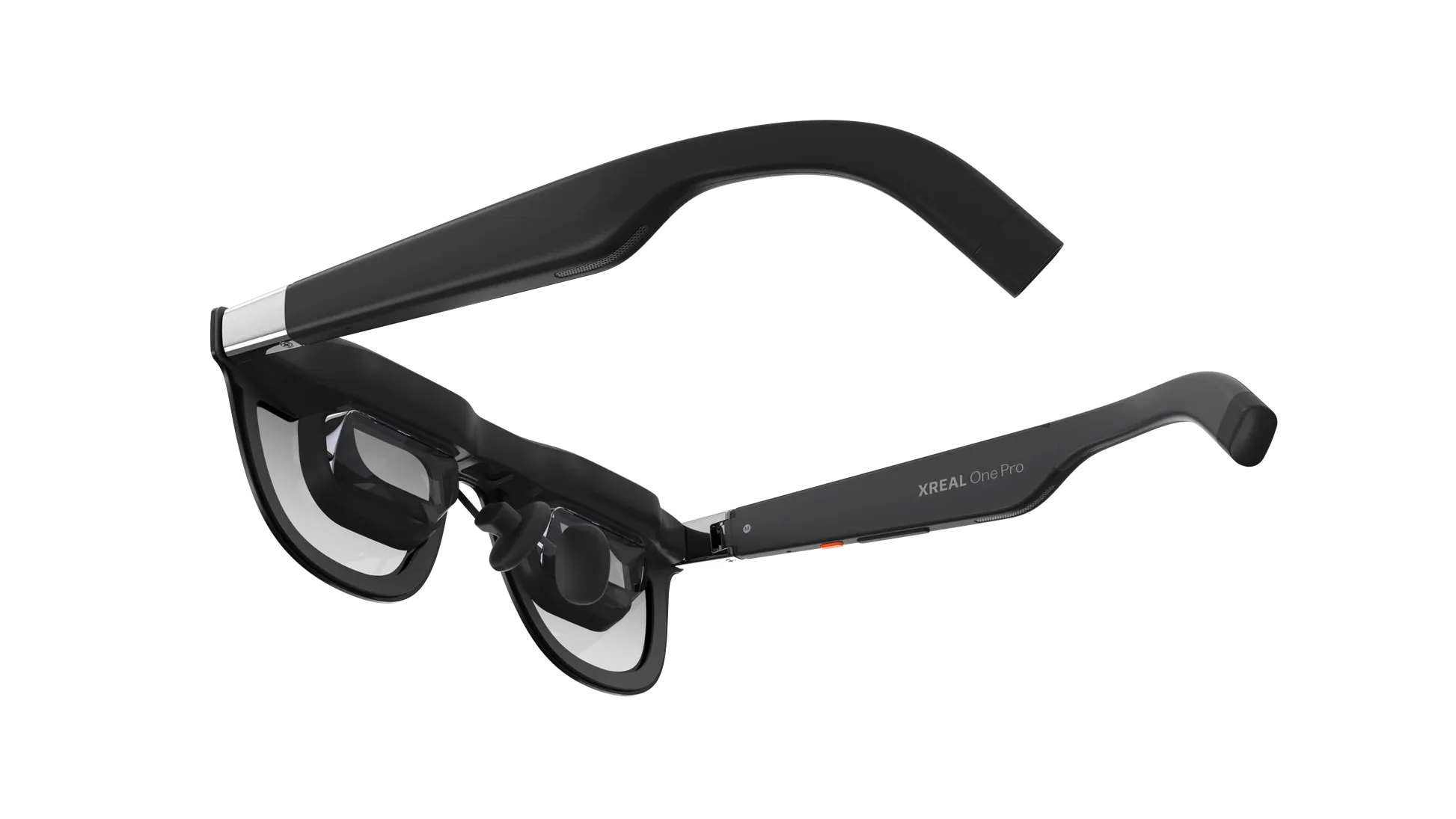
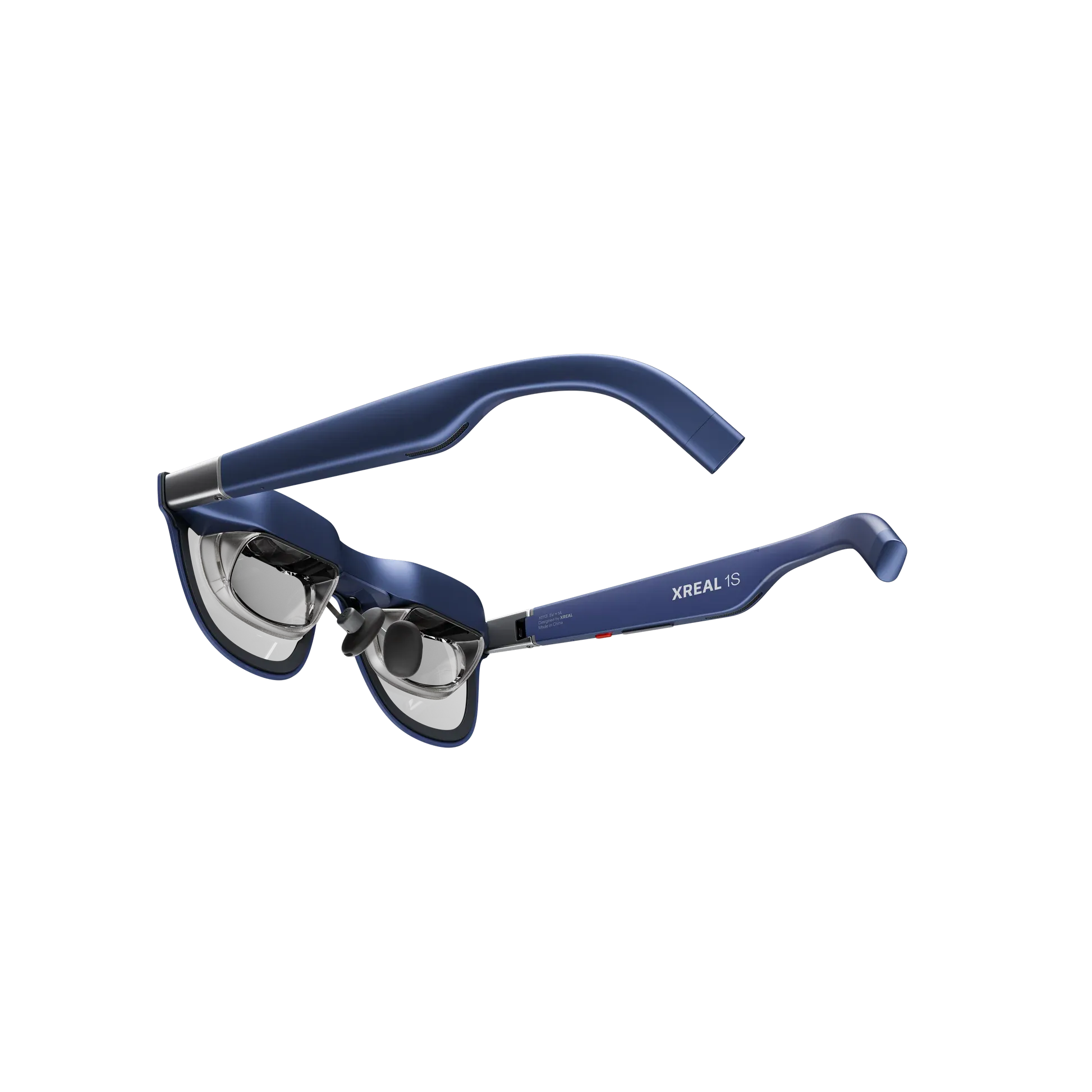
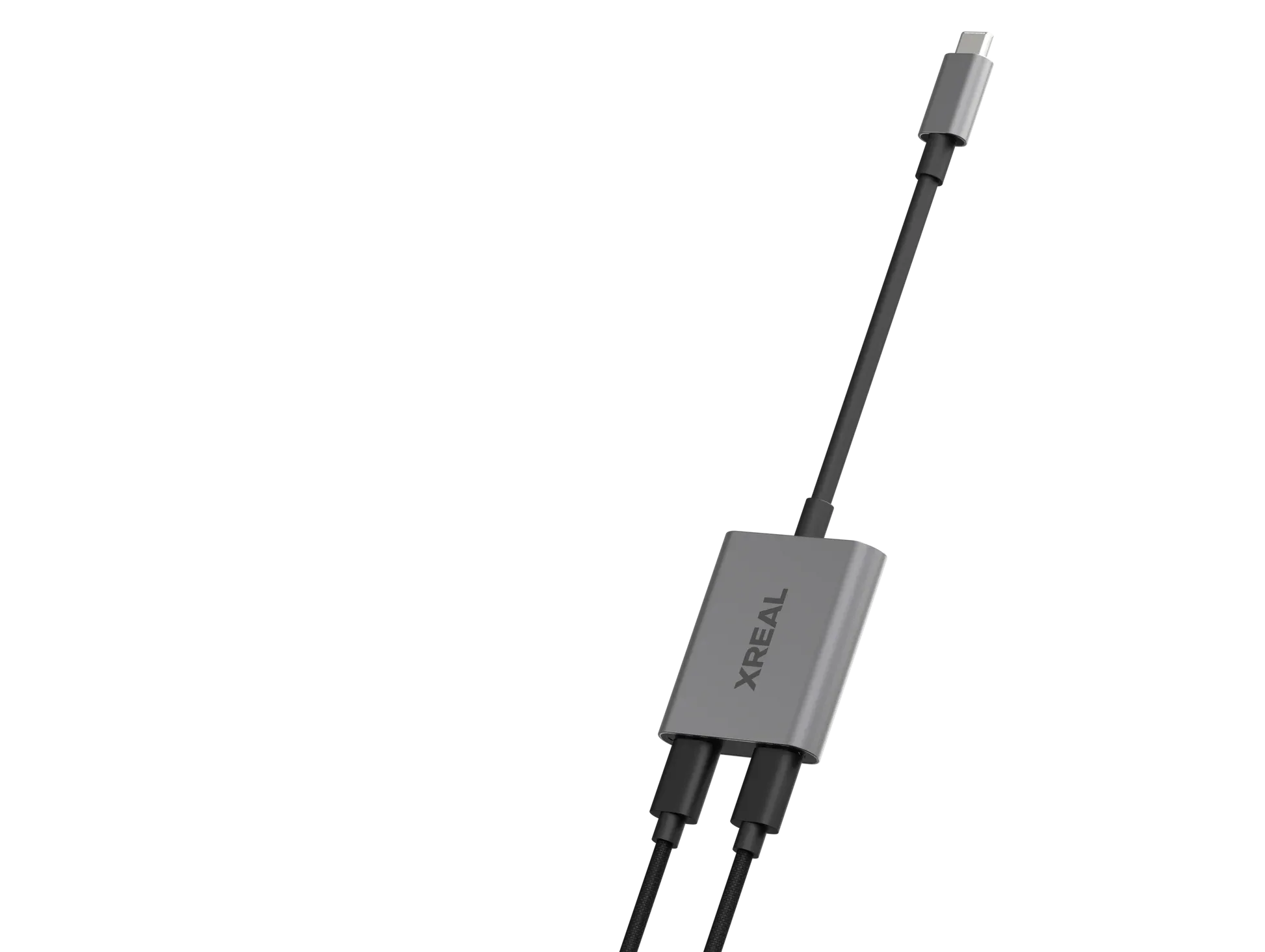
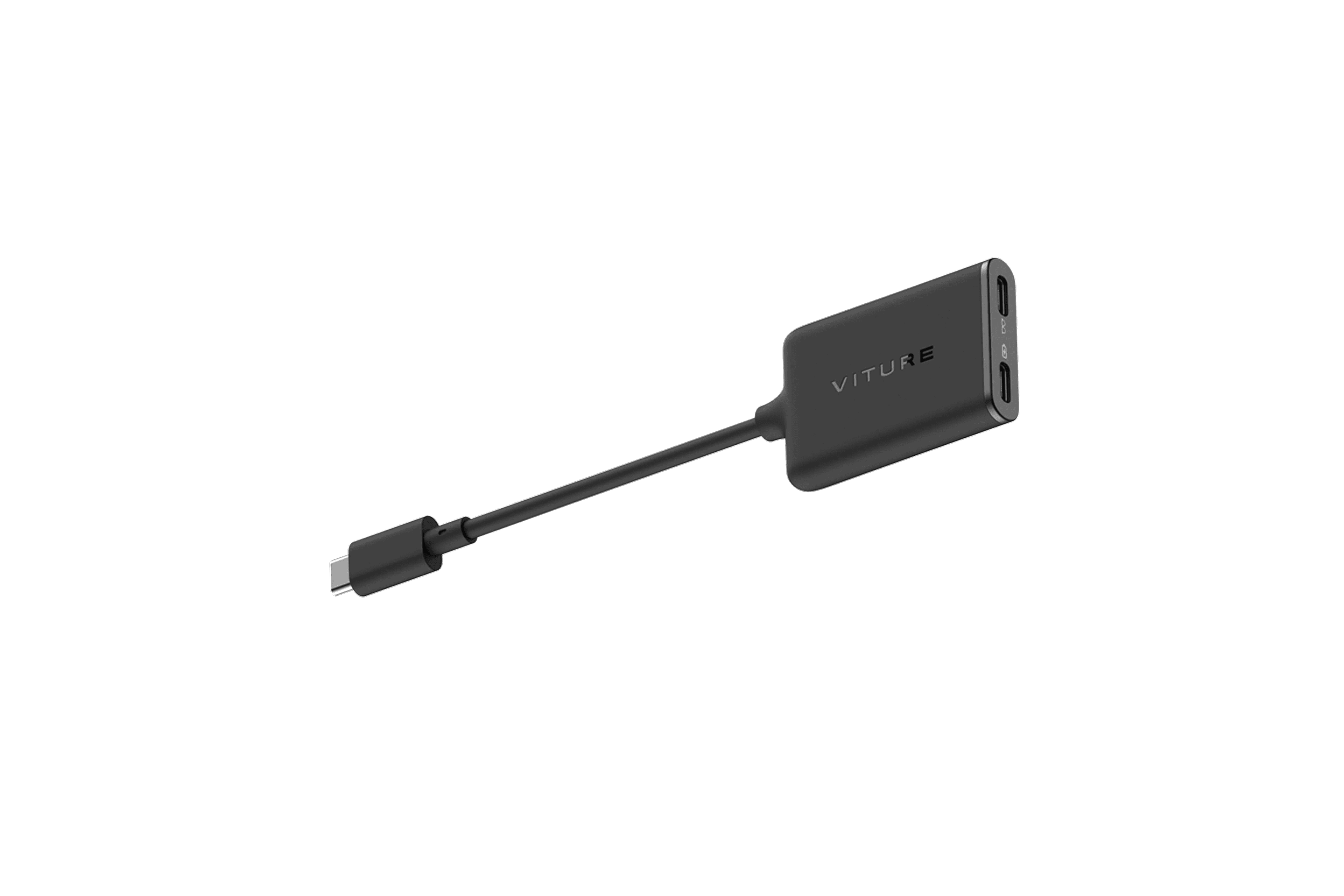
Glasses like the XREAL One Pro and the VITURE Luma series project what is effectively a large virtual monitor in front of you. Plug them into a laptop, phone or handheld console via USB-C and you get a private, portable screen, superb for travel work and multi-monitor setups without monitors. They augment your vision with a screen, not with 3D objects, and they contain little or no AI. If your need is display real estate, this family delivers more per euro than anything else in the market.
Spatial AR glasses
The more ambitious branch anchors content in the world: arrows on the floor, instructions pinned to a machine, 3D models on a table. True spatial AR in a glasses form factor remains hard, and most products that achieve it, like industrial platforms in the SiNGRAY line, are aimed at enterprise use where the value justifies the bulk and price.
Smart glasses: capture, audio and hands-free work
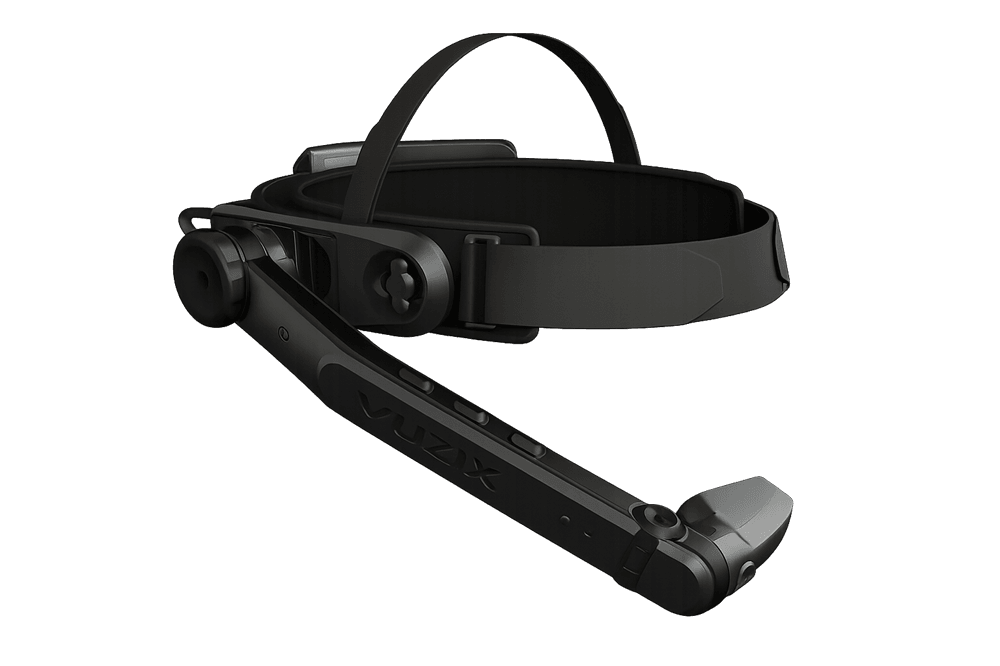
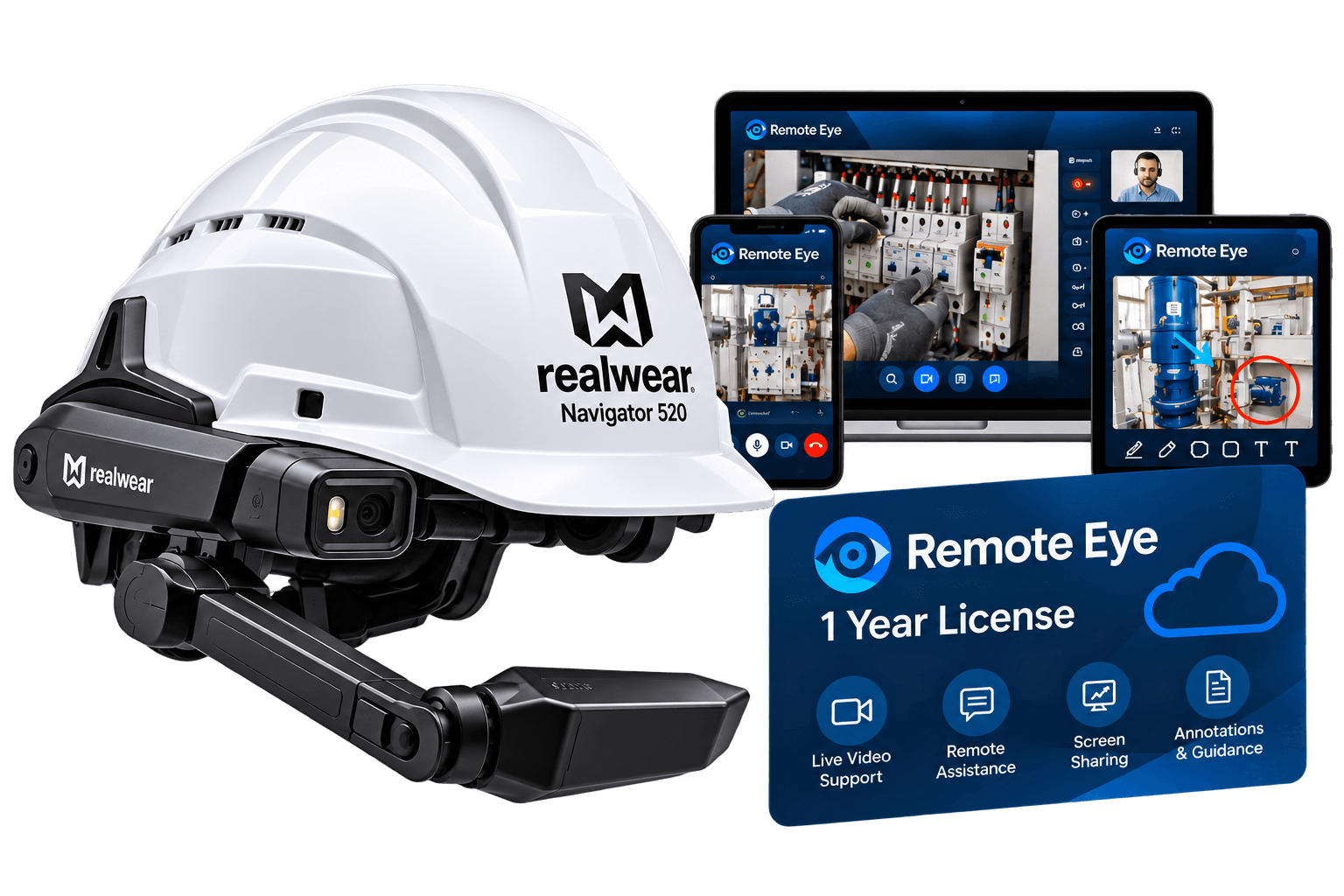
As the industry now uses the term, smart glasses covers connected eyewear whose point is neither a resident assistant nor a big display. Camera glasses record hands-free video from your point of view. Audio glasses handle calls and music with your ears open. And the rugged, voice-controlled devices that industry has relied on for years, like the RealWear Navigator 520 and the Vuzix LX1, live here too: built for noise, dust and gloves, with the deepest catalogue of certified enterprise software in the whole category.
This is the oldest and most operationally proven part of the market, which is why enterprise procurement still writes smart glasses on the requisition even when the shortlist includes AI glasses.
Where products overlap
The categories blur because good products borrow from each other, and the same device can be marketed under any of the three terms:
The Rokid AI Glasses Enterprise are AI glasses with an AR display: assistant-first, but with visual output in your lenses.
The XREAL One Pro is an AR display glass that is adding AI features at the software level.
Camera glasses in the Meta Ray-Ban line started as plain smart glasses and became AI glasses purely through software updates.
This is why we advise ignoring the label on the box and asking one question instead: is the core value the assistant, the display, or hands-free ruggedness? That answer places the product regardless of what the marketing calls it.
Which one do you need?
You want translation, voice assistance and information on the go: AI glasses. Start with the Even Realities G2 if you want maximum wearability, or the Rokid AI Glasses Enterprise if you want the camera and the open platform.
You want a big screen without a monitor: AR display glasses like the XREAL One Pro or VITURE Luma Pro.
You equip workers in industrial environments: rugged voice-controlled smart glasses such as the RealWear Navigator 520, where glove-proof, noise-proof operation beats every other spec.
You want digital content anchored in the real world: spatial AR, and be prepared for enterprise-grade prices and form factors.
For businesses that are unsure, our team runs structured pilots: define the task, test two or three candidate categories on the real workflow, and measure. It is common for a company to arrive asking for AR and leave deploying AI glasses, or the reverse. The category matters more than the model.