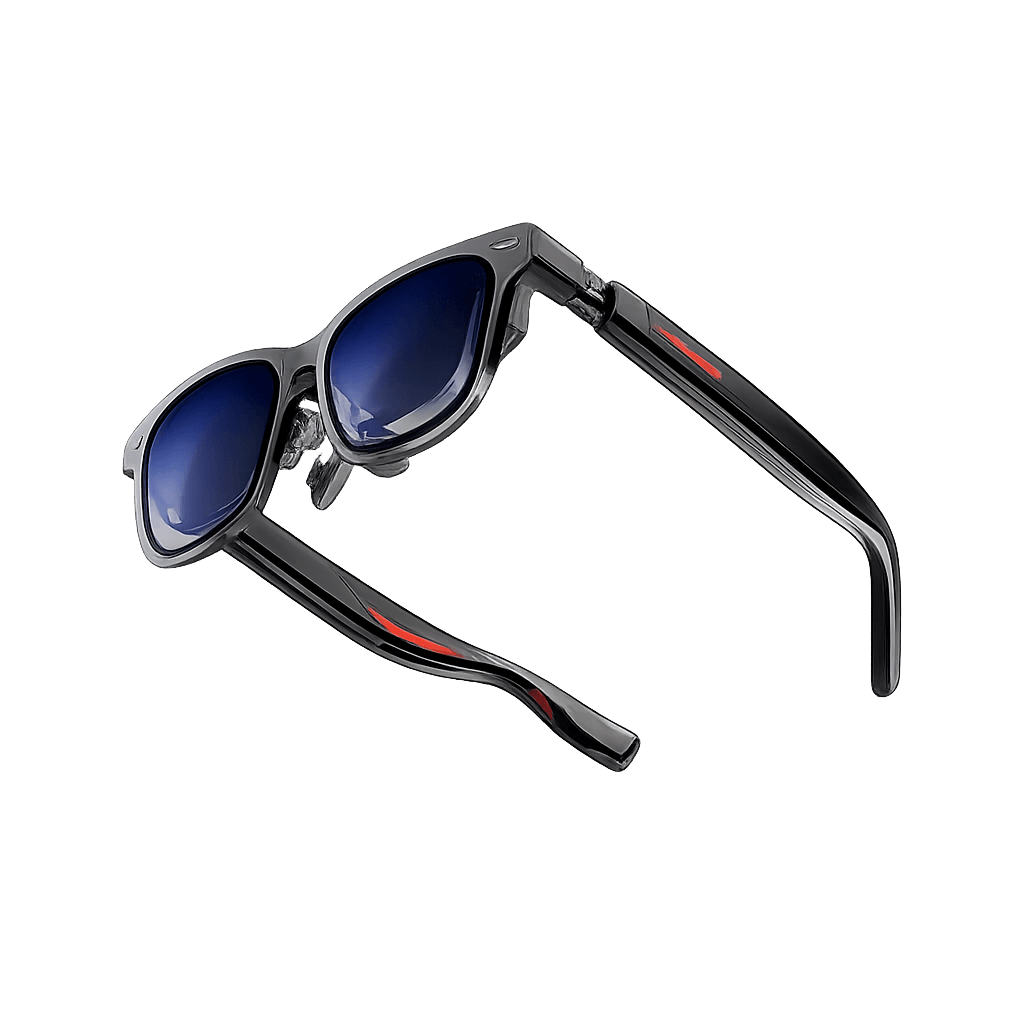



AI glasses in one definition
AI glasses are wearable glasses that combine three things:
Sensors: microphones, and in most models a camera, that give the device eyes and ears.
An AI assistant: a language model, running in the cloud or partly on the device, that interprets what the sensors capture.
Output: speakers near your ears, and in many models a small display projected into one or both lenses.
The defining feature is the assistant. A pair of glasses with only a camera is a camera accessory. A pair of glasses whose assistant can look at a machine part and tell you what it is, or listen to a customer speaking Polish and show you the sentence in English, is a genuinely new kind of tool.
What can AI glasses do today?
Capabilities differ per model, but across the current generation you can expect most of the following.
Live translation
Translation is the feature that sells AI glasses to most first-time buyers, and for good reason: it works. Glasses with a display, such as the Even Realities G2 or the Rokid AI Glasses Enterprise, show subtitles of the other person's speech in your lenses while they talk. Audio-only models speak the translation into your ear. For international teams, staff dealing with foreign visitors, or travel, this alone can justify the purchase.
Visual understanding
Camera-equipped AI glasses can describe or identify what you are looking at. Ask what a component is, have a label or menu read out, or get a summary of a document you are holding. Accuracy depends on the underlying AI model, and it improves with every model generation because the glasses are mostly a window to a cloud assistant.
Hands-free capture
Photos and video from your point of view, triggered by voice or a tap. Useful for content creation, and equally useful for documentation in field service: a technician can record a repair without putting tools down.
Notifications, navigation and glanceable information
Display models place messages, turn-by-turn directions, teleprompter text or checklists in your field of view. The better implementations are deliberately minimal: a narrow green text layer in the Even Realities G2, a compact panel in Rokid's display. The point is glanceable information, not a floating desktop.
An assistant you can talk to
Everything a voice assistant does on a phone, without the phone: reminders, questions, dictation, summaries. Several enterprise models let you choose the underlying model or connect your own, which matters for companies with data-residency requirements.
What AI glasses do not do (yet)
It is worth being direct about the limits, because marketing in this category often is not.
They do not replace your phone. Nearly every pair pairs with a smartphone and depends on it for connectivity.
Most do not overlay 3D graphics on the world. That is the domain of AR headsets; AI glasses with displays show flat, glanceable content.
Battery life is real-world hours, not days. Heavy camera and translation use drains any current model in an afternoon.
The AI is only as good as its connection. On-device processing is improving, but the impressive features still lean on the cloud.
AI glasses, smart glasses, AR glasses: where the lines run
The three terms overlap and vendors use them loosely. A short version of the distinction:
Smart glasses covers connected eyewear built around capture, audio and rugged hands-free work rather than an assistant or a large display.
AI glasses are built around an AI assistant. The camera and microphones exist to feed the assistant.
AR glasses emphasize the display: they place digital content, sometimes anchored in 3D space, over the real world.
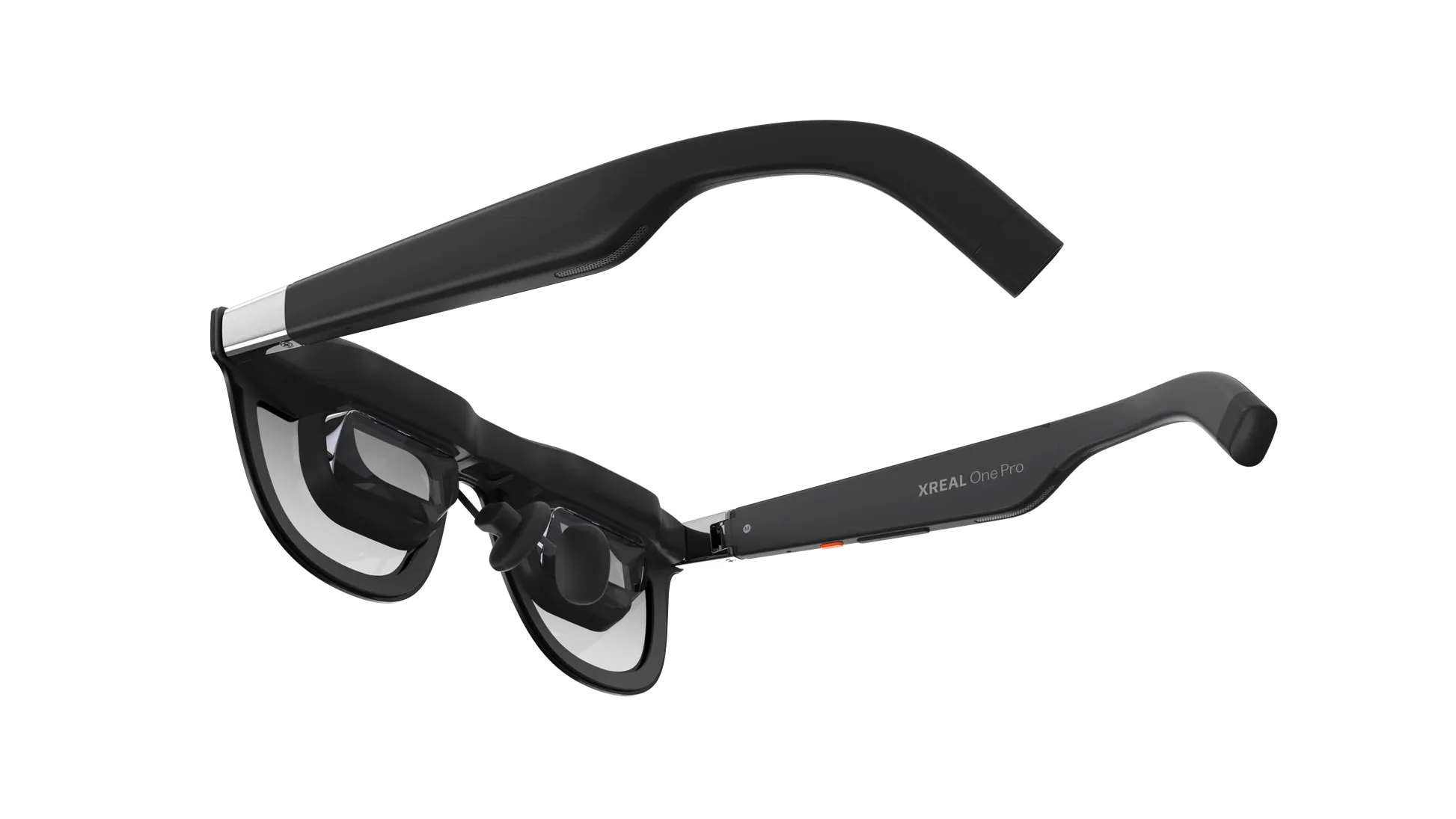
A single product can sit in two categories at once. The Rokid AI Glasses Enterprise are AI glasses with an AR-style display; the XREAL One Pro is a display-first device that is closer to a wearable monitor. If you want the full breakdown, read our guide on the difference between AI glasses, smart glasses and AR glasses.
The main kinds of AI glasses in 2026
Everyday assistant glasses
Lightweight frames for all-day wear. Displays are minimal or absent, cameras are optional, and the focus is translation, notifications and the assistant. The Even Realities G2 is the reference example: no camera, a subtle text display, and a form factor indistinguishable from normal eyewear.
Camera-first AI glasses
Glasses built around hands-free capture with an assistant attached, popularized by Meta's Ray-Ban line. Strong for content and consumer use; the lack of a display or an open enterprise platform limits professional deployments.
Enterprise AI glasses
Designed for work: better cameras, open SDKs, device management support, and displays meant for instructions and remote assistance. The Rokid AI Glasses Enterprise is the leading example we test, with live translation across dozens of languages and support for connecting your own AI models.
Industrial and rugged devices
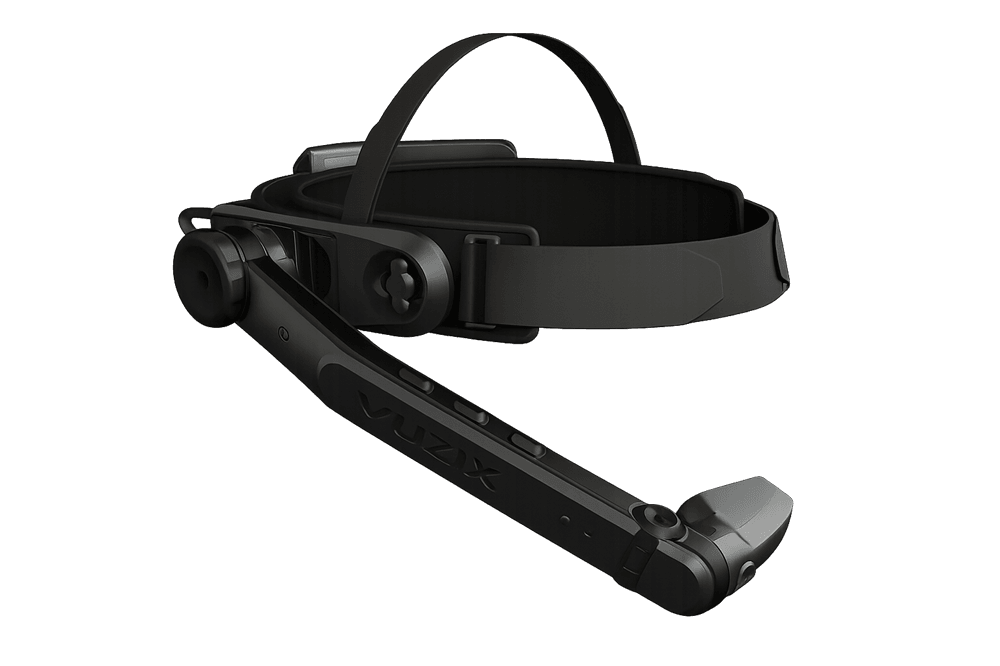
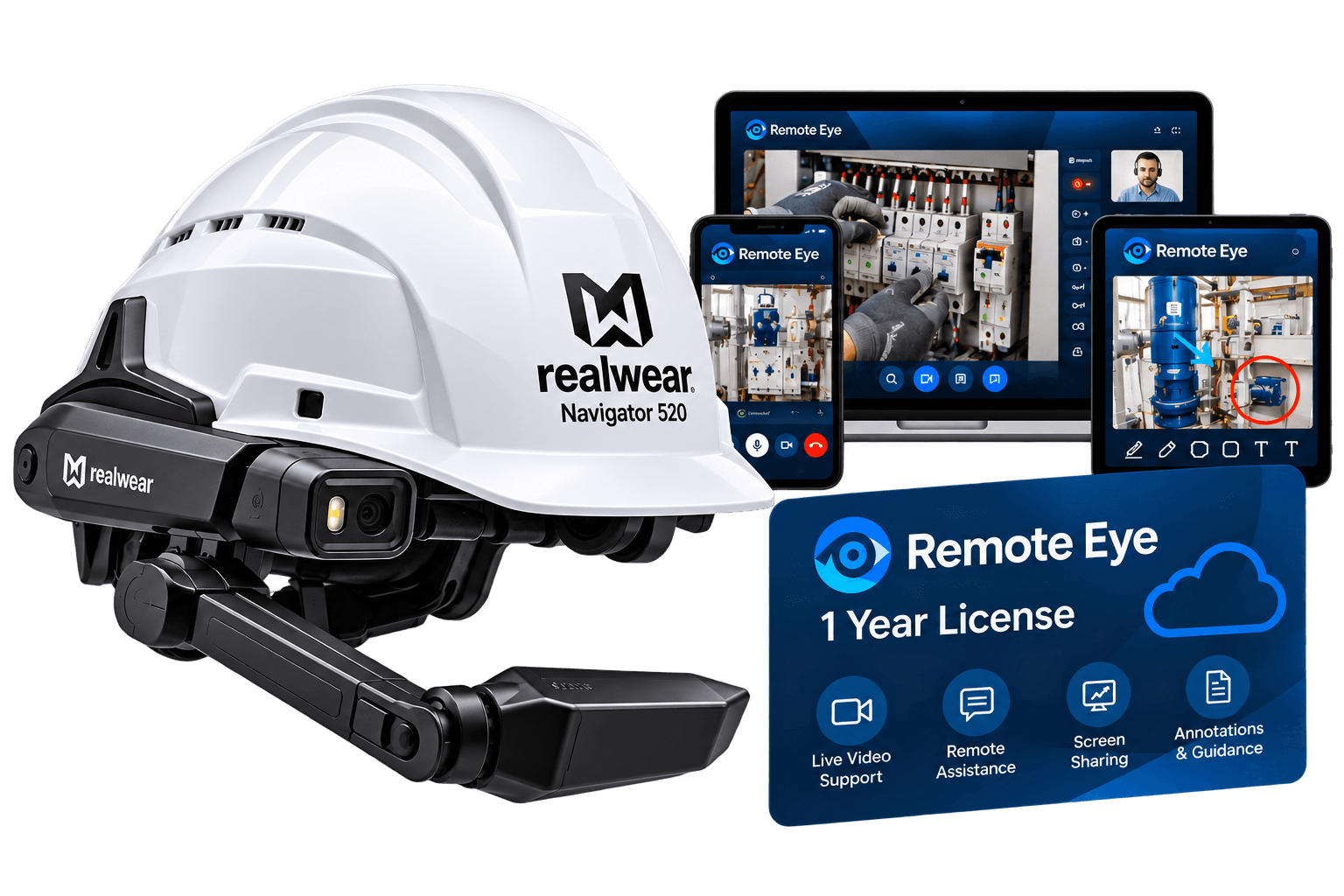
Rugged headsets like the RealWear Navigator 520 sit at the edge of the category: voice-controlled computers for loud, dirty, hands-busy environments. They predate the AI-glasses wave but are gaining the same assistant capabilities.
Do you need AI glasses?
For private buyers the honest answer in 2026 is: if translation, hands-free capture or discreet glanceable information solves a real problem for you, yes; if you are looking for a phone replacement, not yet.
For businesses the case is more concrete. AI glasses earn their keep where workers need information while their hands are busy, where language barriers slow work down, or where seeing what a remote colleague sees saves a site visit. Warehousing, field service, manufacturing, healthcare and training are the use cases we deploy most. Our overview of smart glasses for business goes deeper on selection criteria and rollout.
How to choose your first pair
Display or no display. Subtitles, navigation and instructions need a display. Pure voice assistance and capture do not.
Camera or no camera. A camera enables visual AI and documentation, but some workplaces and social settings restrict cameras. Camera-free models like the Even Realities G2 sidestep the issue.
Ecosystem openness. Consumer glasses lock you to the vendor's assistant. Enterprise models increasingly let you pick the AI, which matters for privacy and for keeping data in the EU.
Prescription support. Most serious models now offer prescription inserts or lenses; verify before buying.
Comfort. Grams matter. Anything over roughly 80 grams stops feeling like glasses over a full day.