Live Translation
Two-way translated captions in the display for cross-border teams.
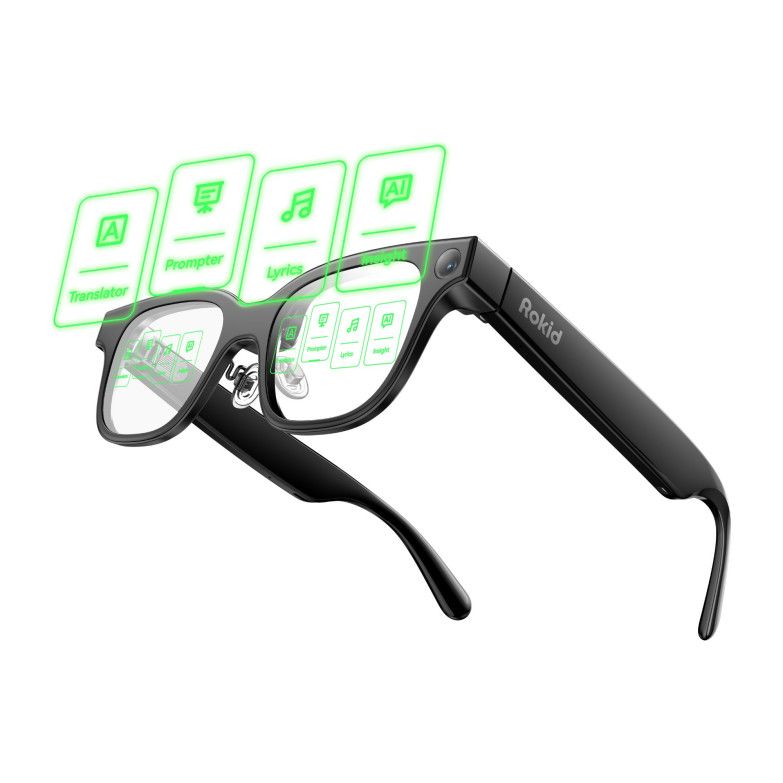
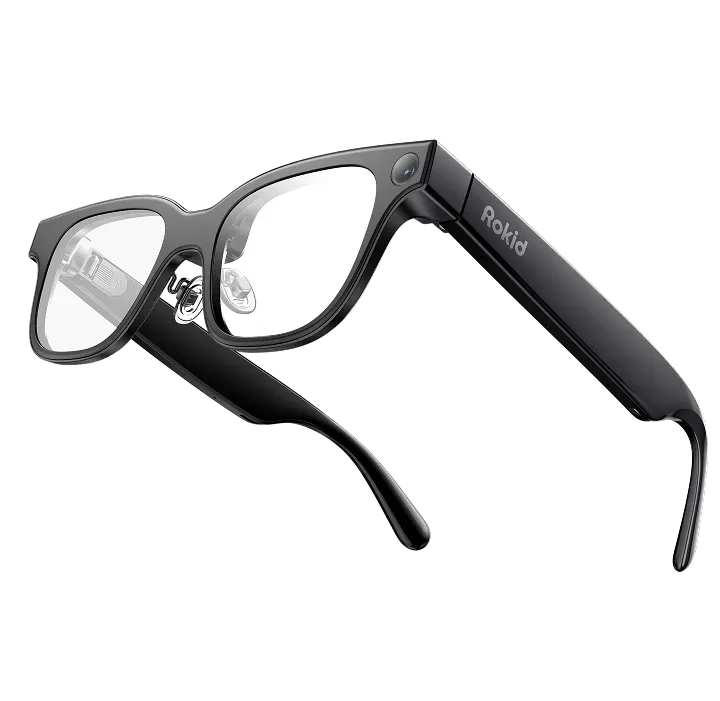
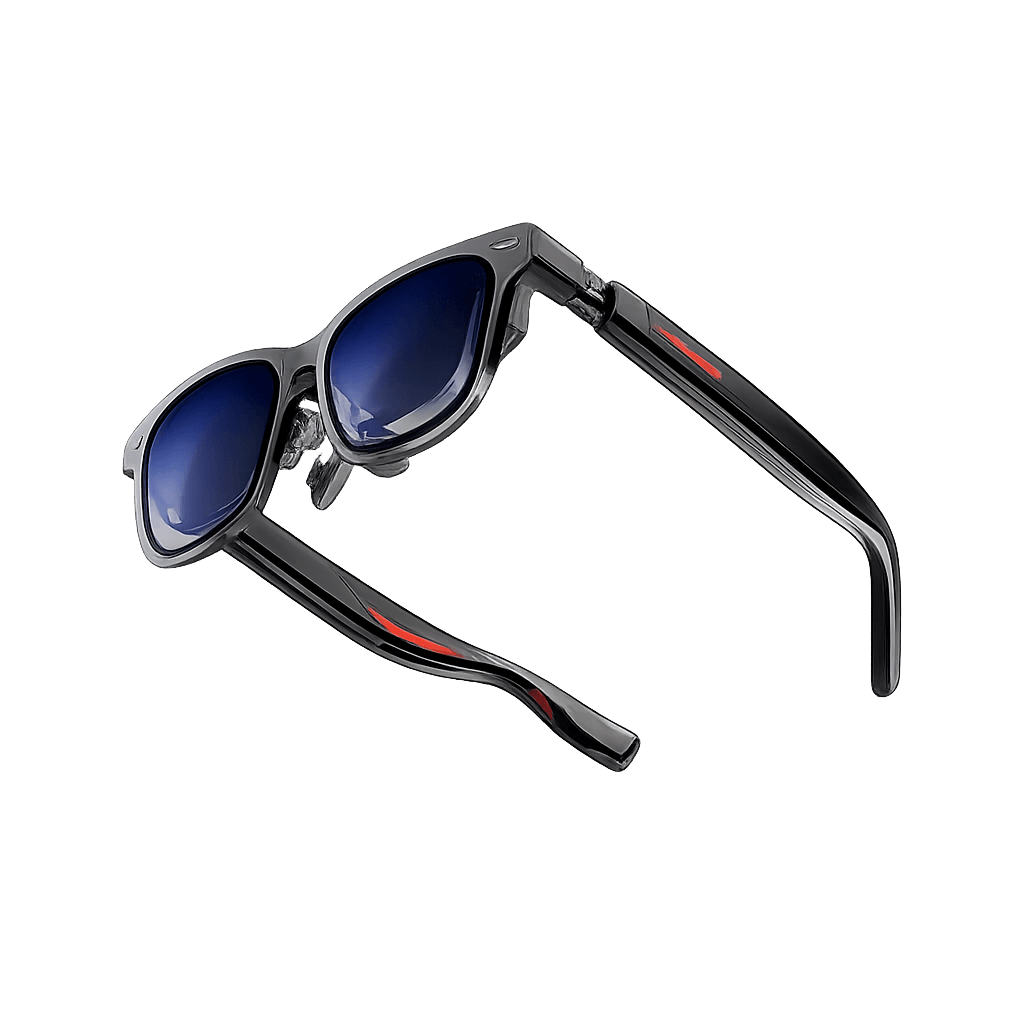
Rokid makes standalone AI glasses for enterprise, led by the Rokid AI Glasses Enterprise: phone-free Android, dual-eye display, 12MP camera, live translation and an open SDK. See Rokid accessories.
Live Translation
Two-way translated captions in the display for cross-border teams.
AI Assistant
On-device voice AI answers questions and takes notes hands-free.
Hands-Free Capture
The 12MP camera records site photos and video for documentation.
Remote Support
Share the wearer's view with a remote expert during a paired call.
The Rokid AI Glasses Enterprise is a 49 g standalone device built on a Snapdragon AR1 processor, with a dual-eye monochrome Micro-LED display, a 12MP Sony camera, Wi-Fi 6 and Bluetooth 5.3. Real-time two-way translation covers more than 80 languages in the display, with a smaller set available offline. Most workflows run without a phone, although video calls use a connected smartphone.
That places Rokid in the AI glasses family rather than the display-led or assisted-reality categories. Teams use the device for remote support, field documentation and live translation. The open SDK is the part procurement teams tend to underrate: it lets your own developers build private or workflow-specific apps and integrate with existing systems instead of working around a closed platform.
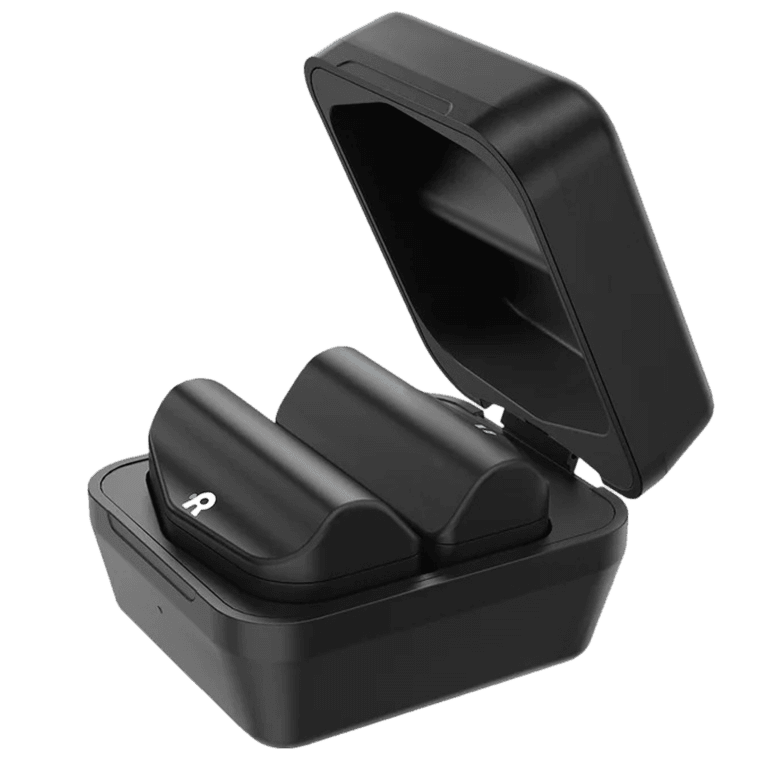
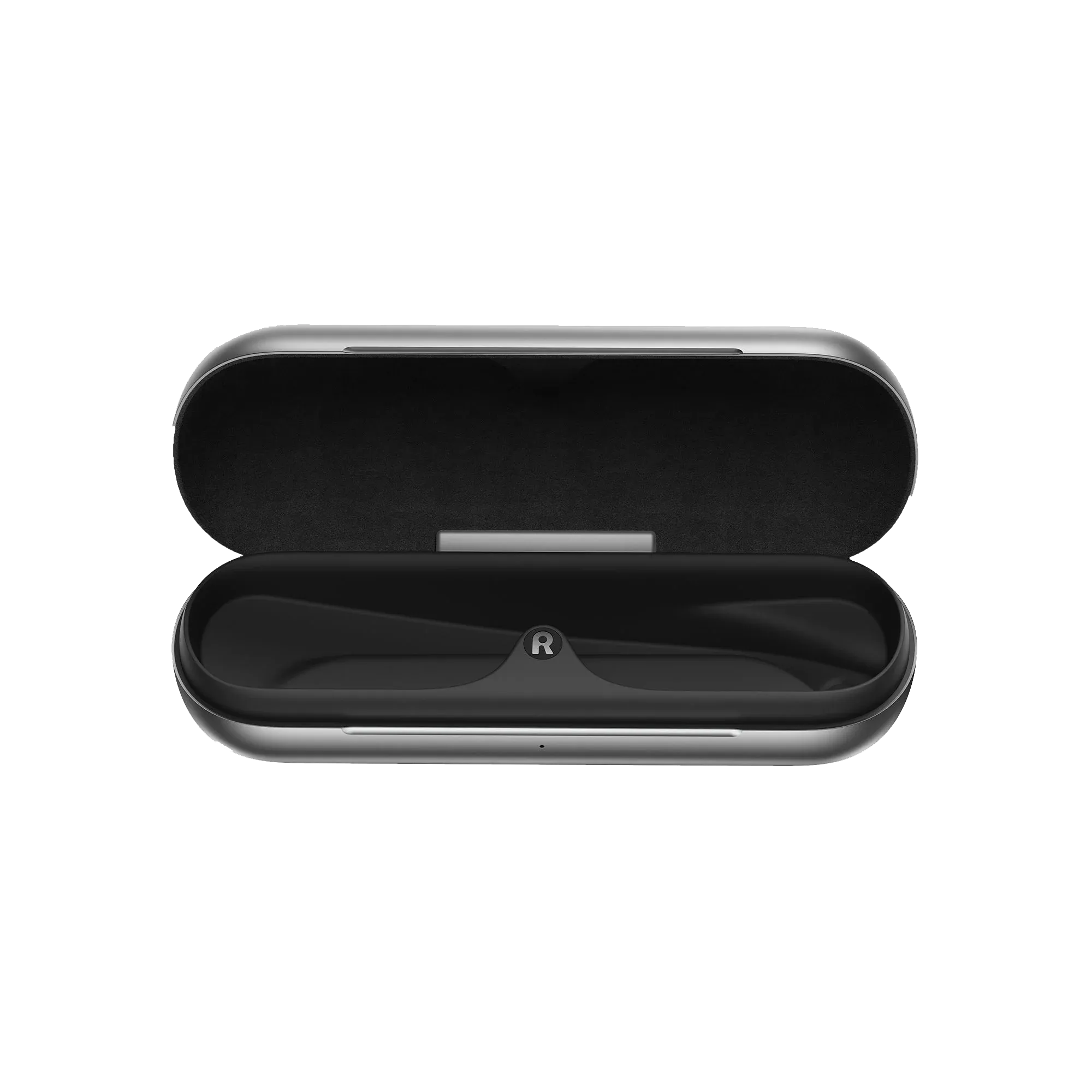
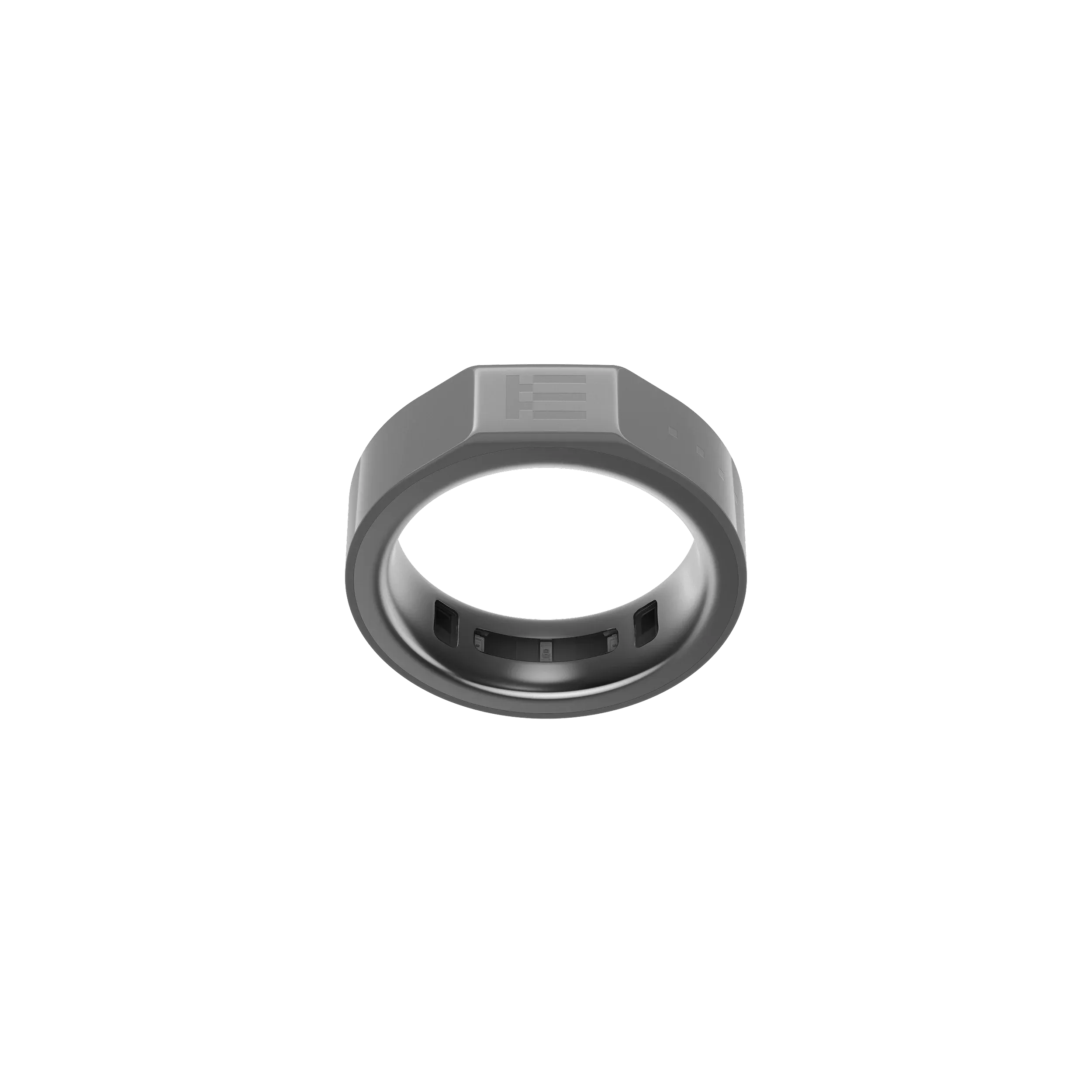
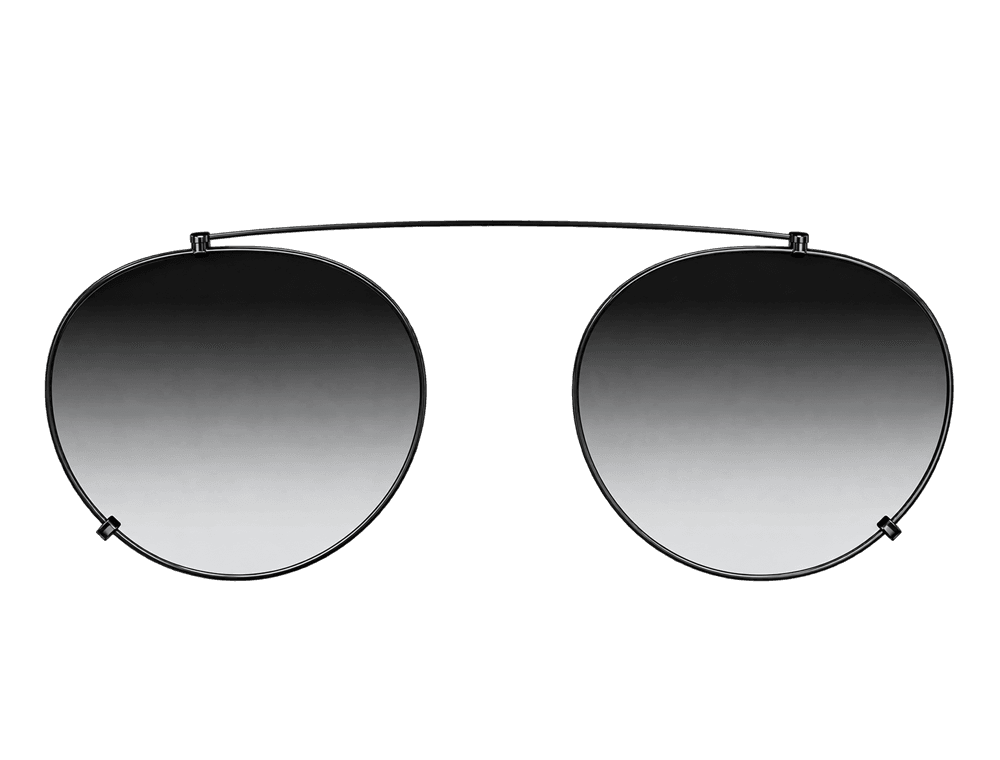
VR Expert AI is a B2B supplier of Rokid glasses, offering volume pricing, business invoicing and delivery across the EU and US. Buy a single unit for a pilot, then roll out the same configuration across a fleet. Rokid accessories cover the parts that determine whether a deployment lasts a full shift: magnetic prescription inserts, the charging case and the power capsule.
Rokid sits alongside the rest of our glasses range, so comparing it with Even Realities or the Meta Ray-Ban Display is a conversation with us rather than a spec sheet you reconcile on your own. Send us your headcount, the languages involved and the workflow you need to support, and we will provide a quote with lead times and stock availability.
Yes. The Rokid AI Glasses Enterprise is positioned as a standalone, privacy-first enterprise alternative that runs on Android with a dual-eye display and open SDK, rather than relying on a phone and the Meta Neural Band.
Yes. The Enterprise model has higher specs than the consumer version, an open SDK and privacy controls, so it suits managed fleets for remote support, translation and workflow apps.
Rokid makes AI and AR glasses. The current enterprise model is the Rokid AI Glasses Enterprise, a standalone Android device with a dual-eye display, camera, translation and an open SDK.
They suit organizations that want standalone, display-enabled AI glasses for remote support, translation and custom workflow apps, and teams that need a phone-free, manageable device.
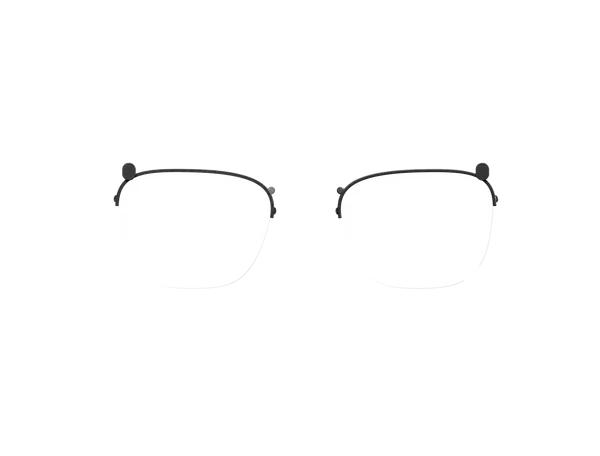
Yes. Magnetic prescription inserts can be fitted so people who wear glasses can use the device without a separate pair. Our specialists can advise on fitting a team.
VR Expert AI is a B2B supplier of Rokid glasses, offering volume pricing and business invoicing. Request a quote with your requirements and we will confirm pricing, lead times and availability.
Yes. As a B2B supplier, we offer volume pricing, business invoicing and quotes for pilots or fleet rollouts of Rokid glasses, plus datasheets for procurement.
VR Expert AI delivers Rokid glasses across the EU and US with business support and expert advice on device choice, accessories, software and deployment. Ask for a quote or a demo to get started.
Yes. VR Expert AI supplies Rokid glasses with volume pricing and business invoicing. Share your quantity and use case and we will prepare a quote with lead times and availability.
It is a 49 g pair of standalone AI glasses with a dual-eye monochrome Micro-LED display, a 12MP Sony camera, a Snapdragon AR1 processor, Wi-Fi 6 and Bluetooth 5.3, and an open SDK for custom apps.
The Rokid AI Glasses Enterprise offers real-time, two-way translation across more than 80 languages shown in the display, with a smaller set available offline.
Yes. The Rokid AI Glasses Enterprise has a 12MP Sony camera for point-of-view capture, which supports remote support, inspection and field documentation.
No. The Rokid AI Glasses Enterprise runs standalone on Android for most workflows, although video calls use a connected smartphone.
VR Expert AI supplies the Rokid Charging Case, Rokid Power Capsule and Rokid Prescription Frame for all-day use, backup power and prescription needs.
Yes. The open SDK and standalone Android platform let organizations build private or workflow-specific apps and integrate with their own systems.