










AI Assistant
Voice AI and contextual prompts shown on the glasses display as you work.
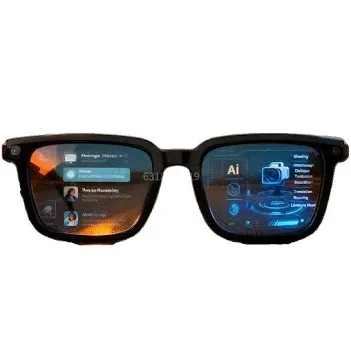
AR glasses overlay digital content on the real world or project a large private virtual screen. Compare AR glasses for business, from XREAL and VITURE display glasses for mobile productivity to the standalone HMS SiNGRAY G2 for industrial AR and remote support.
AI Assistant
Voice AI and contextual prompts shown on the glasses display as you work.
Live Translation
Live captions on a full-color display during multilingual sessions.
Remote Support
Standalone AR headsets stream your view and pin expert annotations in place.
Virtual Display
A large private screen over USB-C from a laptop, phone or console.
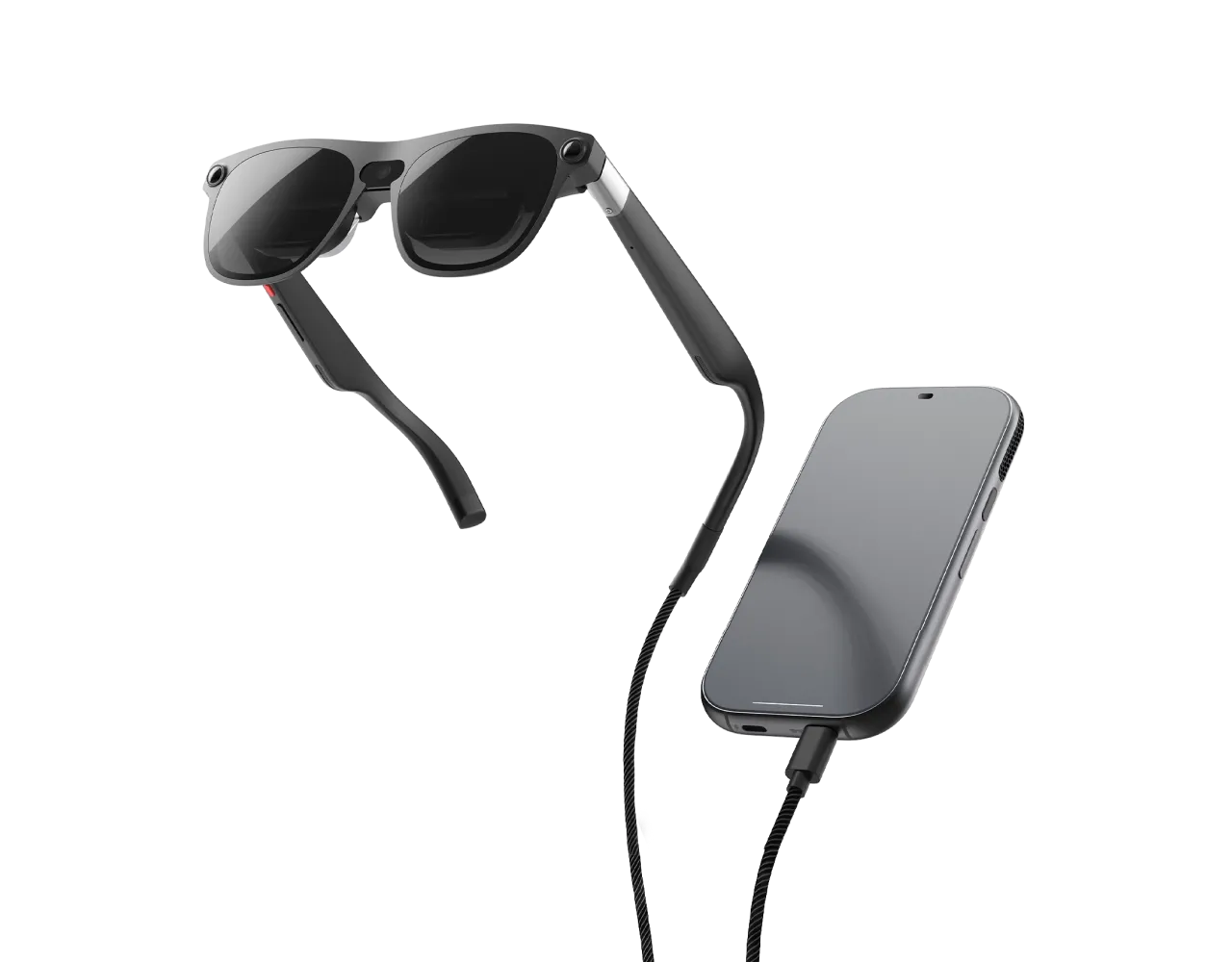
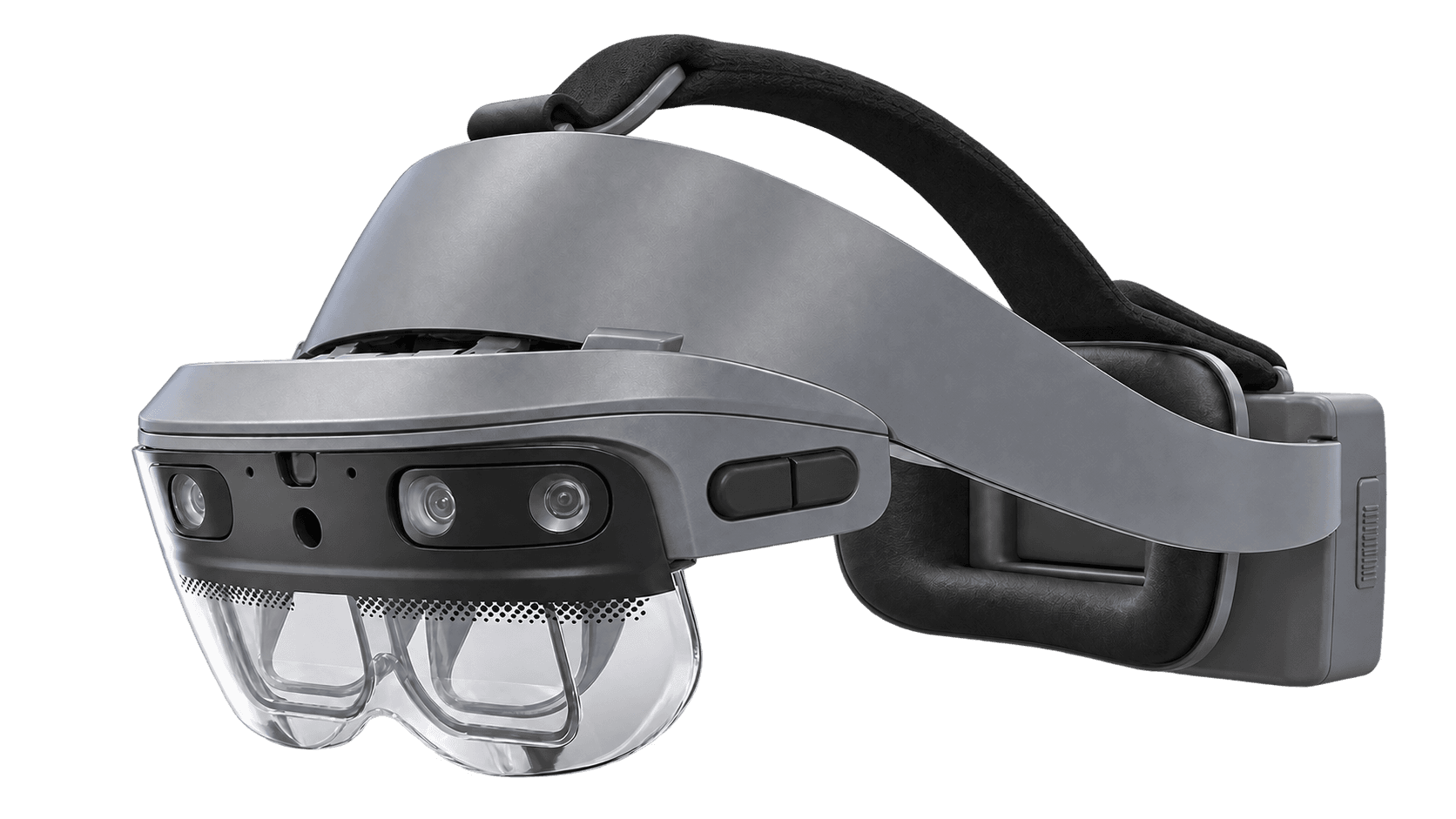
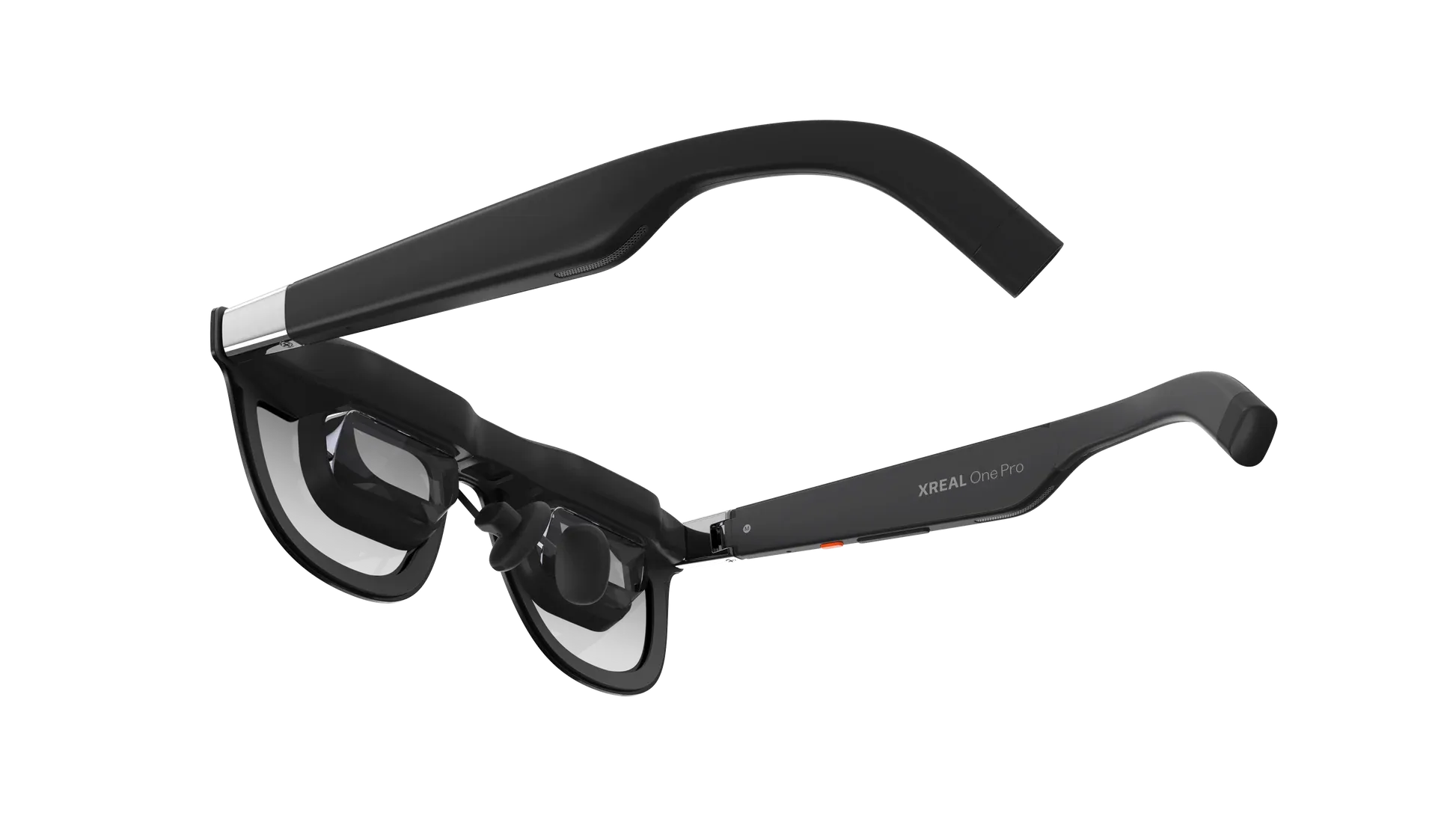
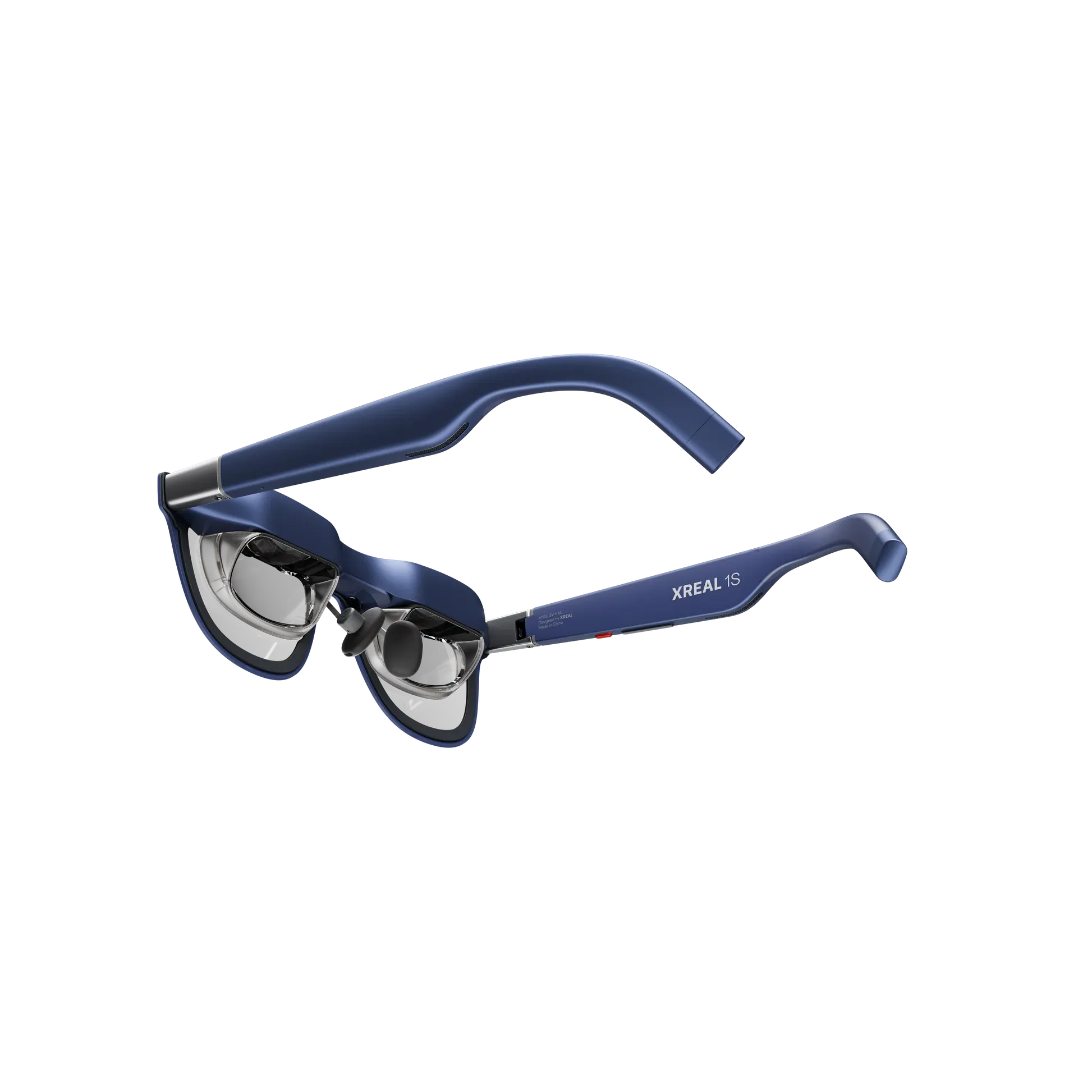
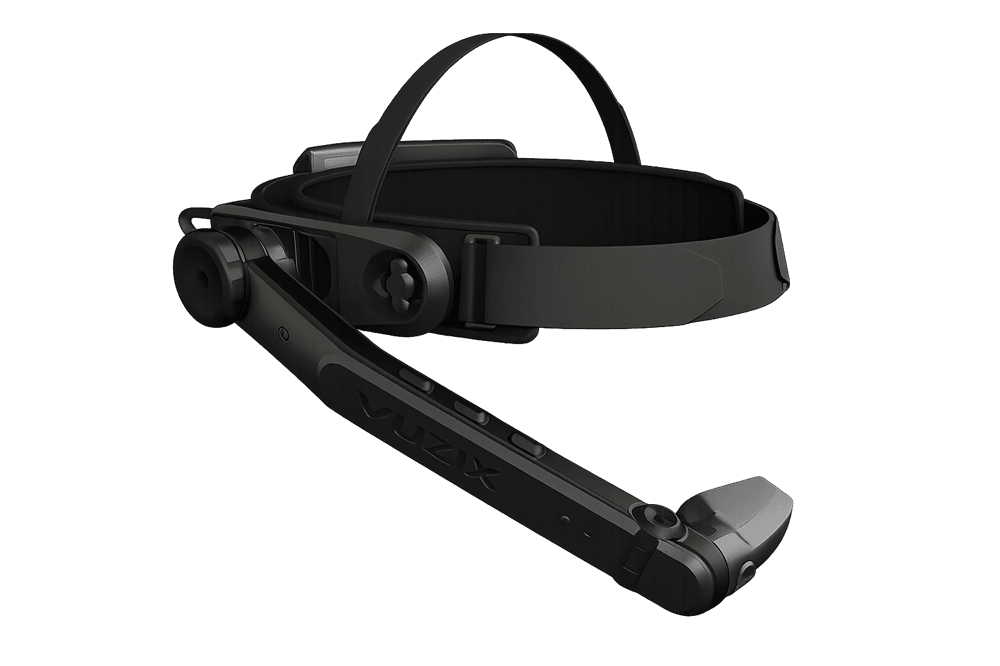
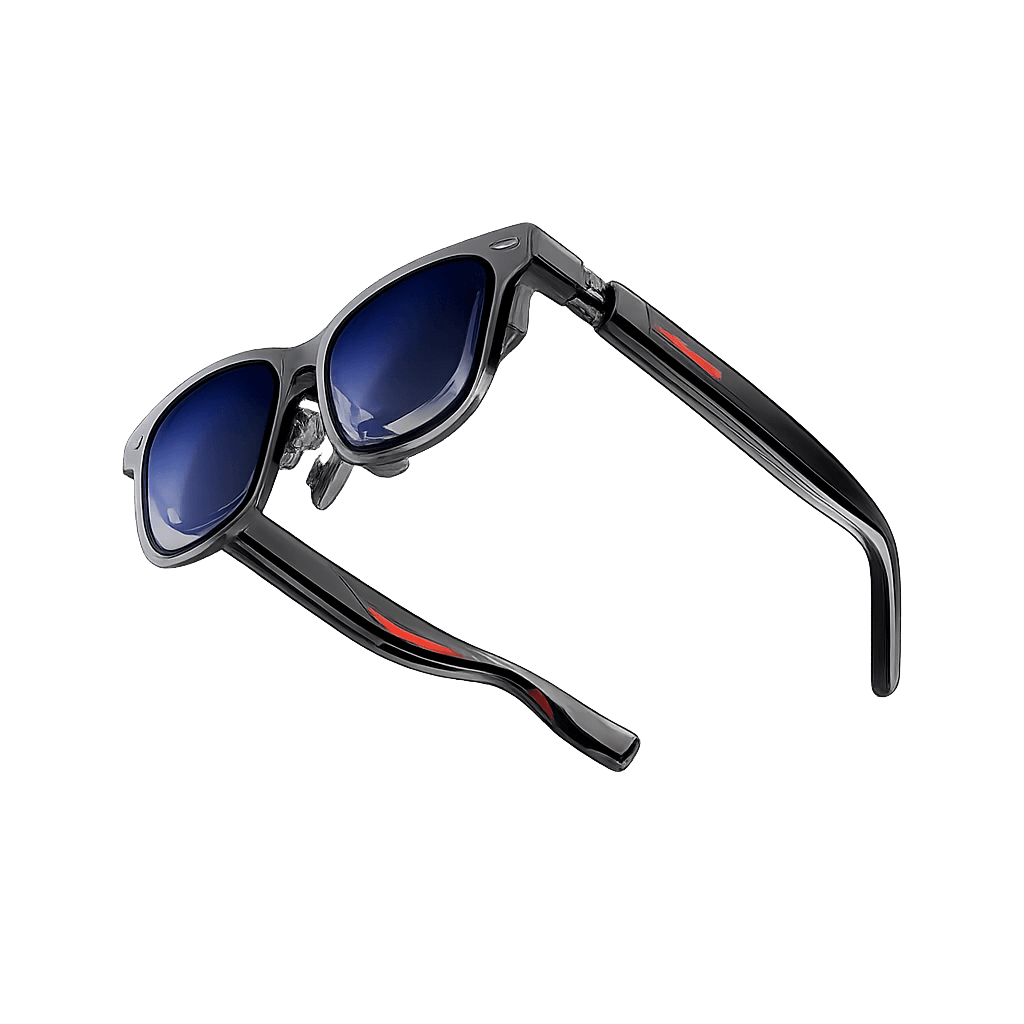
AR glasses, sometimes listed as XR glasses, come in two formats. Tethered display glasses such as the XREAL One Pro, XREAL 1S and VITURE Beast connect over USB-C to a laptop, phone or console and project a large private virtual screen, with no onboard computer. Standalone AR headsets such as the HMS SiNGRAY G2 run their own software and add 6DoF spatial tracking, so instructions and digital twins stay anchored to the equipment in front of the worker.
The format you need depends on the job, not the spec sheet. Virtual display glasses give traveling and hybrid staff screen space without a monitor, and are the practical choice for anyone looking for smart glasses with a display. Standalone AR headsets suit manufacturing, utilities and field service, where spatial overlays and remote support reduce site visits. Teams that need rugged, voice-first hands-free work usually choose assisted-reality devices instead.
VR Expert AI is a B2B distributor, not a gadget shop. AR glasses come with volume pricing, business invoicing, VAT-compliant quotes and delivery across the EU and US. Buy a single unit for a pilot or roll out a fleet, with datasheets, stock availability and advice on host device compatibility, prescription options and accessories settled before the purchase order is issued.
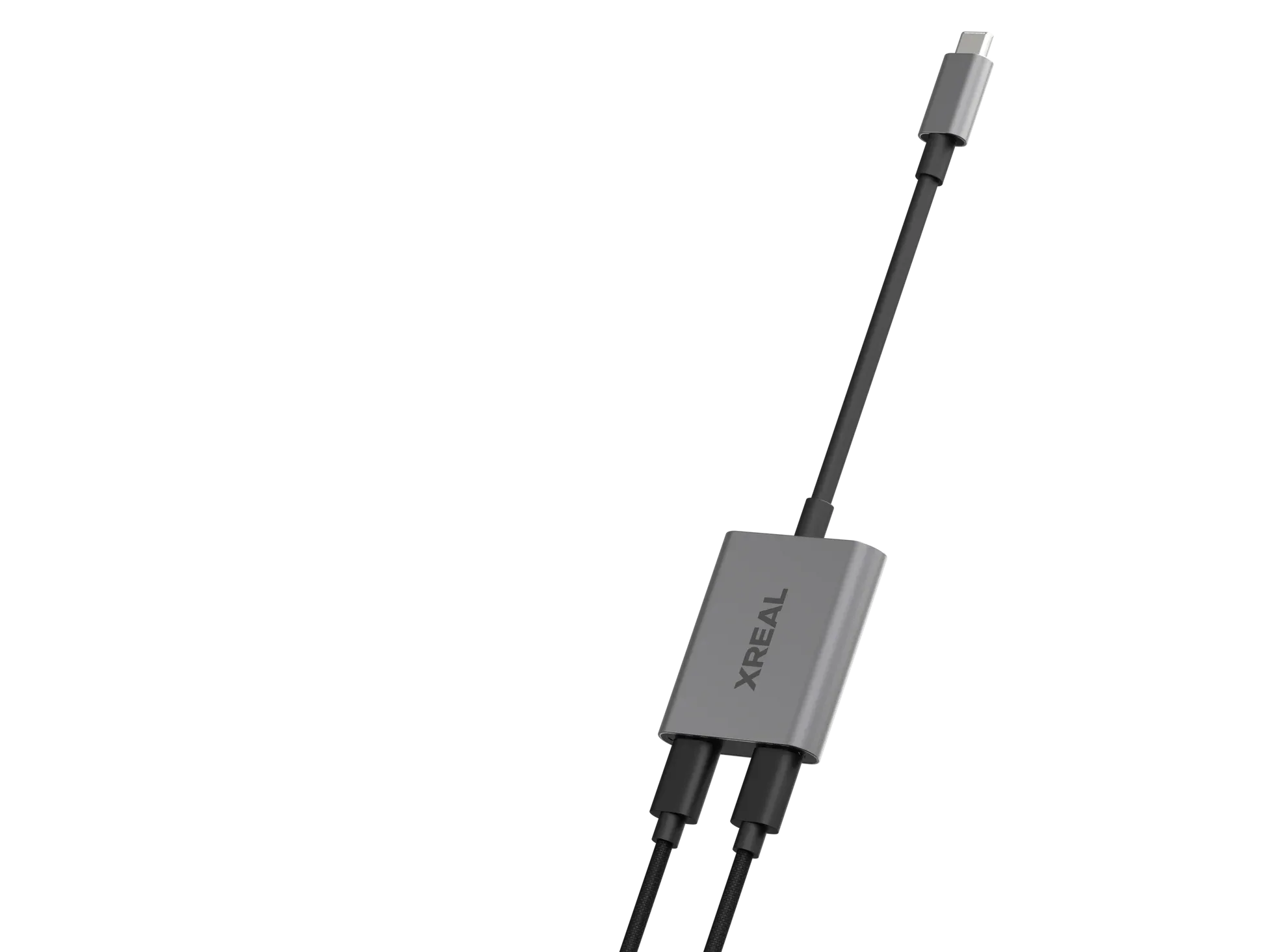
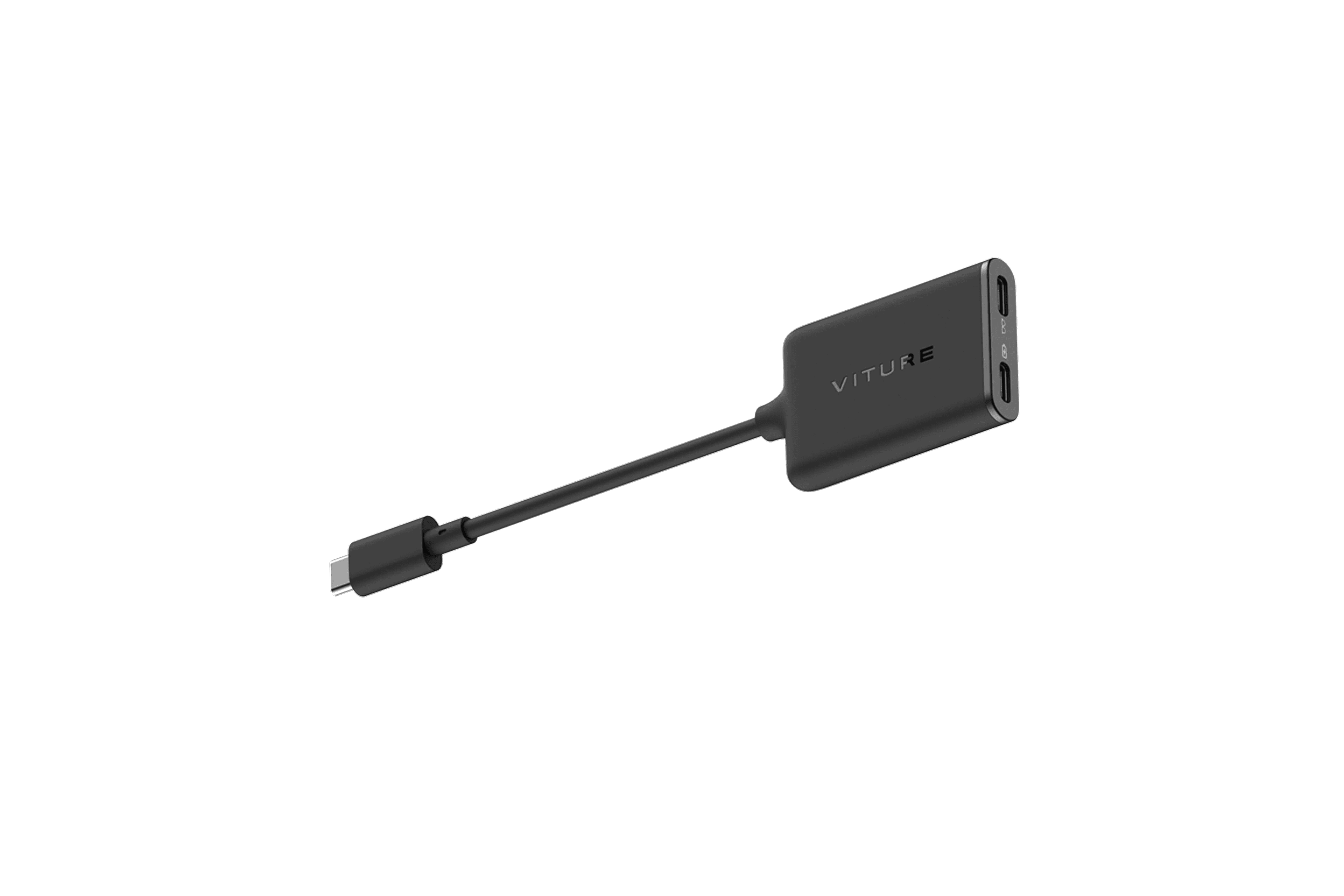
The details that stall a rollout are often practical ones. Display glasses need a host with DisplayPort video output over USB-C, which rules out some laptops and most budget phones, and a long session drains a phone unless a USB-C hub keeps it charged. We check that first. AR glasses sit alongside AI and assisted-reality devices in our wider glasses range; tell us your host devices, headcount and workflow, and we will send a quote within one business day.
AR glasses focus on visuals: spatial overlays or a large private display. AI glasses focus on everyday AI features such as translation and captions in a normal frame. Smart glasses and assisted-reality devices focus on hands-free field and remote support work. Some devices overlap across categories.
AR glasses add digital content to the real world or project a large private virtual screen. In business, they range from tethered display glasses that create a big private screen from a laptop or phone to standalone AR headsets that overlay spatial instructions for guided work.
Uses include a large private screen for mobile productivity, demos and training, and spatial AR for guided work instructions, digital twins, inspection and hands-free remote support in industrial settings.
AR display glasses are tethered over USB-C and project a virtual screen from a host device, with no onboard computer. Standalone AR headsets run their own software and add 6DoF spatial tracking for anchored AR, but they are heavier and cost more.
Both project a large private screen over USB-C. XREAL leads on display brightness and clarity (One Pro, 1S), while VITURE adds features such as 6DoF spatial tracking (Luma Ultra), built-in focus (Luma Pro) and the widest, brightest screen (Beast). VR Expert AI can advise on the right fit.
The HMS SiNGRAY G2 is a standalone enterprise AR headset with dual Micro-OLED displays, 6DoF tracking, an IP65 build and a hot-swappable battery. Unlike tethered display glasses, it is built for industrial AR, remote support and HoloLens 2 migration.
VR Expert AI carries XREAL (One Pro, 1S) and VITURE (Luma Pro, Luma Ultra, Beast) display glasses, and the standalone HMS SiNGRAY G2 industrial AR headset, covering mobile productivity and industrial use cases.
The standalone HMS SiNGRAY G2 offers dual Micro-OLED displays and switchable 6DoF tracking for anchored AR guidance, digital twins and remote support. It is positioned as a HoloLens 2 successor for industrial teams.
Many AR display glasses include a prescription lens frame or built-in focus adjustment, and standalone headsets can be fitted for prescription needs. Our specialists can confirm the right option for your device and team.
The XREAL One Pro, XREAL 1S and the VITURE Luma Pro, Luma Ultra and Beast create a large private screen over USB-C. The One Pro leads on brightness, the 1S on value and screen size, and the VITURE range on features such as 6DoF or built-in focus.
Display glasses need a compatible USB-C host device with DisplayPort output, such as a laptop, phone, tablet or console. Standalone AR headsets like the HMS SiNGRAY G2 run on their own and do not need a host device.
Yes. Display glasses suit traveling and hybrid teams who want a private screen anywhere, and standalone AR headsets suit industrial and field teams. VR Expert AI supplies and invoices them for teams.
Yes. VR Expert AI supplies AR glasses with volume pricing and business invoicing. Request a quote with your quantity and use case, and we will confirm pricing, lead times and availability.
Yes. As a B2B supplier, we offer volume pricing, business invoicing and quotes for pilots or fleet rollouts, plus datasheets and accessory options for teams.
VR Expert AI delivers across the EU and US with business support and expert advice on compatibility, accessories, software and deployment. Request a quote or a demo to get started.