









Multilingual meetings
Translated subtitles in the lens so nobody waits for an interpreter.
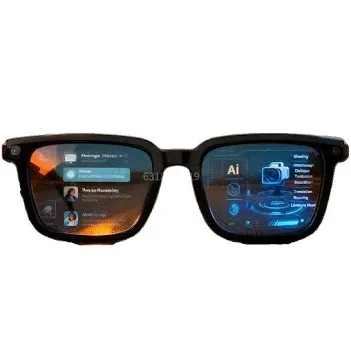
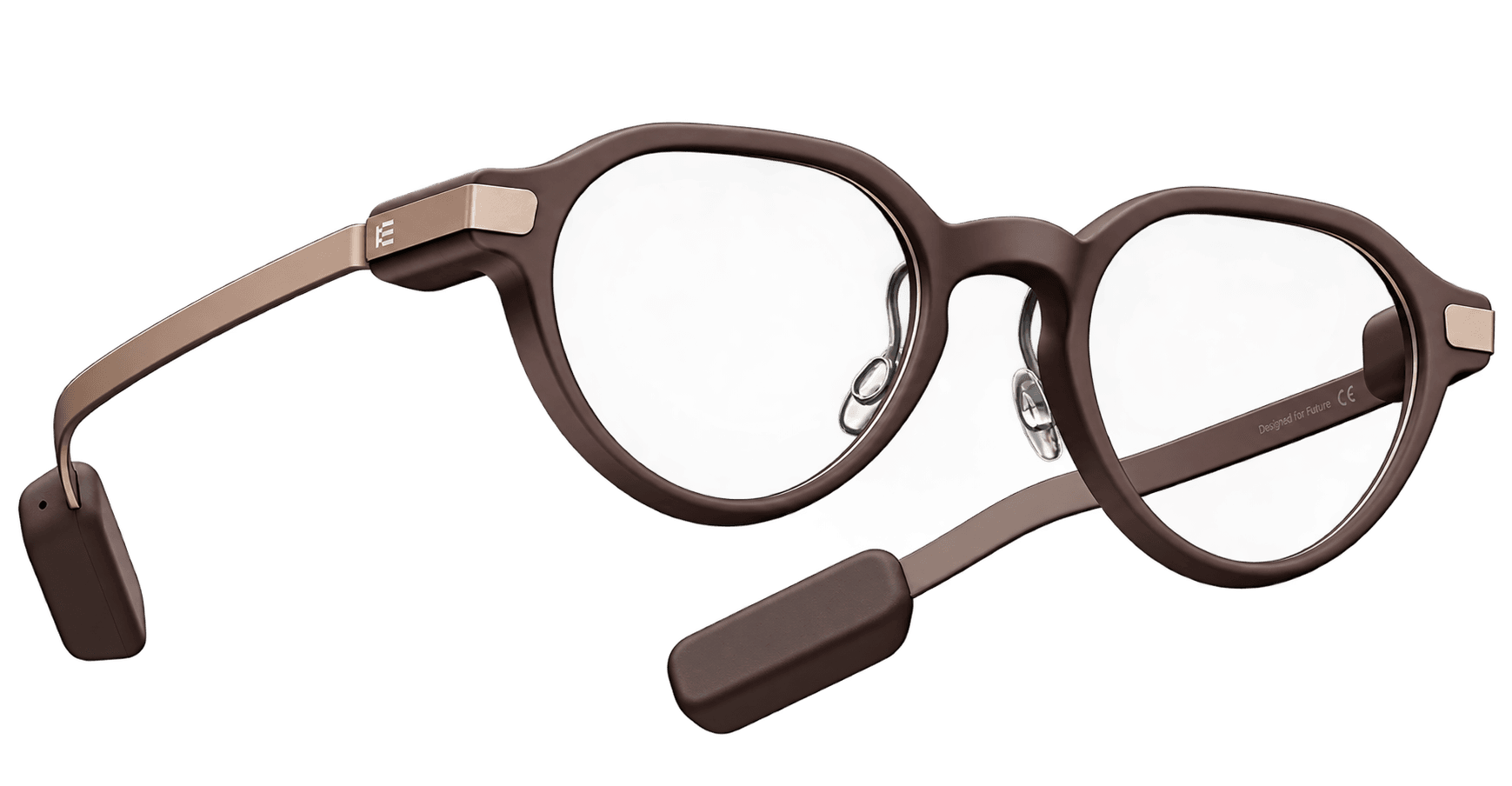
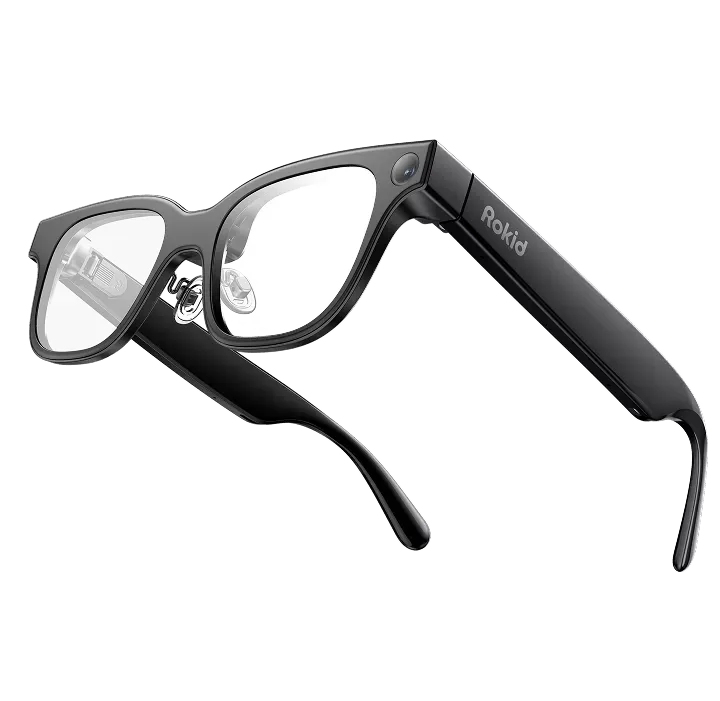
Translation glasses show real-time translated captions in the lenses so teams understand spoken language instantly. Compare the camera-free Even Realities G2 and the Rokid AI Glasses Enterprise, or browse all AI glasses and AI assistant glasses.
Multilingual meetings
Translated subtitles in the lens so nobody waits for an interpreter.
Customer-facing service
Serve visitors and clients in their own language at the desk.
Accessibility captions
Live captions for staff and guests who are deaf or hard of hearing.
Working on site abroad
Follow briefings and safety instructions on international projects.
Translation glasses put translated subtitles in the wearer's field of view as someone speaks. The Rokid AI Glasses Enterprise translates across more than 80 languages and runs standalone; the camera-free Even Realities G2 covers 33 languages in a frame that reads as ordinary eyewear. Both also work as captioning glasses, transcribing a conversation for meeting notes or for staff and visitors who are deaf or hard of hearing.
The value is not the translation itself, which a phone already does. It is that the subtitle sits in the line of sight, so the wearer keeps eye contact and both hands free instead of passing a handset back and forth. That matters in customer meetings, hospital intake, front-of-house and international sales, where looking down at a screen changes the conversation more than the language barrier does.
Language coverage is uneven and worth checking pair by pair. Some languages are one-way, some need the connected phone, and offline coverage varies by device and by language, which matters on aircraft, in basements and on secure sites. Direction of translation, latency and whether speech leaves the device for cloud processing are the questions IT and procurement will ask, and they are far easier to answer before a pilot than after it.
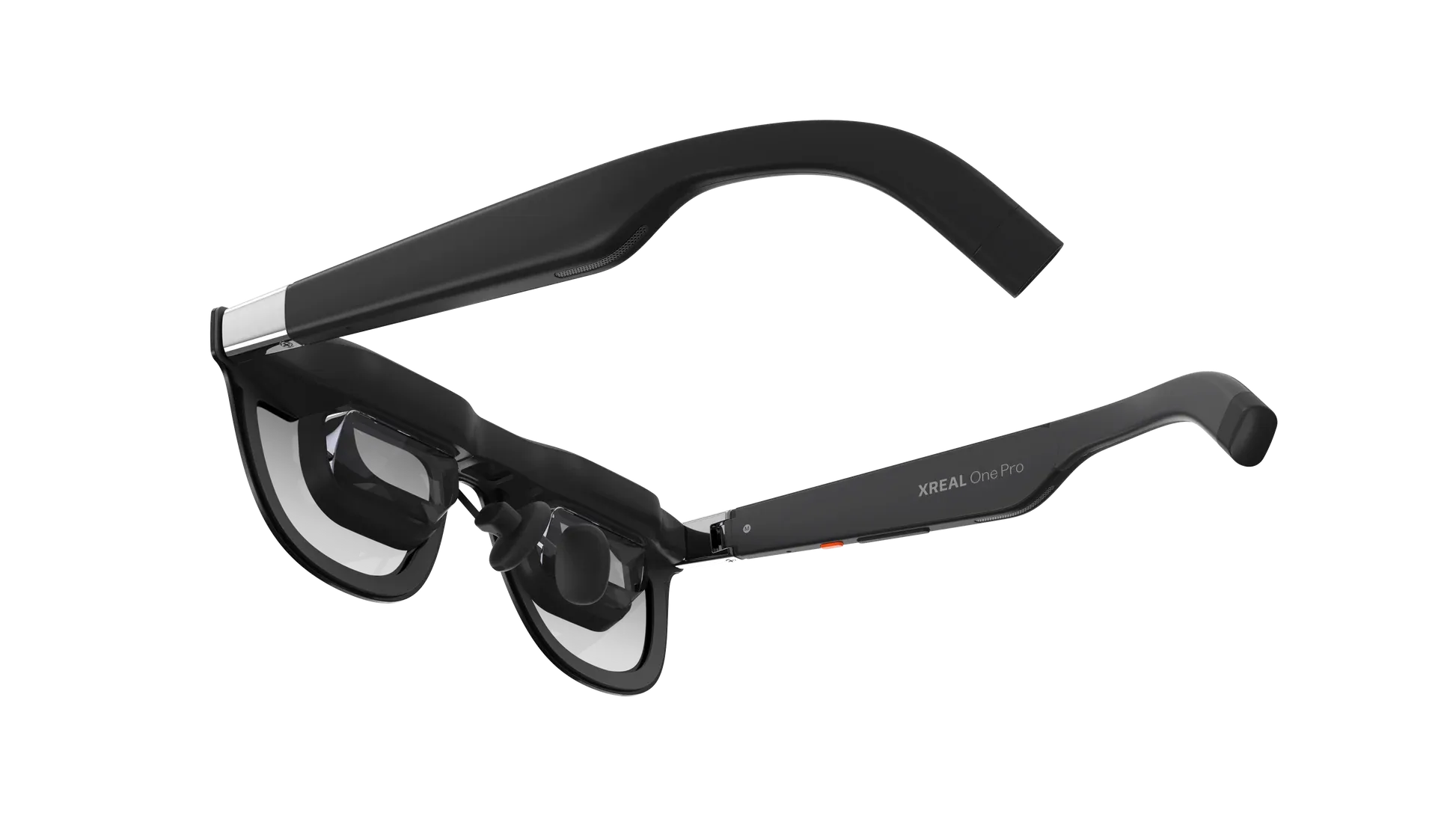
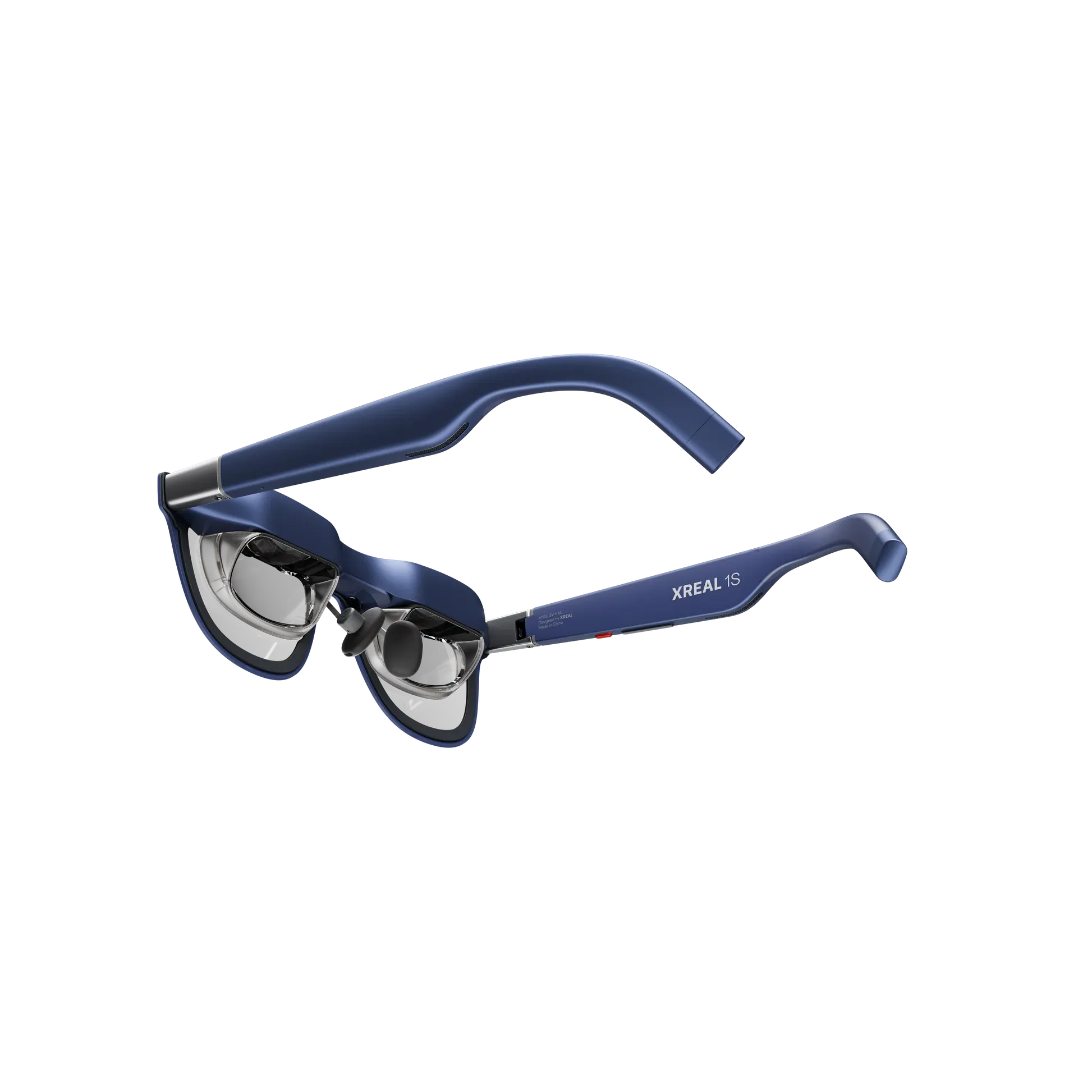
Where translation is the whole use case rather than one feature, dedicated live translation software such as the XRAI AR2 platform runs on compatible glasses and covers many more languages. Otherwise these are AI glasses that double as AI assistant glasses. VR Expert AI supplies them with volume pricing, business invoicing, prescription options and EU and US delivery across the glasses range.
Translation glasses are AI glasses that show real-time, translated subtitles in the lenses, so the wearer can understand spoken language instantly and hands-free. They suit multilingual meetings, customer conversations and international travel.
Yes. They help multilingual meetings, sales and support conversations and international travel by removing language friction, hands-free, without a separate device or interpreter.
They capture speech with built-in microphones, translate it in real time using on-device or connected AI, and display the translated captions in the user’s field of view. Some features use a connected phone or online services.
Choose the Even Realities G2 for a discreet, camera-free personal device, or the Rokid AI Glasses Enterprise for a standalone Android device with a camera, wider language support and an open SDK. VR Expert AI can advise.
Some translation runs on the device or offline, while more complex settings use cloud services for speed and accuracy. Offline coverage varies by device and language.
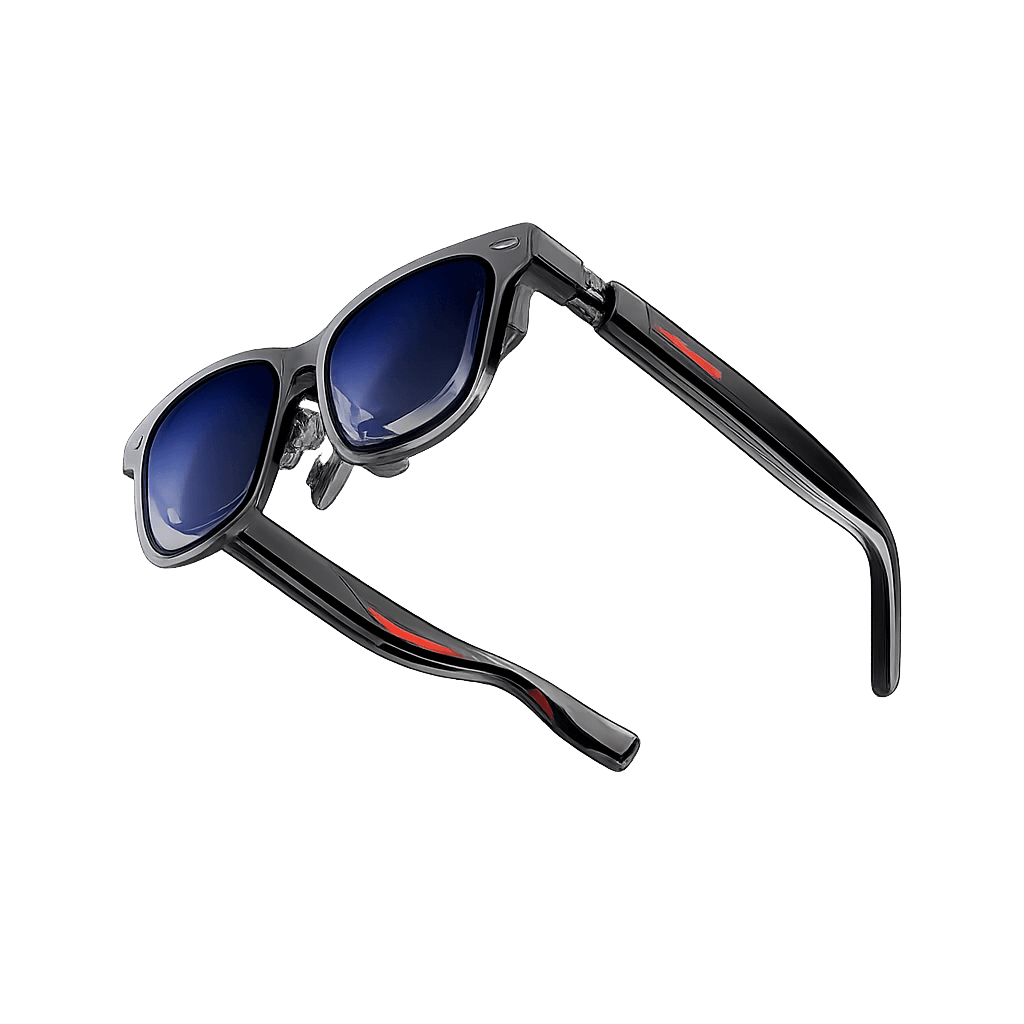
The Even Realities G2 is camera-free and looks like normal eyewear, which suits meetings, clinical and client settings where discretion and privacy matter.
The Rokid AI Glasses Enterprise translates across more than 80 languages, while the Even Realities G2 covers 33 languages. Some languages are one-way or need the connected phone.
Yes. As a B2B supplier we offer volume pricing, business invoicing and quotes for pilots or fleet rollouts, plus datasheets for procurement.
VR Expert AI delivers across the EU and US with business support and expert advice on device choice, accessories, software and deployment. Ask for a quote or a demo to get started.
Yes. VR Expert AI supplies translation glasses with volume pricing and business invoicing. Request a quote with your quantity and use case and we will confirm pricing, lead times and availability.
Yes. Most translation glasses also provide live captions and transcription of conversations, which supports accessibility and meeting notes as well as translation.
Yes. Both the Even Realities G2 and Rokid AI Glasses Enterprise support prescription options, via custom lenses or magnetic inserts. Our specialists can advise on fitting a team.
VR Expert AI offers the Even Realities G2 and the Rokid AI Glasses Enterprise for live translation, plus the XRAI AR2 software platform for dedicated captioning and 300+ language translation on compatible glasses.
Yes. Live captions support deaf and hard-of-hearing staff and visitors, and translation supports multilingual teams. For a dedicated accessibility platform, ask about the XRAI AR2.
Yes. Organizations deploy translation glasses to sales, support, healthcare and international teams. VR Expert AI supplies and invoices them for teams with volume pricing.