






What is virtual reality?
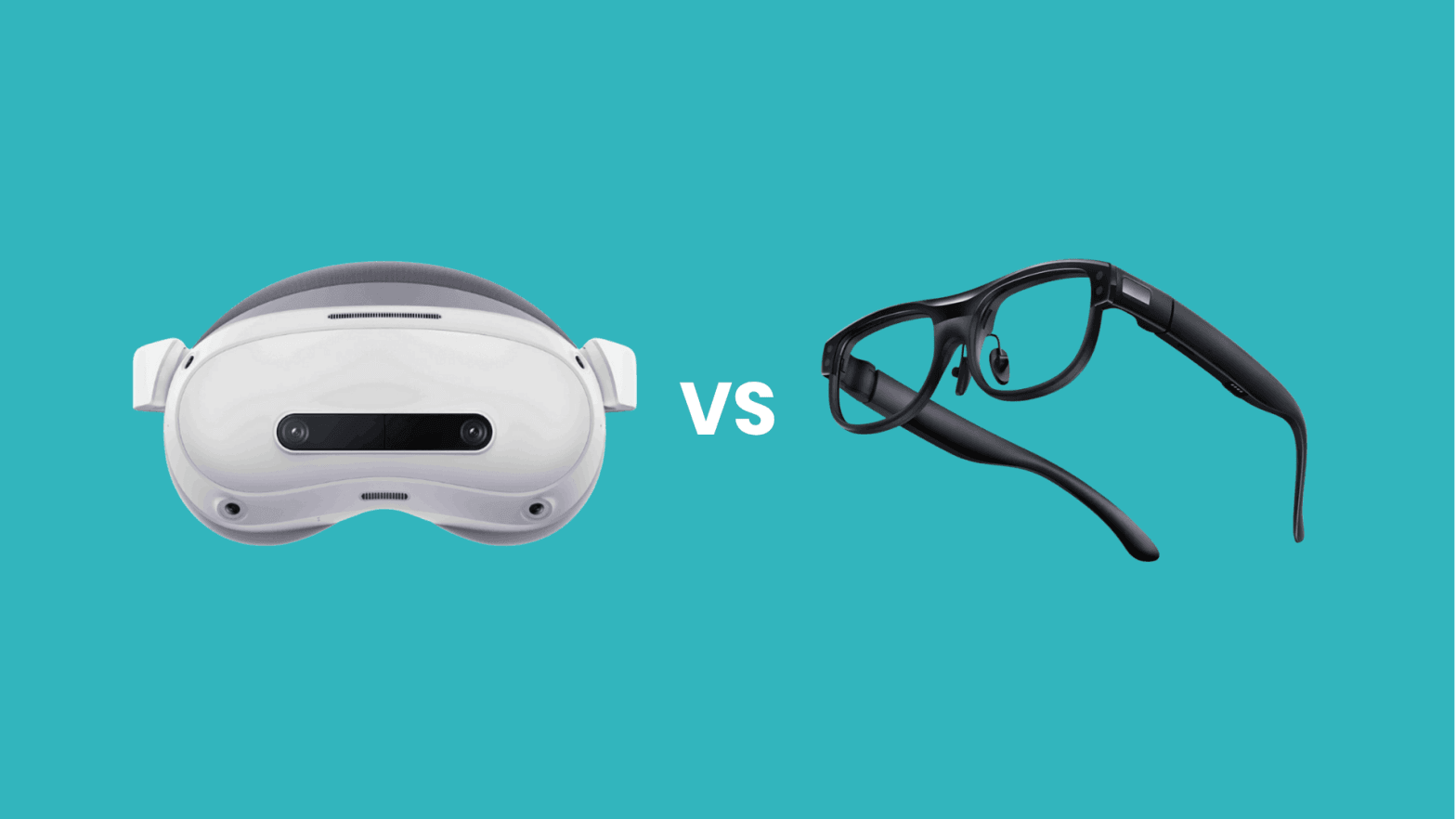
Virtual reality fully immerses users in a digital environment through a VR headset. This allows companies to simulate situations that are too dangerous, expensive, or impractical to recreate in real life.
It's widely used for training, design validation, and presentations.
For example, Italdesign uses high-end VR to review vehicle designs before production, eliminating physical prototypes and speeding up iteration. In another case, companies like Vobling use standalone headsets to deliver scalable safety training without risk. Energy provider VERBUND even recreates entire hydropower plants in VR, making complex environments accessible for both training and presentations.
The pattern is clear: VR works best when you need full control over an environment.
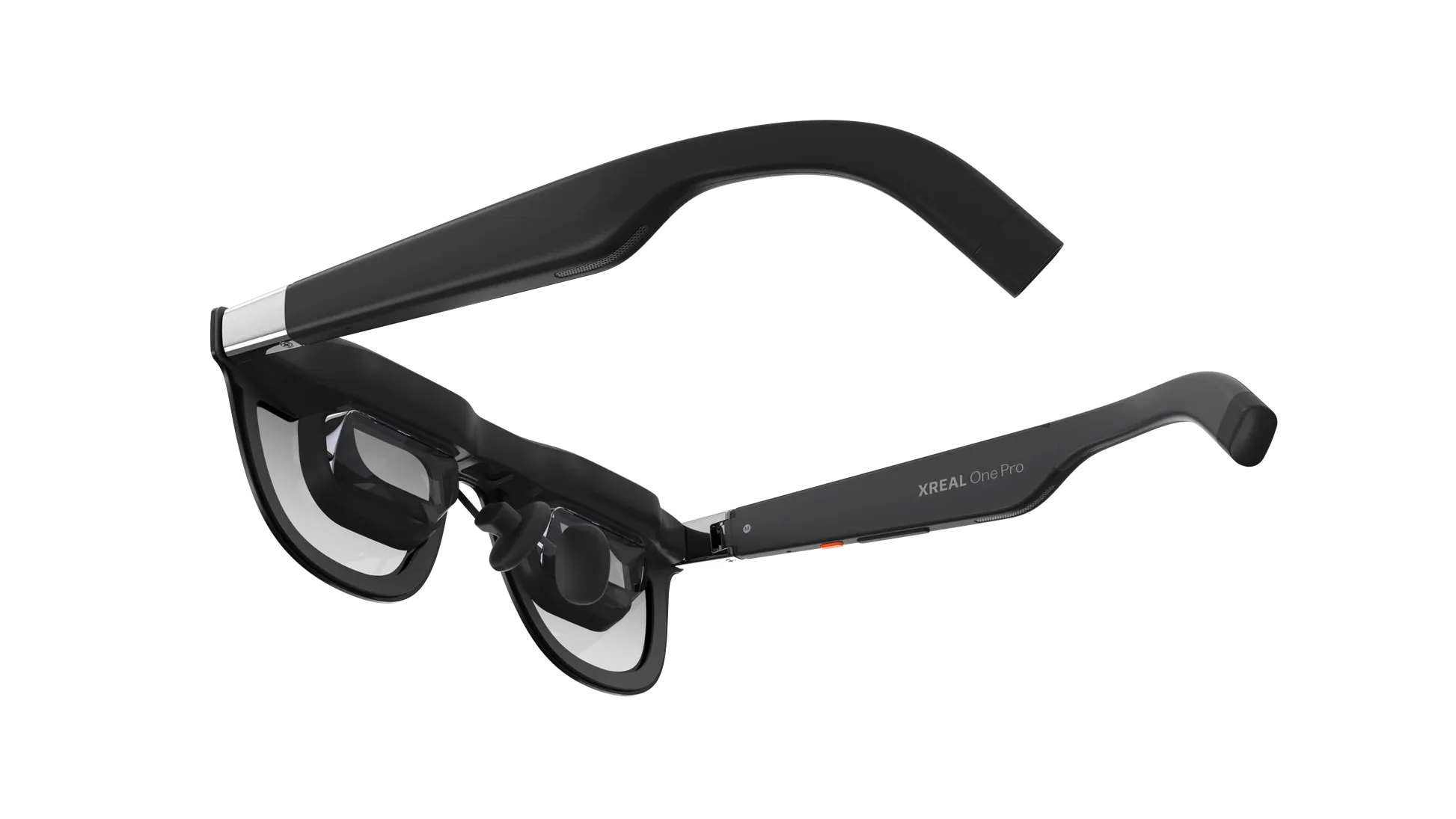
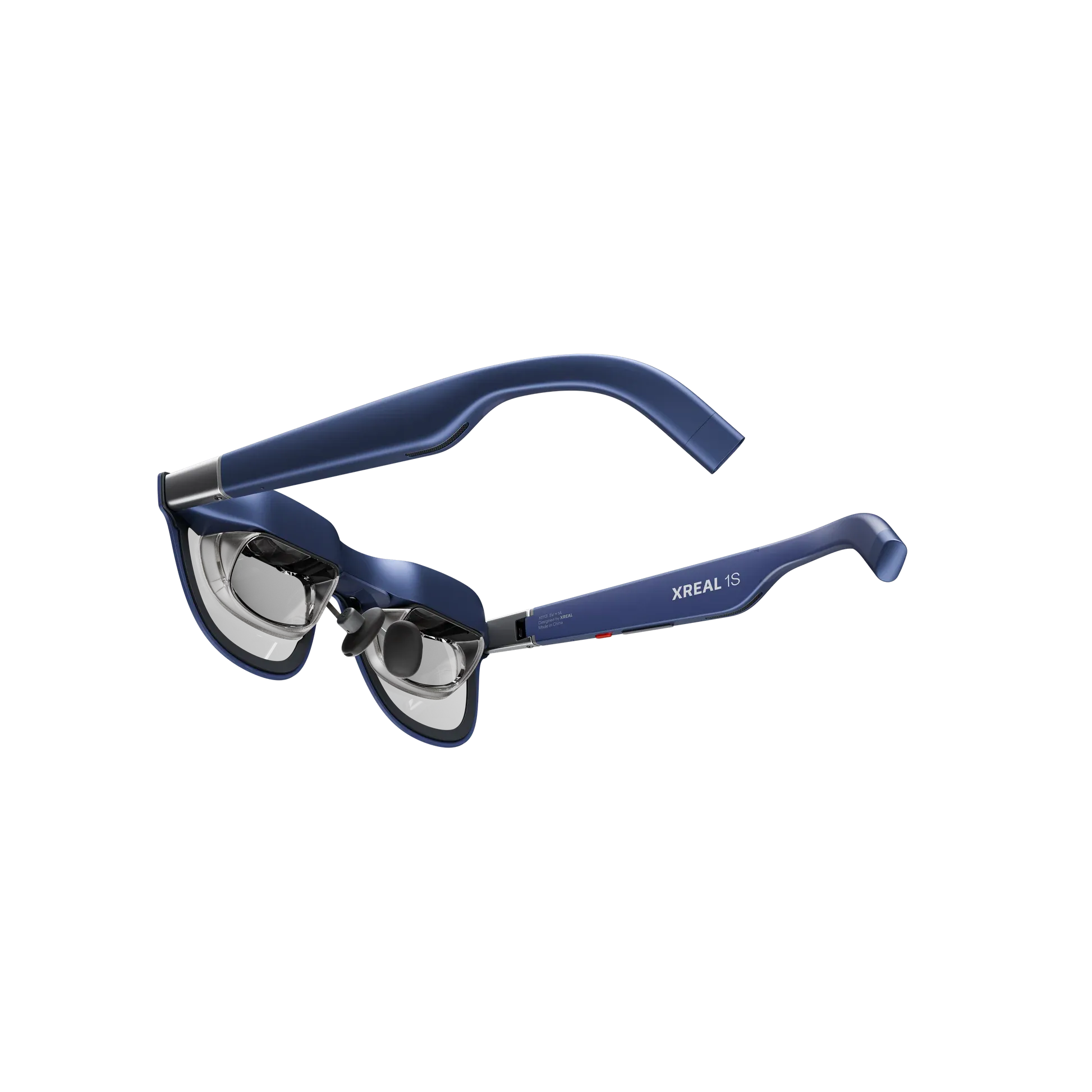
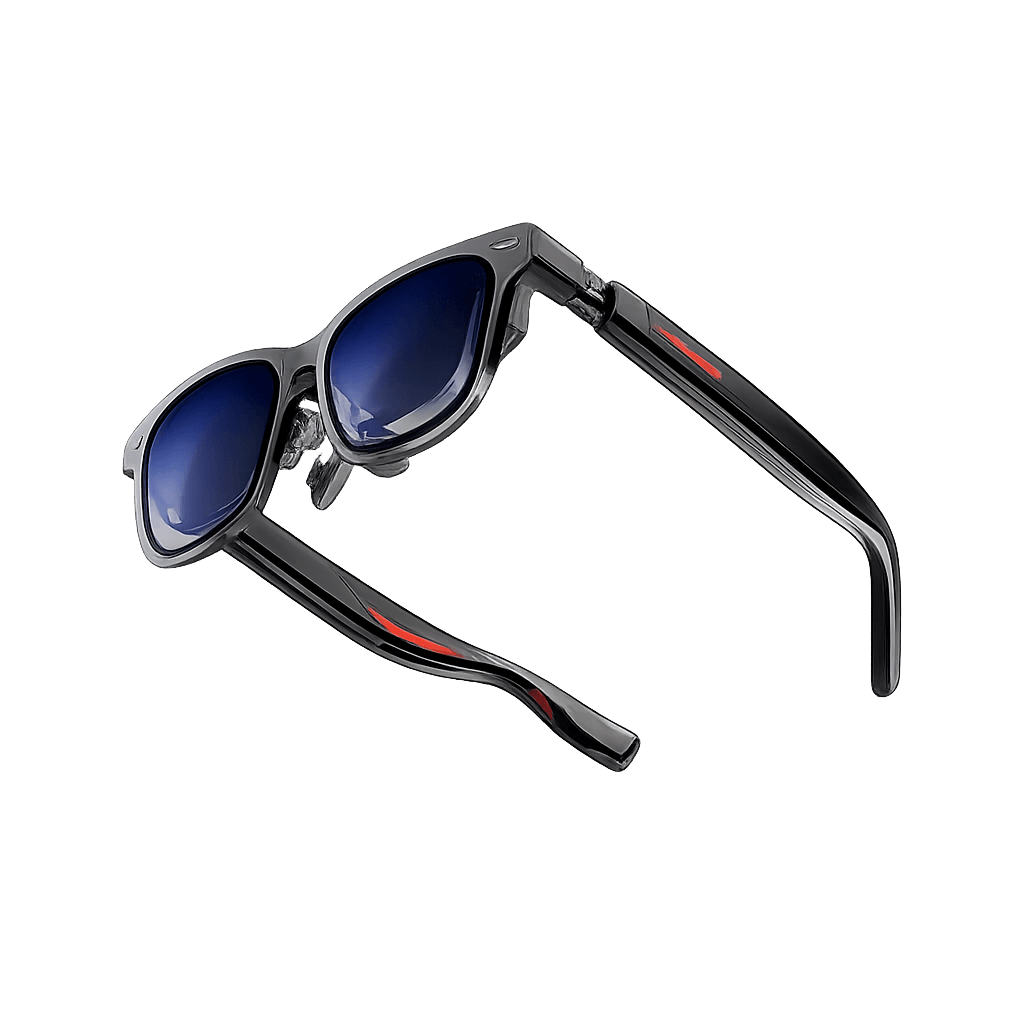
What are augmented reality smart glasses?
AR smart glasses add digital information to the real world instead of replacing it. Workers can access instructions, documentation, or remote support while keeping their hands free.
This makes them highly effective in field service, maintenance, and operational environments.
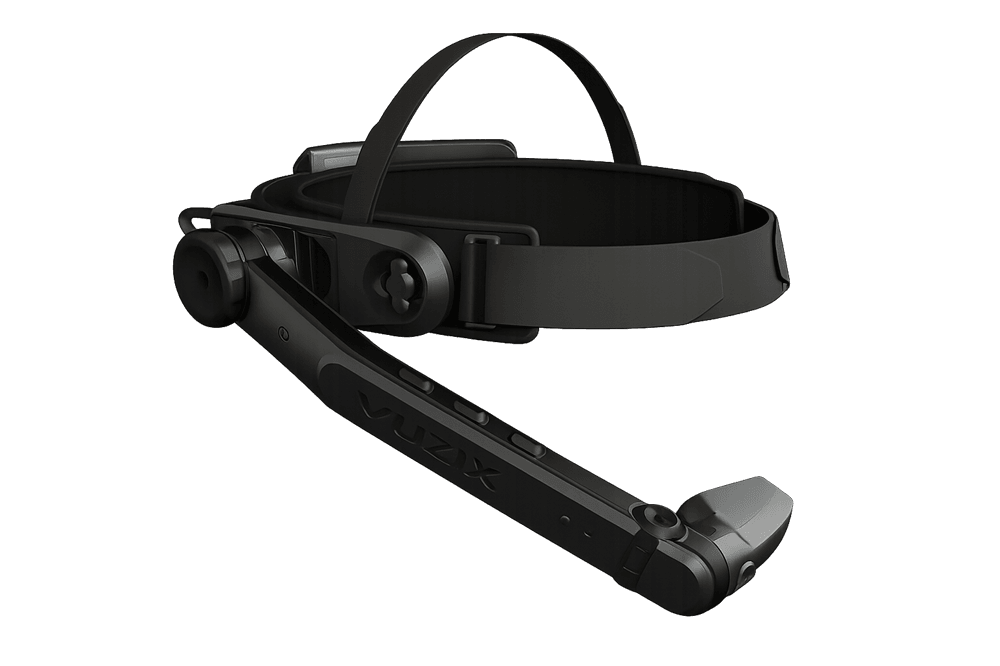
For instance, Lumnio enables technicians to receive real-time guidance through devices like RealWear and Vuzix, reducing downtime and improving first-time fix rates. In a completely different setting, Solaax uses smart glasses to scan event tickets almost instantly, speeding up access control. Meanwhile, De Groot Installatiegroep supports technicians on-site with live workflows and remote assistance.
AR delivers value directly during execution, not before it.
Devices and software
On the VR side, businesses typically choose between standalone headsets like the Meta Quest 3 or Pico 4 Enterprise, and high-end devices such as the Varjo XR-3 for advanced simulations. These are often paired with platforms like Unity or Unreal Engine and managed through enterprise device management tools.
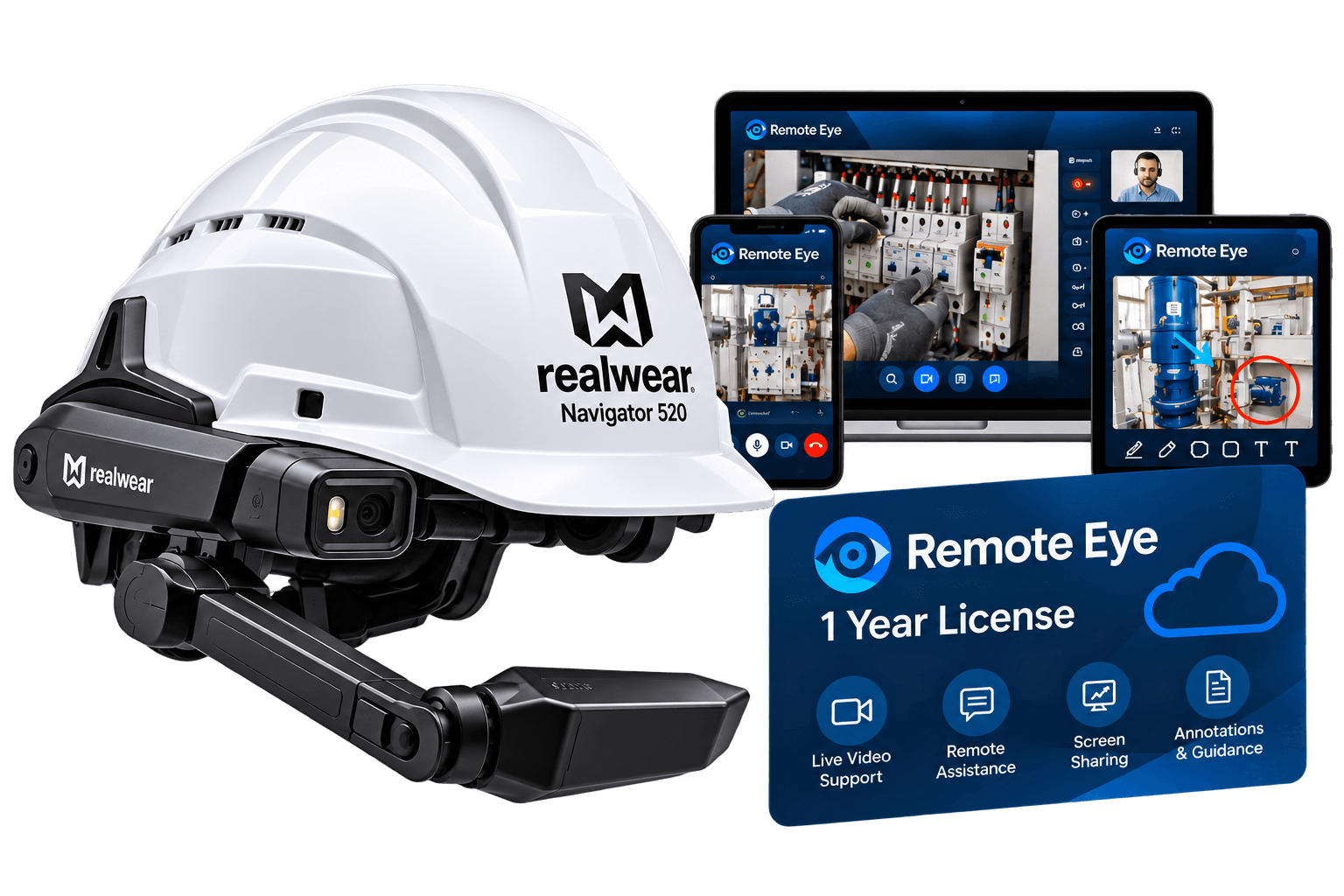
AR smart glasses, such as the RealWear Navigator series or Vuzix devices, are designed for real-world use. They integrate with remote support software, workflow tools, and existing enterprise systems, making them easier to embed into daily operations.
VR vs. AR smart glasses: key differences
Aspect | Virtual reality (VR) | AR smart glasses
Environment | Fully digital | Real world with overlays
Use case focus | Training, simulation, presentation | Field work, support, operations
Interaction | Immersive, isolated | Hands-free, real-time
Deployment | Controlled environments | On-site, mobile use
ROI driver | Scalability and repeatability | Efficiency and reduced downtime
Which one should your business choose?
If your focus is training, simulation, or presenting complex environments, VR is the stronger option. If your priority is improving efficiency on the job and supporting workers in real time, AR smart glasses make more sense.
In practice, many companies use both. VR prepares employees, while AR supports them during execution.
If you are unsure which setup fits your use case, it is worth getting expert advice before making a decision.
Not sure whether VR or AR fits your workflow? VR Expert AI stocks the leading AI glasses for business and supports pilots and rollouts across the EU and US.