


What Is the Xreal One Pro?
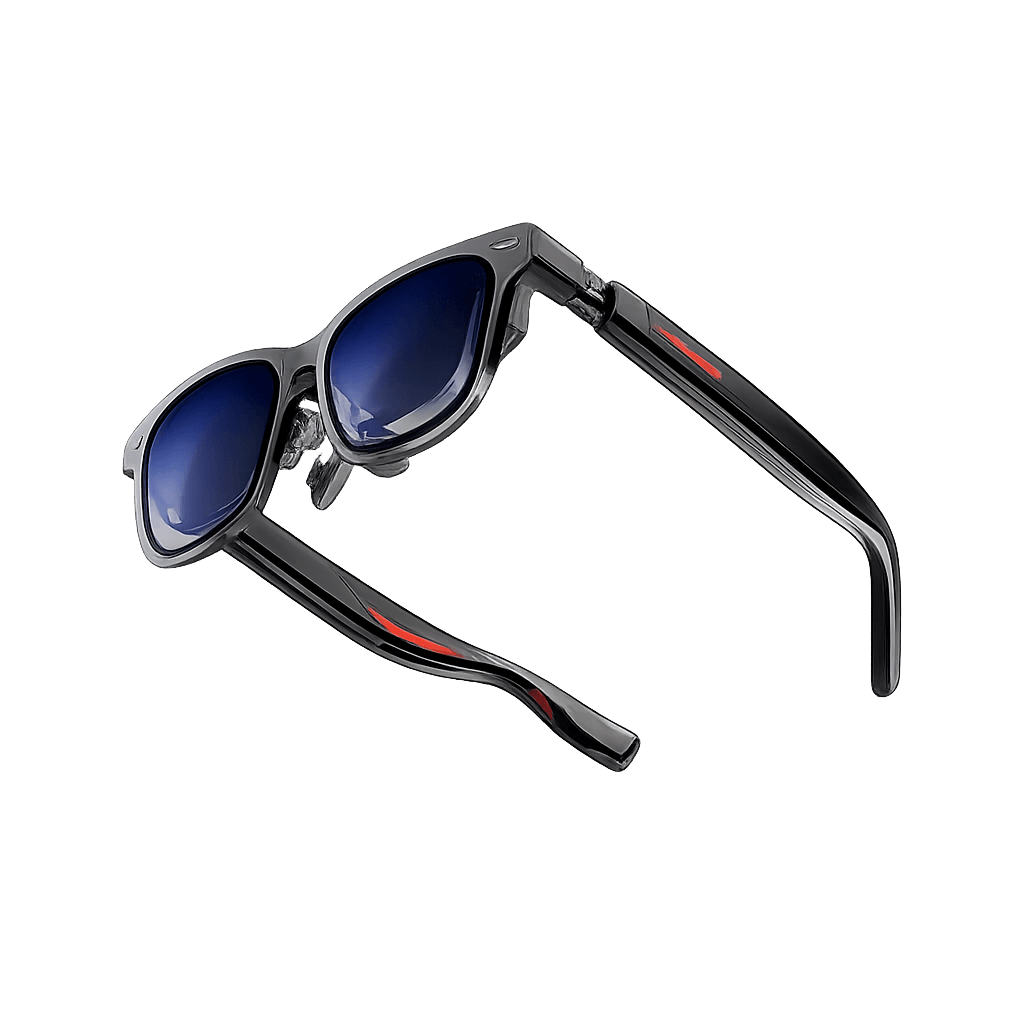
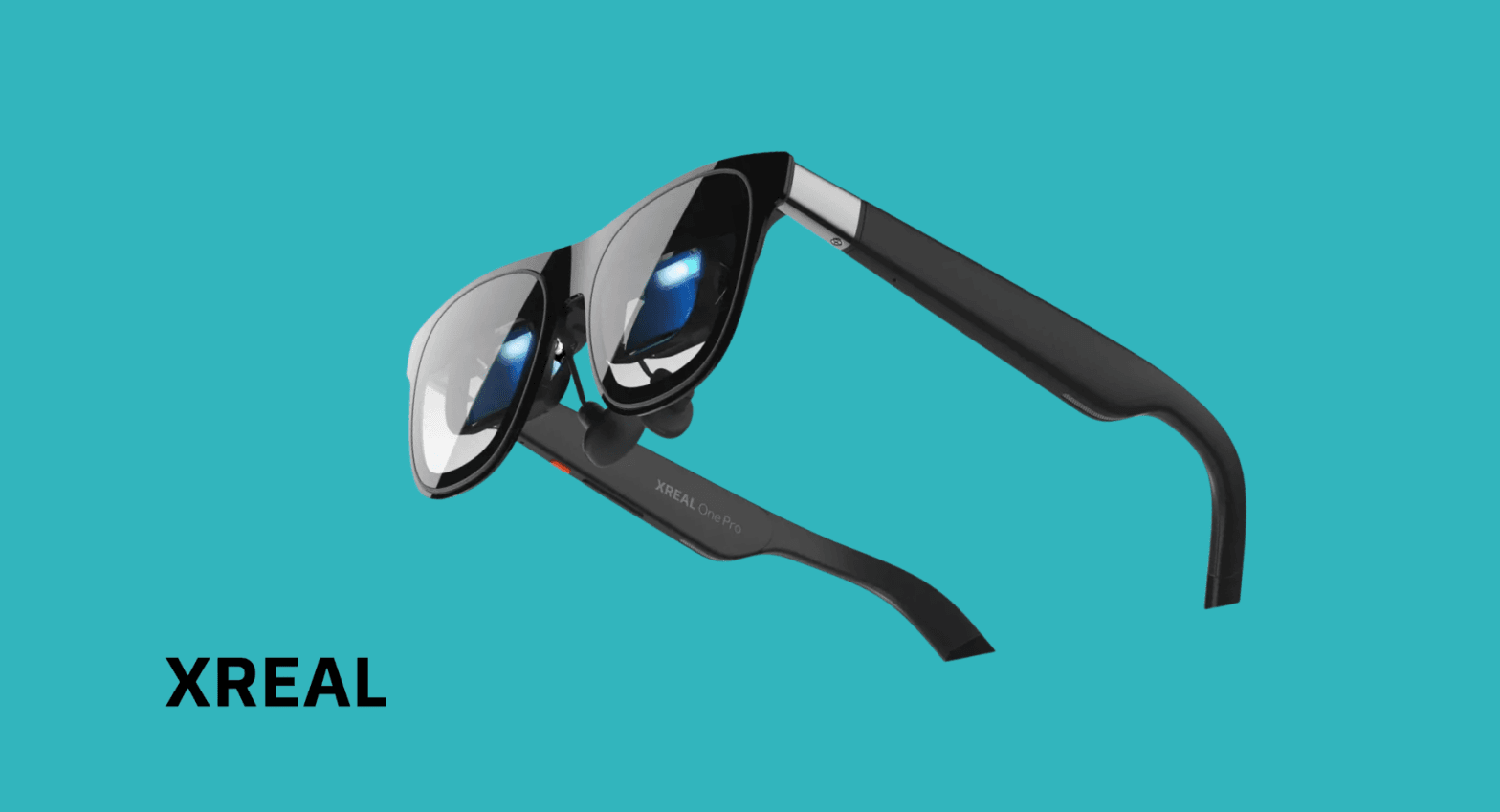
The Xreal One Pro is a wearable external display that projects a large virtual screen in front of the user using Sony Micro-OLED technology. The device connects to compatible laptops, smartphones, handheld gaming devices, and consoles via USB-C DisplayPort Alt Mode.
Unlike many AR devices that aim to deliver full spatial computing experiences, the One Pro focuses on providing a stable, high-quality visual workspace in a lightweight form factor.
Key improvements over earlier Xreal models include:
- Dedicated X1 spatial chip for improved image stability
- Larger Sony Micro-OLED panels for increased brightness and clarity
- Three-level electrochromic dimming for flexible light control
- Improved ergonomics for longer sessions
Hardware design built for longer sessions
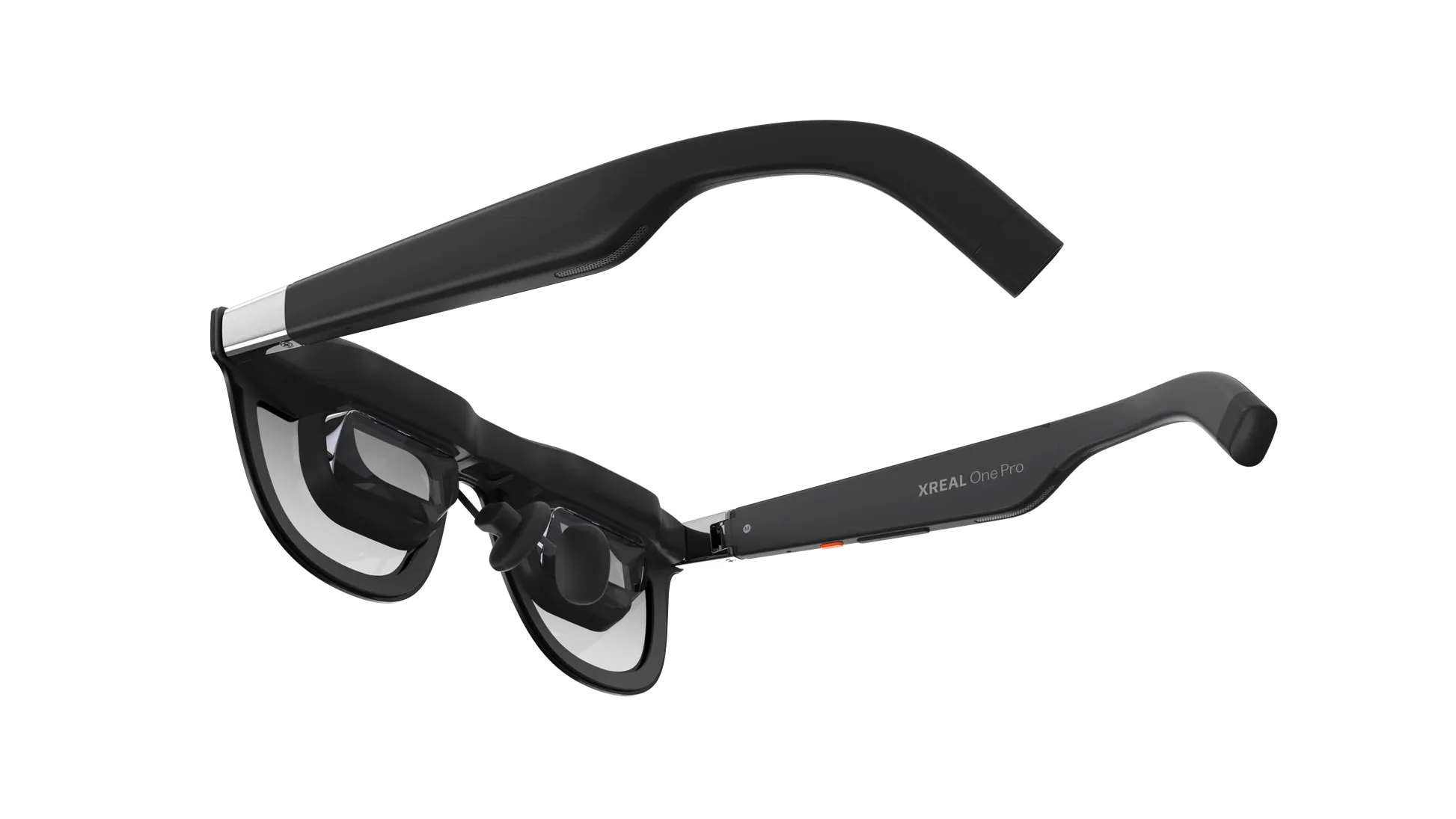
The design resembles premium sunglasses, while internal improvements make the device better suited to professional use.
Balanced weight distribution
At approximately 75 g, the glasses maintain a balanced weight distribution that reduces pressure on the nose. Compared to traditional VR headsets, which often weigh between 450 g and 600 g, this significantly improves comfort during extended use.
Air-finned nose pads
Updated silicone nose pads distribute pressure more evenly, helping reduce fatigue during longer work sessions.
Directional audio system
Integrated speakers provide clear audio while reducing sound leakage, making the device suitable for video calls or media consumption in shared environments.
Core features
X1 spatial chip
The Xreal One Pro introduces the X1 spatial chip, which processes head tracking and image stabilization directly on the device instead of relying solely on the connected computer or smartphone.
This results in very low latency and improved visual stability, allowing virtual screens to stay anchored in space even as the user moves their head. This stability is especially valuable when working with text, spreadsheets, or design tools.
Sony Micro-OLED display
The One Pro uses dual 0.68-inch Sony Micro-OLED panels, larger than the 0.55-inch panels found in many earlier wearable displays.
Key characteristics include:
- Peak brightness of up to 700 nits
- 57-degree field of view
- Refresh rate of up to 120 Hz
- Perceived screen size comparable to a large monitor viewed from several meters away
The increased brightness supports use in brighter environments, while the field of view enhances immersion without the bulk of a VR headset.
Electrochromic dimming
A physical button on the right temple lets users adjust the lens tint instantly.
Available modes include:
- Transparent mode for environmental awareness
- Mid-level tint for mixed lighting conditions
- Full dimming mode for distraction-free viewing
This flexibility allows the One Pro to function both as a productivity tool and as a private viewing display.
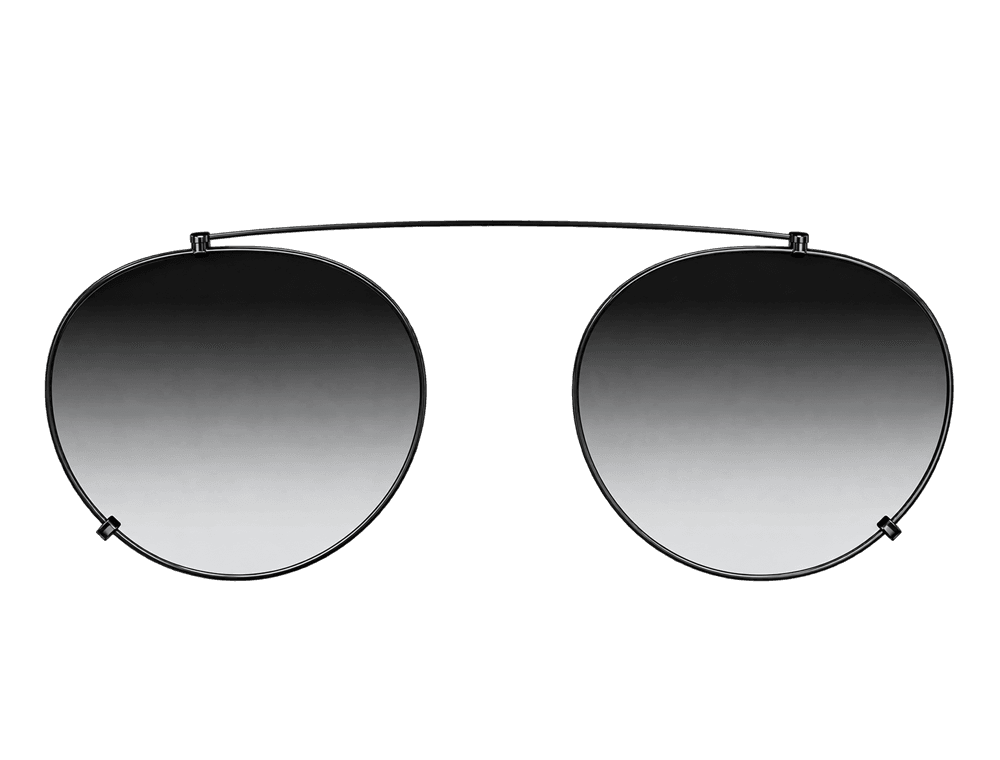
Prescription lens support for nearsightedness
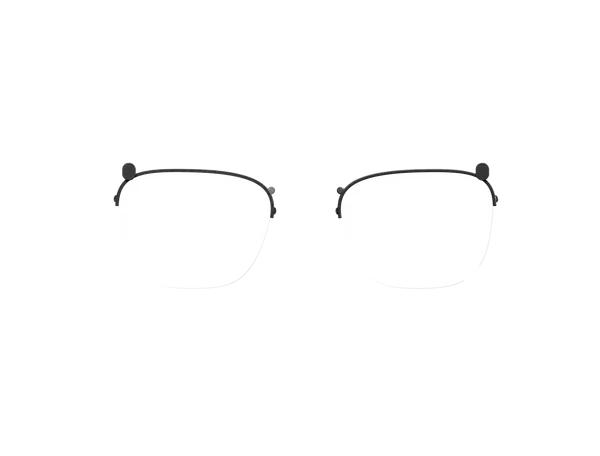
Instead of integrated diopter adjustments, Xreal uses a prescription lens insert system.
Although this requires custom lenses, the approach supports:
- Edge-to-edge clarity
- Stronger prescriptions
- Astigmatism correction
- Consistent focus across the entire virtual screen
This is particularly beneficial for professionals who need to read detailed text in virtual desktop environments.
Productivity and enterprise use cases
The Xreal One Pro is particularly well suited to professionals who need additional screen space while staying mobile.
Portable multi-monitor setup
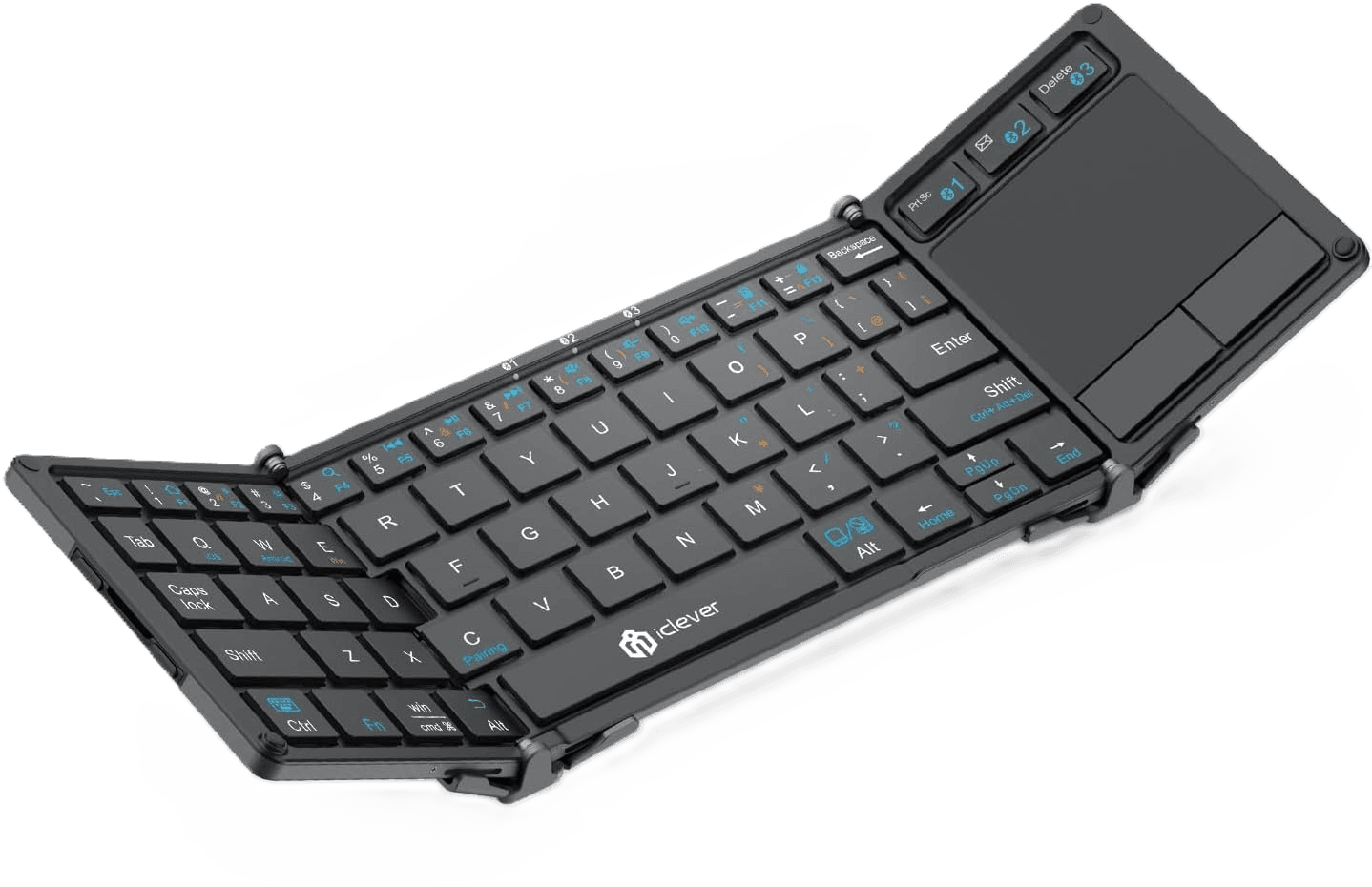
Using Nebula software, users can position multiple virtual displays around them, allowing a laptop to function as a multi-monitor workstation without the need for physical screens.
Travel-friendly workstation
Consultants, analysts, and remote workers can maintain a large digital workspace on trains or airplanes without carrying additional monitors.
Development and testing workflows
Developers can connect the glasses directly to laptops or handheld gaming devices using USB-C DisplayPort Alt Mode.
Media and gaming
The high refresh rate and large perceived display size create an immersive viewing experience for movies and games without the need for a TV or monitor.
Device compatibility
The Xreal One Pro works with devices that support USB-C DisplayPort Alt Mode, including:
- Windows laptops
- MacBook devices
- Android smartphones with video output support
- Steam Deck
- ASUS ROG Ally
- Gaming consoles with compatible adapters
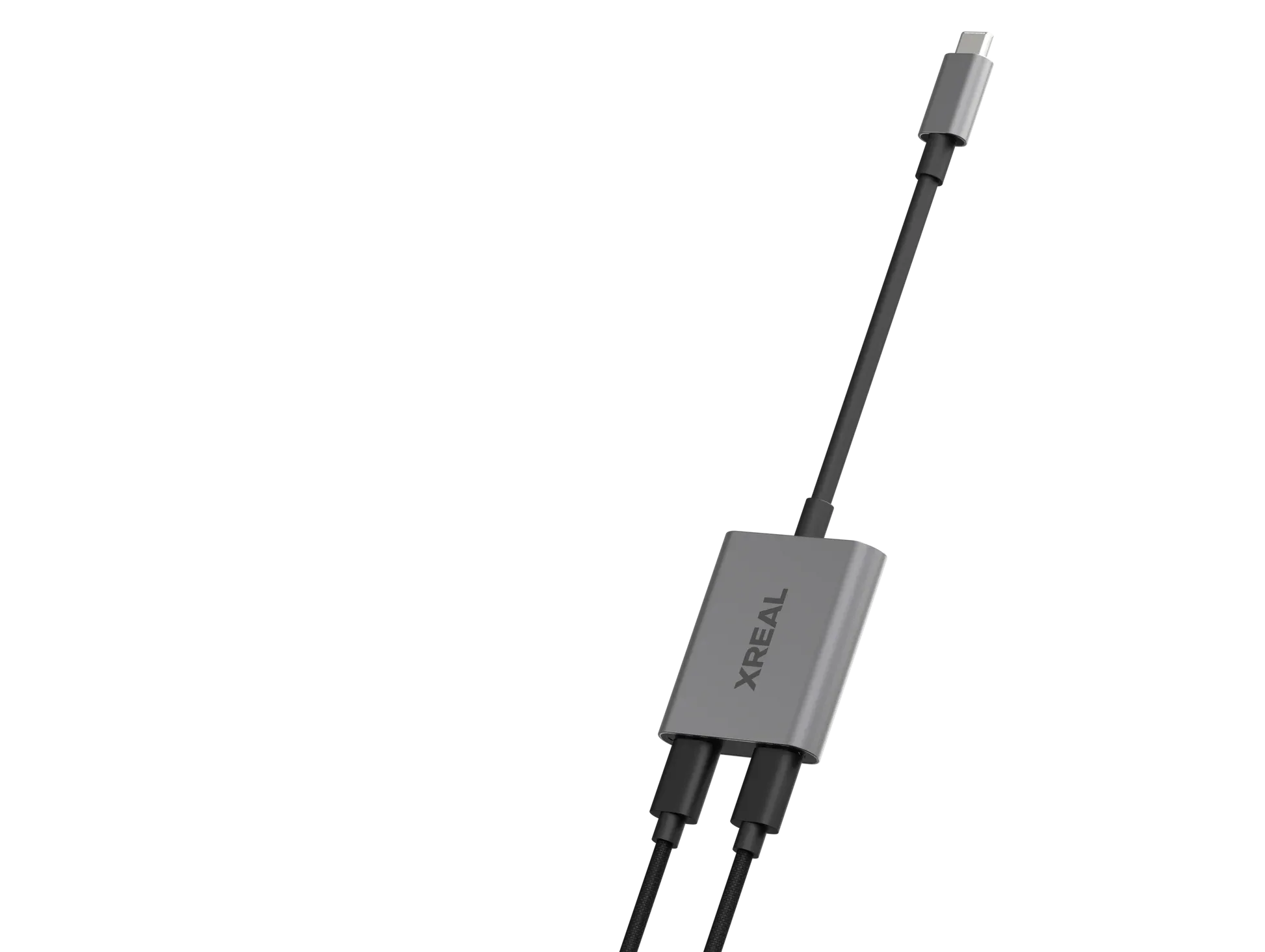
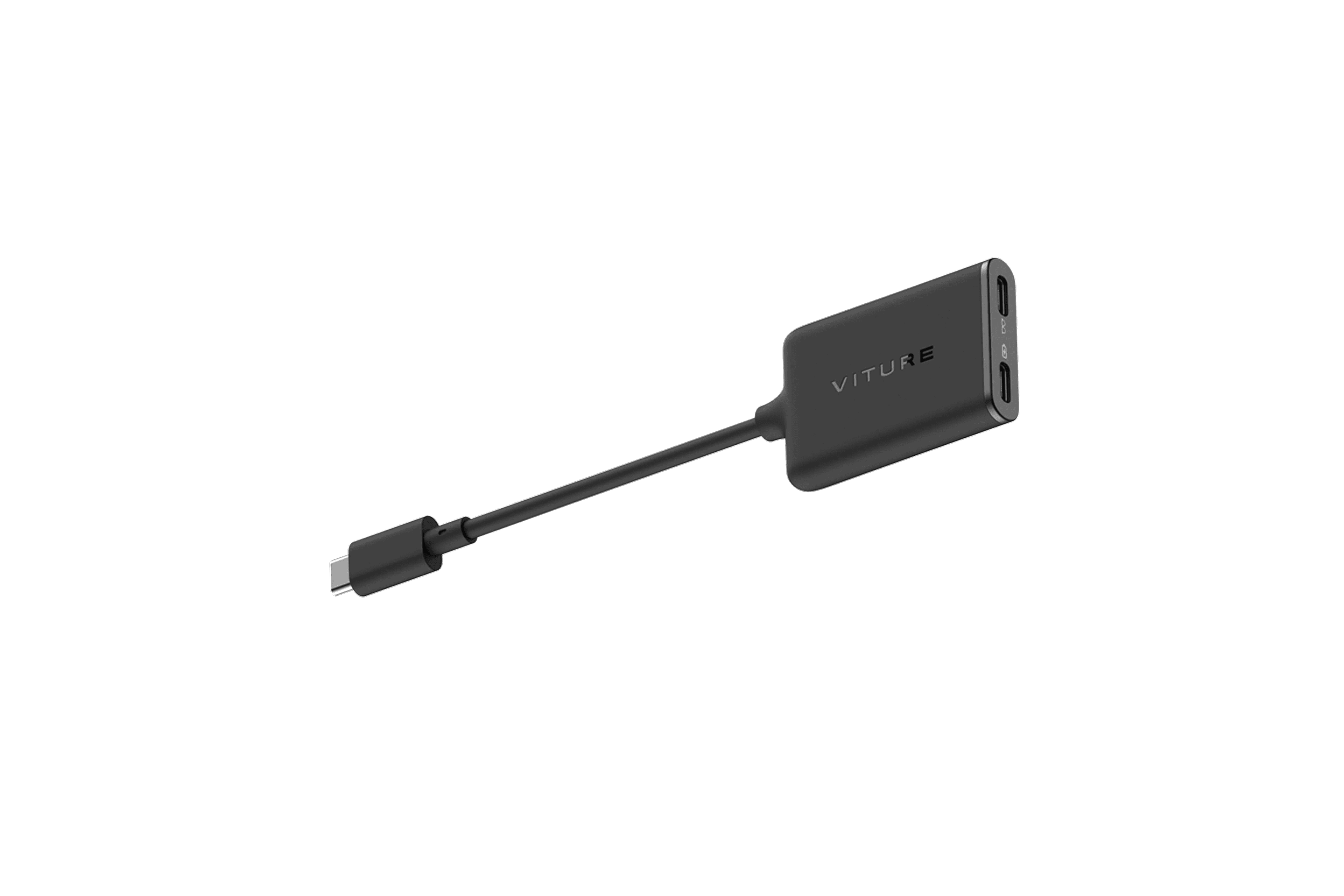
Some devices may require adapters, depending on the available ports.
Limitations to consider
While the One Pro is one of the most advanced wearable displays currently available, it does have some limitations:
- Not a standalone AR headset
- Requires a wired connection to a compatible device
- Prescription insert required for users with nearsightedness
- Field of view is smaller than that of VR headsets
- Nebula software availability varies by operating system
These limitations are typical of the current generation of wearable display technology.
Technical specifications
Specification | Value
Display | Dual 0.68″ Sony Micro-OLED
Resolution | 1920 × 1080 per eye (Full HD)
Peak Brightness | Up to 700 nits
Field of View (FOV) | 57°
Refresh Rate | Up to 120 Hz
Processor | X1 Spatial Chip (Dedicated)
Dimming | Electrochromic (3 levels)
Audio | Integrated directional speakers (tuned by Bose)
Connectivity | USB-C DisplayPort Alt Mode
Weight | Approximately 75 g
Comparison with alternative wearable displays
Compared to wearable displays such as the Viture XR and Rokid Max, the Xreal One Pro places a strong emphasis on visual stability and optical clarity. Its dedicated spatial chip sets it apart from many alternatives that rely more heavily on processing by the host device.
As a result, the device is positioned as a strong option for both productivity and media consumption.
Who should consider the Xreal One Pro?
The device is particularly well suited to:
- Remote professionals
- Frequent travelers
- Developers and testers
- Productivity-focused users
- Gamers looking for a portable large display
- Users who need prescription lenses
It may be less suitable for users looking for fully standalone AR functionality or an immersive, VR-level field of view.
Final thoughts
The Xreal One Pro represents a mature step forward in wearable display technology. Rather than overpromising full augmented reality functionality, it focuses on delivering a stable, high-quality virtual screen experience in a lightweight, portable form factor.
For professionals and enthusiasts looking for a portable multi-monitor solution, the One Pro offers a strong balance of performance, comfort, and practicality.
While the category continues to evolve, the Xreal One Pro sets a high benchmark for the wearable displays available today.
Want a portable multi-monitor setup for your team? VR Expert AI stocks the leading AI glasses for business and supports pilots and rollouts across the EU and US.