






What is XREAL AURA?
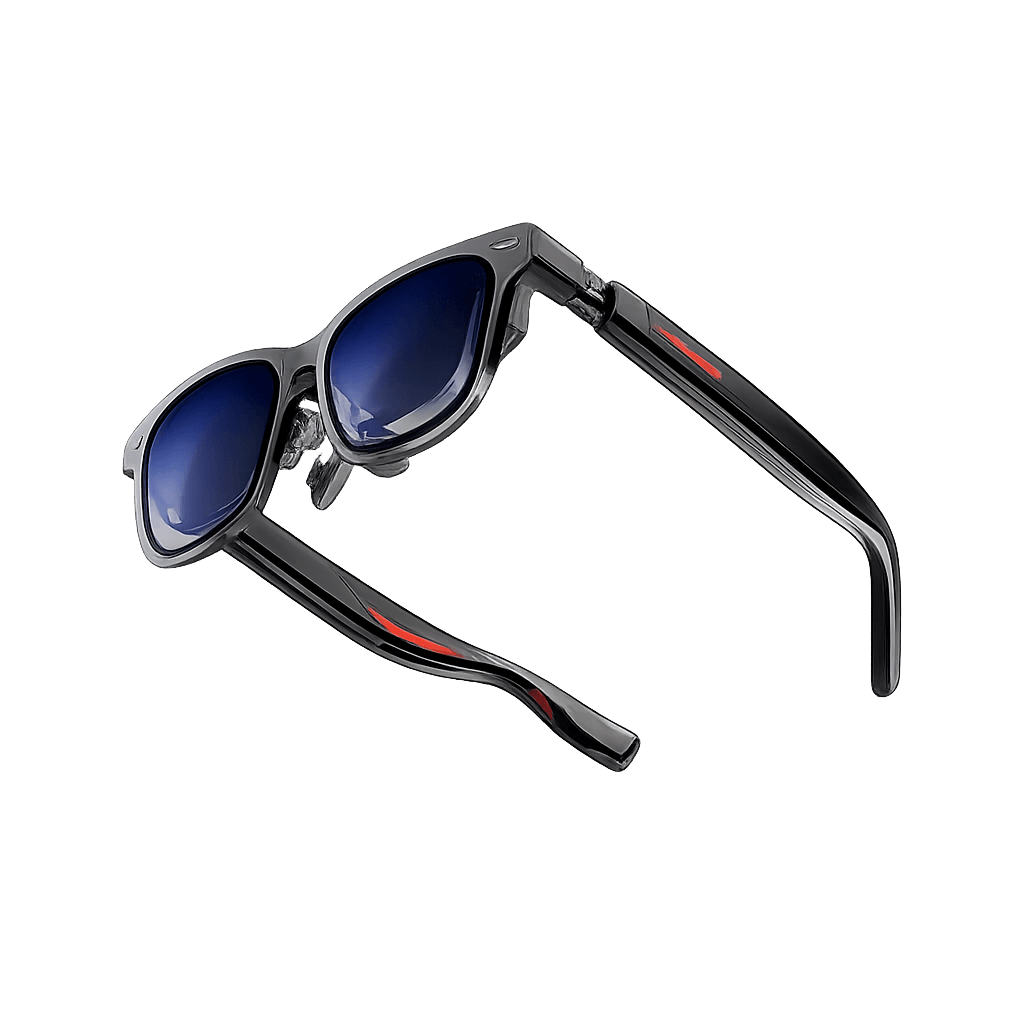
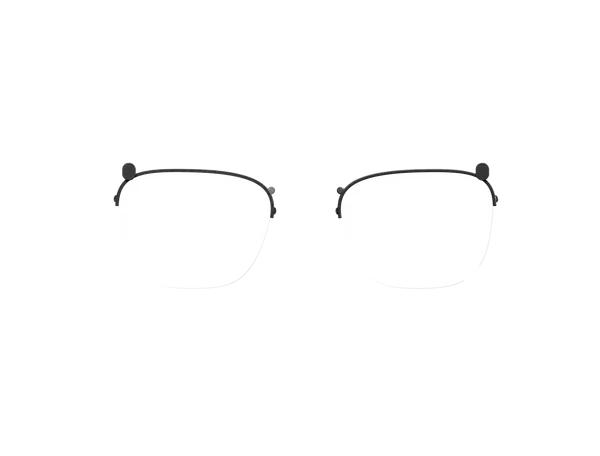
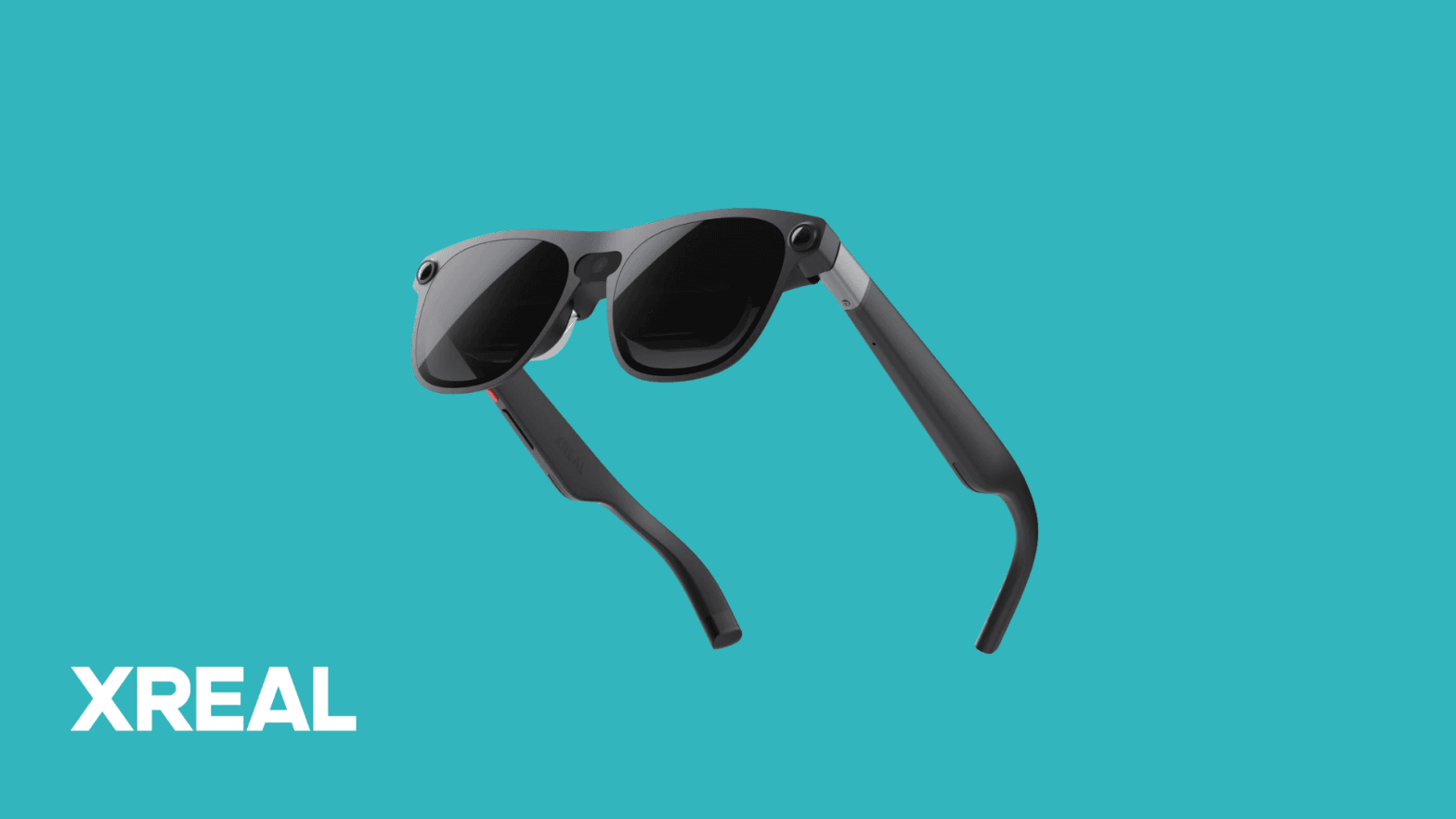
XREAL AURA is a pair of wired optical see-through AR glasses running Android XR.
The system consists of two main components:
- The glasses, which contain the displays, sensors, cameras, audio and XREAL X1S Spatial Coprocessor.
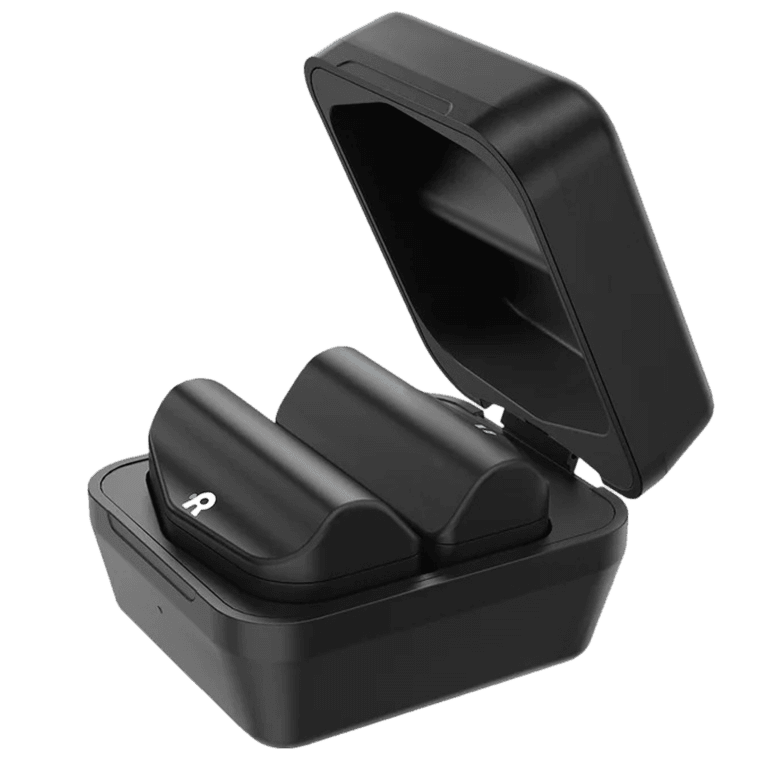
- A portable computing puck containing the main processor, battery, memory, storage and touch controls.
This split-compute architecture allows XREAL to move the most demanding processing and battery components away from the user's face. The approach helps balance processing performance, thermal management and wearability.
XREAL does not position AURA as conventional display glasses. It is intended to support interactive spatial applications, anchored digital windows, hand tracking, Gemini assistance and Android XR software.
XREAL AURA specifications
Specification | XREAL AURA
Product type | Optical see-through spatial computing glasses
Operating system | Android XR
Glasses processor | XREAL X1S Spatial Coprocessor
Computing processor | Snapdragon Reality Elite platform
Display technology | Sony Micro-OLED
Resolution | 1920 × 1200 pixels per eye
Field of view | 70 degrees
Refresh rate | Up to 120 Hz
Tracking | 6DoF spatial tracking
Cameras | Two tracking cameras and one high-resolution camera
Interaction | Hand tracking, voice, touchpad and Bluetooth accessories
AI | Gemini on Android XR
Lens control | Five-level electrochromic dimming
Audio | Bose EQ tuning and Android XR spatial audio
Microphones | Four-microphone array
IPD options | 60 to 66 mm and 66 to 72 mm
Memory | 12 GB or 16 GB
Storage | 256 GB or 512 GB
Battery | 4,455 mAh, 34.84 Wh
Wireless | Wi-Fi 6/6E and Bluetooth 5.3
External connection | USB-C with DisplayPort input
Expected release | Fall 2026
Maximum announced price | US$1,500 before tax
Specifications are based on information published by XREAL before release and may change before the final commercial launch.
Design and form factor
A more portable spatial computer
XREAL AURA uses a glasses-style design rather than an enclosed headset.
The optical see-through lenses allow users to look directly at their physical environment while digital interfaces appear within their field of view. This maintains better awareness of people, objects and surroundings than fully enclosed VR devices.
The user's eyes also remain visible, which can make the device feel more natural during collaboration and shared workplace scenarios.
AURA is still larger than ordinary glasses because it contains:
- Two Micro-OLED displays
- Optical projection components
- World-facing cameras
- Spatial tracking sensors
- Audio hardware
- A dedicated spatial processor
It should therefore be understood as compact XR hardware rather than discreet everyday eyewear.
Separate computing puck
The glasses connect to a portable computing puck by cable.
The puck contains the Snapdragon Reality Elite processor, battery, storage, memory and physical controls. It can be carried in a pocket or attached to the user's clothing, depending on the final accessory options.
Moving these components away from the head can reduce heat and improve weight distribution compared with an entirely self-contained headset.
The trade-off is that users must carry and manage an additional component. For professional use, however, this architecture can provide more performance than would normally be possible inside lightweight glasses alone.
Display and optical experience
70-degree field of view
The 70-degree field of view is one of XREAL AURA's most important specifications.
Many existing AR display glasses provide a smaller fixed screen in front of the user. AURA is designed to provide more space for:
- Multiple application windows
- Spatial interfaces
- Three-dimensional content
- Immersive media
- Visual instructions
- Design and visualization tools
The wider field of view should make virtual content feel less restricted and provide more room for productive spatial layouts.
Dual Sony Micro-OLED displays
XREAL AURA uses Sony Micro-OLED panels with a resolution of 1920 × 1200 pixels per eye and refresh rates of up to 120 Hz.
Micro-OLED technology is well suited to wearable displays because it can offer:
- High pixel density
- Strong contrast
- Fast response times
- Compact physical dimensions
- Smooth movement at higher refresh rates
This should support text-based applications, media, spatial interfaces and interactive XR experiences.
Electrochromic dimming
The glasses include five levels of electrochromic dimming.
Users can adjust how much of the physical environment remains visible depending on the application. A lighter setting supports awareness and collaboration, while darker settings can improve contrast for entertainment or focused work.
This gives AURA more flexibility than glasses with a fixed lens tint.
Android XR and Google Play
XREAL AURA runs Android XR, Google's operating system for extended reality devices.
This is a significant advantage because it connects the product to a broader application ecosystem rather than requiring every experience to be developed for a closed proprietary platform.
XREAL states that users will have access to applications including:
- Google Chrome
- Google Maps
- Google Photos
- YouTube
- Gemini
- Other Google Play applications
- More than 100 applications designed specifically for XR
Existing Android applications may initially appear as conventional windows positioned in space. Applications developed specifically for Android XR can make deeper use of spatial tracking, depth, gestures and three-dimensional interfaces.
For business users, this means AURA could support both familiar productivity software and new XR-specific applications.
Gemini on Android XR
Gemini is integrated directly into Android XR.
With the appropriate user permissions, Gemini can interpret visual, audio and application context. The AI assistant can help users understand what they are viewing, navigate applications and retrieve information through natural voice interaction.
Potential uses include:
- Explaining visible objects
- Summarizing on-screen information
- Opening and managing applications
- Providing contextual guidance
- Supporting visual search
- Translating visible content
- Assisting with learning and research
The combination of cameras, microphones and multimodal AI gives AURA capabilities beyond standard display glasses.
For enterprise deployments, organizations will still need to evaluate privacy, cloud processing, account management and data governance before enabling contextual AI features.
Performance and processing
XREAL AURA uses a dual-chip architecture.
Snapdragon Reality Elite platform
The computing puck uses Qualcomm's Snapdragon Reality Elite platform.
This processor is intended to handle:
- Android XR applications
- Gemini AI functions
- Spatial computing workloads
- Graphics processing
- Connectivity
- Application multitasking
XREAL X1S Spatial Coprocessor
The glasses contain XREAL's X1S Spatial Coprocessor.
This chip supports:
- Low-latency display processing
- Sensor processing
- Spatial stability
- Glasses-based XR interaction
- Synchronization between movement and digital imagery
Separating these workloads allows the main processor to focus on applications while the glasses processor handles latency-sensitive spatial functions.
Tracking and interaction
6DoF tracking
XREAL AURA supports six-degrees-of-freedom tracking.
This allows the system to understand both head rotation and physical movement through space. Digital screens and virtual objects can therefore remain anchored to specific positions as the user moves.
This provides a more complete spatial experience than 3DoF display glasses, where content generally follows the user's head.
Hand tracking
The world-facing cameras support hand tracking.
Users can interact with applications by selecting, moving and resizing digital content using gestures. This removes the need to carry dedicated XR controllers for most basic interactions.
Hand tracking is particularly useful for:
- Navigating menus
- Positioning virtual windows
- Manipulating 3D objects
- Media controls
- Spatial application interaction
Voice and physical input
AURA also supports voice control through Gemini and the four-microphone array.
The computing puck includes a touchpad and fingerprint button, providing a physical input method when gestures are not practical.
Bluetooth accessories such as keyboards, mice and game controllers can also be connected. This expands the device's usefulness for productivity, gaming and specialist applications.
Audio and communication
XREAL AURA includes open-ear speakers with Bose EQ tuning.
The open-ear design allows users to hear digital audio while remaining aware of their environment. This can be valuable in offices, shared workspaces and mobile situations.
Android XR also provides spatial audio, helping sounds appear to come from the position of virtual objects or application windows.
A four-microphone array supports:
- Voice commands
- Gemini interaction
- Calls
- Collaboration
- Audio capture
The combination of spatial audio and voice input supports both entertainment and professional communication.
Battery and connectivity
The computing puck contains a 4,455 mAh battery with a capacity of 34.84 Wh.
XREAL has not yet confirmed the final production runtime. Actual battery life will depend on:
- Screen brightness
- Display refresh rate
- Number of active applications
- AI processing
- Camera use
- Spatial tracking
- Wireless connectivity
The puck supports charging at up to 65 W, which should reduce downtime between sessions.
Connectivity includes:
- Wi-Fi 6
- Wi-Fi 6E
- Bluetooth 5.3
- USB 3.1
- USB Power Delivery 3.0
- Qualcomm Quick Charge 3.0
- DisplayPort Alt Mode
- ADB support
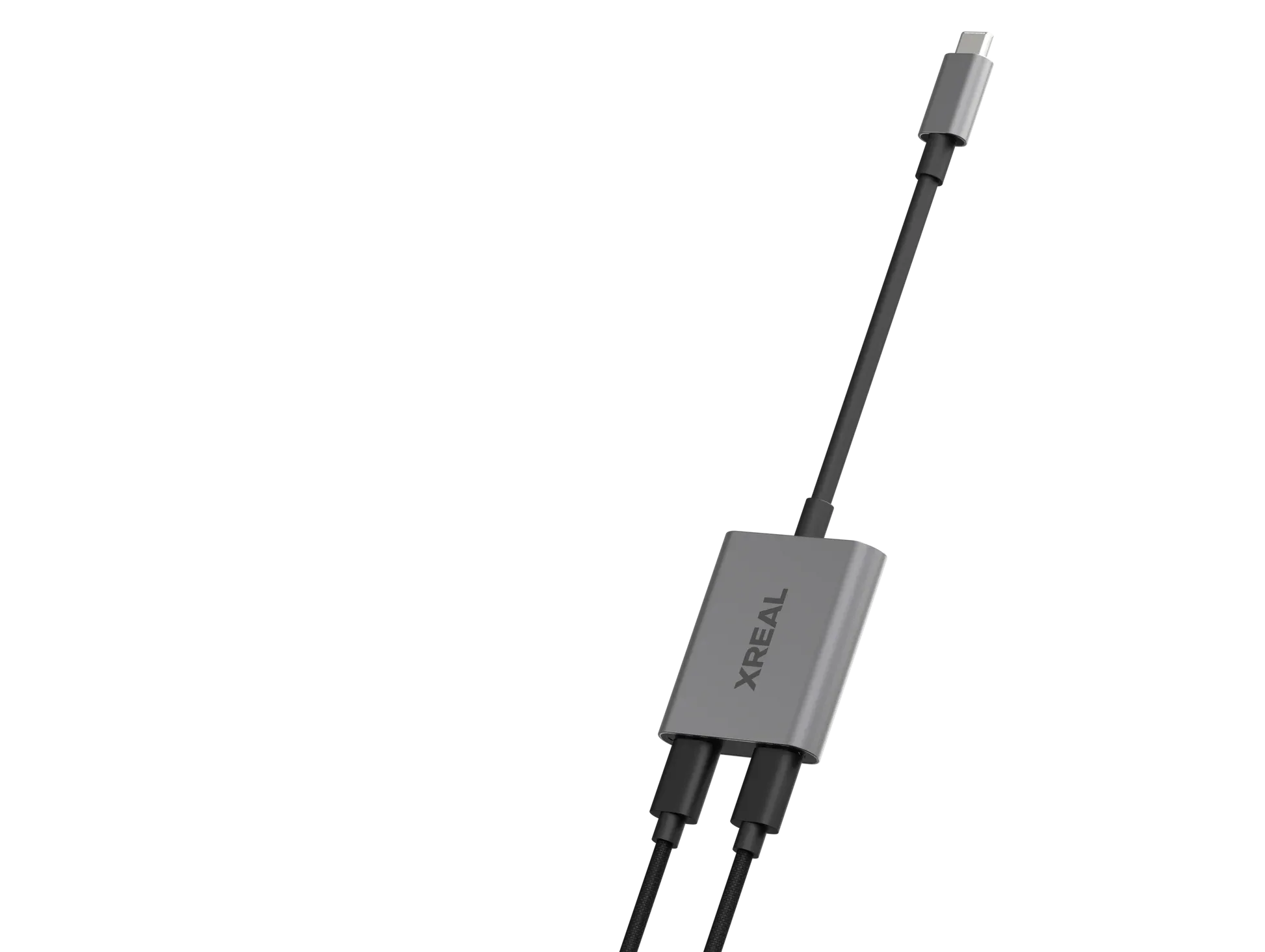
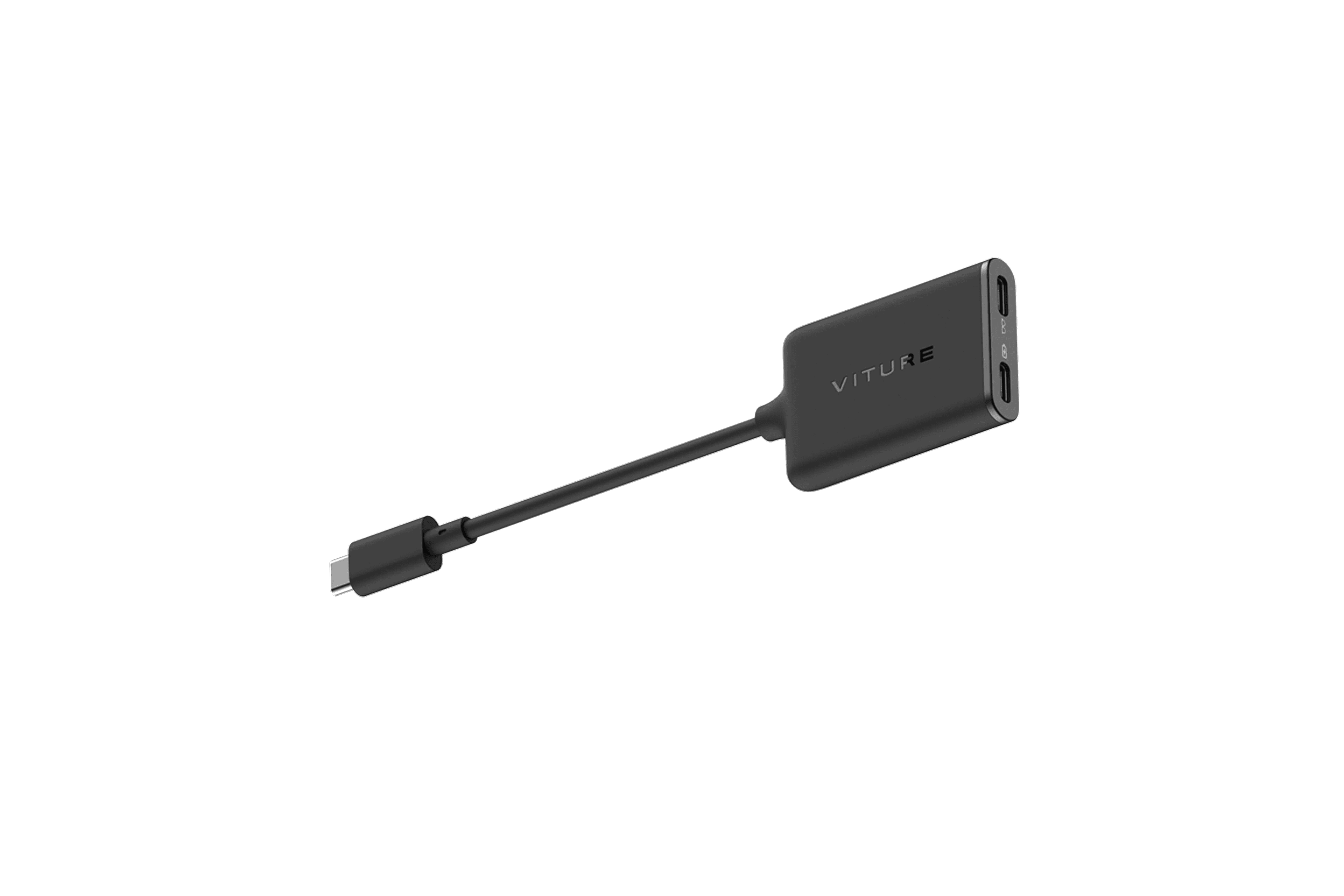
The DisplayPort input also allows AURA to connect to compatible laptops, PCs and handheld gaming devices.
Business applications for XREAL AURA
Portable spatial workspace
XREAL AURA can create a private workspace without requiring physical monitors.
Users could position multiple application windows around them for:
- Reviewing documents
- Joining video calls
- Browsing information
- Managing communications
- Working with several applications simultaneously
This could be useful for traveling employees, remote workers and professionals working in temporary locations.
Design and 3D visualization
The 6DoF tracking and wide field of view make AURA suitable for reviewing spatial content.
Potential applications include:
- Product design
- Architecture
- Digital twins
- Interior planning
- Engineering visualization
- Prototype review
Teams could use the glasses to view digital models in relation to physical environments without using a larger headset.
Training and education
AURA can place instructions, diagrams, applications and three-dimensional content into the user's environment.
Potential use cases include:
- Technical learning
- Equipment familiarization
- Interactive education
- Guided procedures
- Visual demonstrations
- Skills development
The optical see-through design allows users to maintain direct visibility of real equipment and other people.
Remote assistance
The world-facing camera, microphones and spatial display could support remote guidance.
A remote specialist could communicate with the user while instructions, diagrams or reference materials remain visible through the glasses.
The suitability of AURA for remote assistance will depend on software support and enterprise security requirements.
Application development
XREAL AURA is also designed for Android XR developers.
Developers can create or adapt applications for:
- Spatial productivity
- Training
- Entertainment
- AI-assisted workflows
- Navigation
- Collaboration
- Education
- Creative tools
XREAL and Google have also supported an Android XR Developer Catalyst Program intended to encourage development for the platform.
XREAL AURA pros and cons
Pros | Cons
Wide 70-degree field of view provides more usable spatial display area. | Requires a wired computing puck rather than operating as completely standalone glasses.
Android XR provides access to Google Play and a growing XR application ecosystem. | The Android XR ecosystem is still developing.
Gemini enables contextual AI assistance through voice and visual input. | AI and camera features require careful privacy and security management.
Optical see-through lenses maintain direct visibility of the real environment. | Optical displays cannot provide the complete isolation of a VR headset.
Split-compute architecture moves processing heat and battery weight away from the face. | Users must carry, connect and charge an additional component.
6DoF and hand tracking support interactive spatial applications. | Gesture interaction may not replace physical input for every workflow.
DisplayPort input supports laptops, computers and compatible gaming devices. | Final application compatibility must be confirmed after launch.
Multiple memory and storage configurations support different workloads. | Final pricing for each configuration has not been announced.
Electrochromic dimming allows users to adjust immersion. | Final battery runtime has not yet been confirmed.
Who is XREAL AURA for?
XREAL AURA is most relevant for:
- XR and Android developers
- Innovation teams
- Mobile professionals
- Design and engineering departments
- Training and education providers
- Organizations testing spatial computing
- Users seeking a portable private display
- Businesses exploring multimodal AI applications
It may be less suitable for organizations that require certified industrial eyewear, completely wireless hardware or a mature enterprise management ecosystem immediately at launch.
XREAL AURA price and availability
XREAL AURA is expected to launch in fall 2026.
XREAL has stated that the final retail price will be no more than US$1,500 before tax.
The company currently offers a US$99 reservation that provides US$199 in launch credit. Its limited Founder Priority Pass program, which included the earliest delivery position, sold out after all 2,000 passes were reserved.
XREAL has announced support for several markets, including:
- United States
- United Kingdom
- Canada
- Australia
- Japan
- South Korea
- Netherlands
- Belgium
- Germany
- France
- Spain
- Italy
- Poland
- Austria
- Ireland
- Sweden
- Finland
- Additional EU markets
Regional availability and shipping dates may differ.
VR Expert plans to offer XREAL AURA to professional customers. Final configurations, local availability and business purchasing options will be confirmed closer to launch.
Final verdict
XREAL AURA is one of the most complete glasses-style spatial computing systems announced for Android XR.
Its main strength is the combination of a wide optical display, spatial tracking, Gemini AI, Android applications and a portable computing architecture. This gives the device more flexibility than conventional media glasses while maintaining a smaller and more open design than a full mixed reality headset.
The split-compute puck introduces an additional component, but it also allows XREAL to deliver more processing performance without placing the entire battery and processor on the user's head.
For developers, mobile professionals and organizations exploring spatial computing, XREAL AURA provides an interesting new platform. Its long-term value will depend on Android XR application development, enterprise management support and the performance of the final production hardware.
Final verdict: XREAL AURA
XREAL AURA brings together several technologies that have previously been spread across different categories of XR hardware.
It offers:
- A wider spatial display than conventional media glasses
- Optical see-through visibility instead of camera passthrough
- Native Android XR support
- Gemini AI integrated into the operating system
- 6DoF tracking and hand interaction
- A portable computing puck for performance and battery management
- DisplayPort connectivity for computers and compatible devices
The result is a product that sits between lightweight AR display glasses and a full mixed reality headset.
For professional users, the strongest use cases are likely to include portable productivity, application development, spatial visualization, media, training and AI-assisted workflows.